A topic goes in. A themed deck and a graded report come out.
Local-first presentation and report generation for academic work.
| Mixed-mode HPC | First impressions | Perovskite solar cells |
|:---:|:---:|:---:|
| [](published/mixed-mode-programming-presentation.pdf) | [](published/first-impressions-presentation.pdf) | [](published/perovskite-solar-cells-presentation.pdf) |
| Sci-Fi HUD · 21 slides | Letterpress · 20 slides | Academic · 14 slides |
| [PDF](published/mixed-mode-programming-presentation.pdf) · [PPTX](published/mixed-mode-programming-presentation.pptx) · [report](published/mixed-mode-programming-report.docx) · [script](published/mixed-mode-programming-script.md) | [PDF](published/first-impressions-presentation.pdf) · [PPTX](published/first-impressions-presentation.pptx) · [report](published/first-impressions-report.docx) · [script](published/first-impressions-script.md) | [PDF](published/perovskite-solar-cells-presentation.pdf) · [PPTX](published/perovskite-solar-cells-presentation.pptx) · [report](published/perovskite-solar-cells-report.docx) · [script](published/perovskite-solar-cells-script.md) |
These are complete outputs from the current pipeline. Open a PDF in GitHub, or
download the editable presentation, companion report and speaker script.
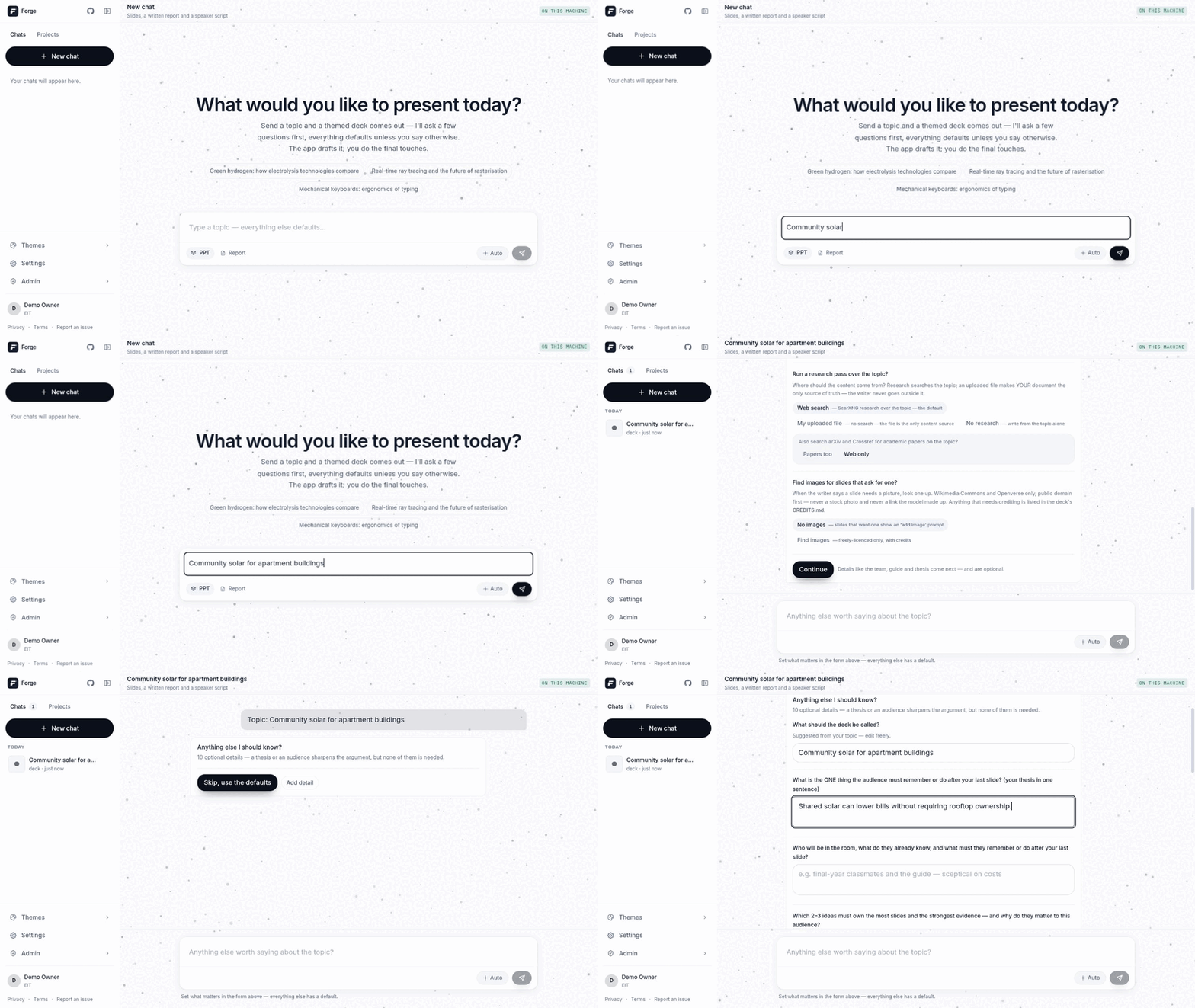
| A real briefing session — topic → choices → optional thesis |
|:---:|
| |
Captured from a fresh private Docker install. The session enters a real topic,
chooses presentation settings, and opens the actual optional-detail questions.
It stops before generation because no model was available; it does **not**
pretend a deck was produced. [Download the MP4](app/gallery/landing/briefing-workflow.mp4).
| A real local app session — project workspace → slide viewer |
|:---:|
| |
Captured from the local Docker bundle using the public Green Hydrogen deck in
this repository. It shows opening and inspecting existing work, **not a
fabricated live-generation run**. [Download the MP4](app/gallery/landing/app-workflow.mp4).
## Run it locally
Install [Docker](https://docs.docker.com/get-docker/), then:
```bash
git clone https://github.com/Deepnar/presentation-forge.git
cd presentation-forge
docker compose up -d --build --wait
```
Open . The first visit creates one local owner and signs
you in; after that, public signup is closed. There is no email verification,
Google login or password-reset ceremony in this private-machine mode.
Forge and its private SearXNG research service now run. To generate, choose one
of two model paths:
- **Bring your own key:** open your account menu and add an OpenAI-compatible
provider key under **Profile → Cloud**. Only model requests go to that provider. Forge starts
with a 180,000-token rolling 24-hour safety budget, caps each BYOK response
at 12,000 tokens, and allows at most one transport retry; the key owner can
change the daily guard in Profile. Your provider bills your account directly,
so also set a hard spending limit in its dashboard.
- **Keep inference local:** install [Ollama](https://ollama.com), run
`ollama pull qwen3:4b`, and leave Forge on Auto. This is a lightweight
starting model; use a stronger model or BYOK when output quality matters.
### Model compatibility
Forge can connect to many Ollama and OpenAI-compatible models, but transport
compatibility does not guarantee good presentation writing. A useful author
model must reliably follow the deck schema, return complete structured content,
stay grounded in the supplied research and revise fields without dropping them.
Smaller or aggressively optimized models may produce valid files with repetitive,
sparse or malformed slides.
Always inspect the rasterized preview before presenting or publishing a deck.
In repository testing, `muse-spark-1.3-contributor` completed the API workflow
but produced inconsistent deck quality, so it is supported as a transport target
and is not used as the public quality baseline. The hosted Auto route remains the
product baseline; local and BYOK results depend on the model selected.
```bash
# Optional install check; Node runs inside the container.
docker compose exec forge env FORGE_CHECK_URL=http://localhost:5174 node tools/local-check.mjs
```
Windows and macOS work through Docker Desktop. Linux may need Ollama exposed to
Docker's host gateway when using local inference. [`LOCAL_SETUP.md`](LOCAL_SETUP.md)
has that command, platform notes, data locations and troubleshooting. This
private bundle binds only to localhost; use [`docs/DEPLOY.md`](docs/DEPLOY.md)
for an internet-facing multi-user service.
---
## The rule that makes it work
**The model never writes layout.** Asking a language model for coordinates and
font sizes fails the moment content changes length. So it cannot express them:
| Layer | Owns | Written by |
|---|---|---|
| **chrome** | crest, banner, presenter line, slide number | locked code in `src/chrome.js` |
| **theme** | palette, type, spacing, shape | human-authored `themes/*.yaml` |
| **content** | what the slides say | the model, as schema-validated YAML |
The model picks a semantic slide *type* and writes its content. It cannot supply
a coordinate, a hex value, or a font name — those keys do not exist in the
schema it is decoding against.
Which is what makes this possible. **The same slide, same words, four themes:**
| One slide, four themes — 6-second loop |
|:---:|
| |
This is a real render loop, not a product simulation. Nothing in the content
changes between frames; switching theme is one field in `deck.yaml`, and 34 of
them ship. [Download the MP4](app/gallery/landing/theme-system.mp4).
## The pipeline
```text
brief → research → outline → HUMAN GATE → content → validate → render → preview → critique
notes.md plan.yaml deck.yaml .pptx PNGs
.docx
```
The gate is deliberate: nothing renders until a person has read the outline and
approved it. Everything after it is deterministic or checked.
- **Research** from SearXNG, arXiv, Crossref, or your own uploaded documents.
Claims are checked back against the saved notes before a deck is finalised.
- **Per-slide retrieval.** Each slide is shown the research *that slide* needs
rather than the whole corpus — which is both cheaper and better writing.
- **Rendered, then read back.** A written `.pptx` proves only that the file
parsed. Slides are rasterised and the text read off the image, because
`pres.writeFile()` succeeds happily for text running off the canvas.
- **A vision critic** looks at the rendered PNGs and fixes what it sees.
---
## The vocabulary
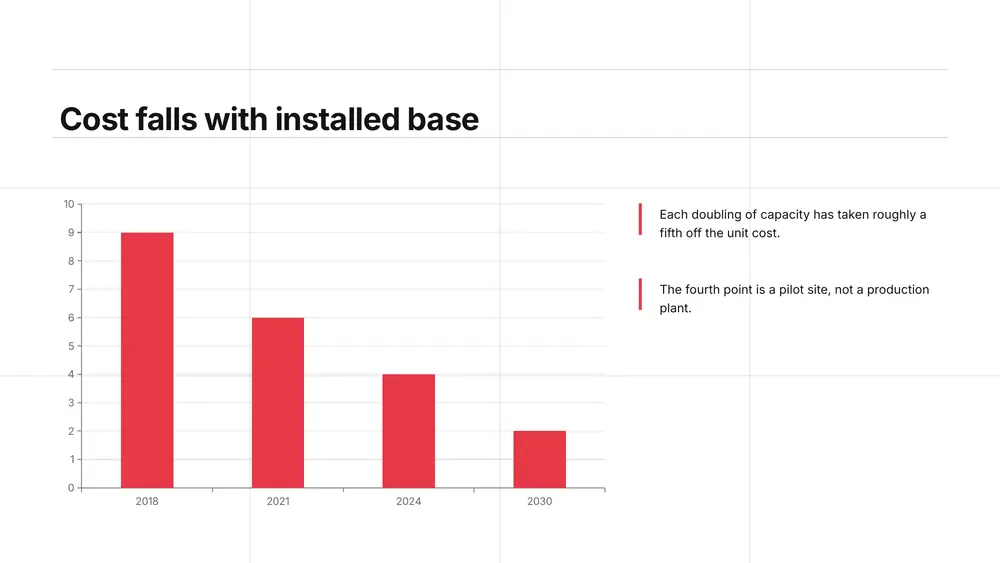
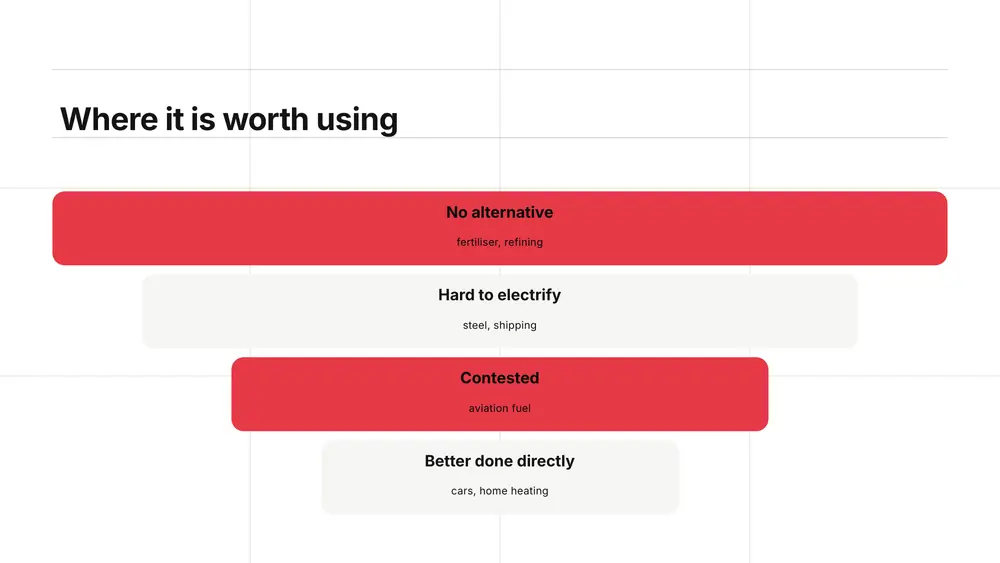
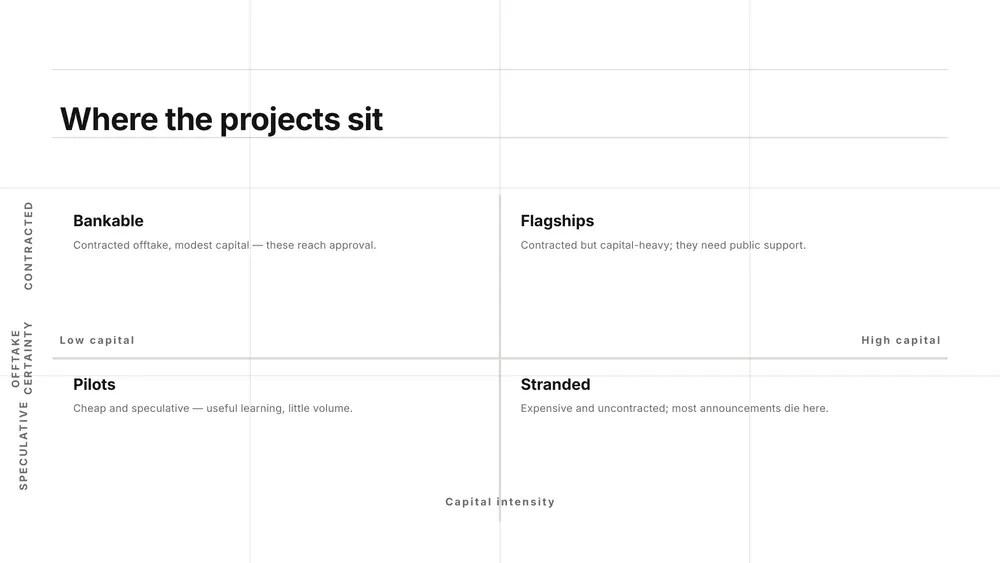
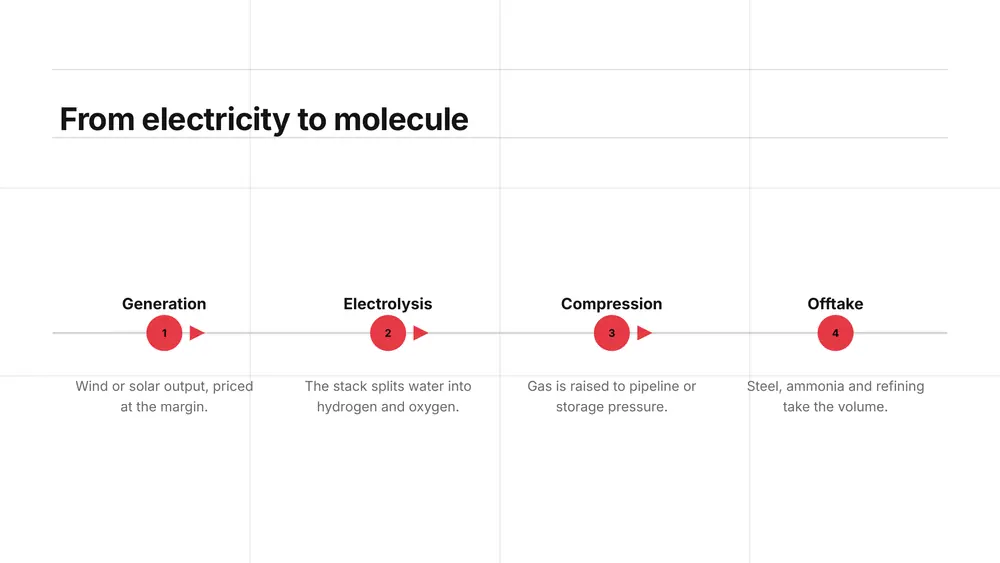
74 slide types: 73 native layouts plus the deliberate `freeform` exception.
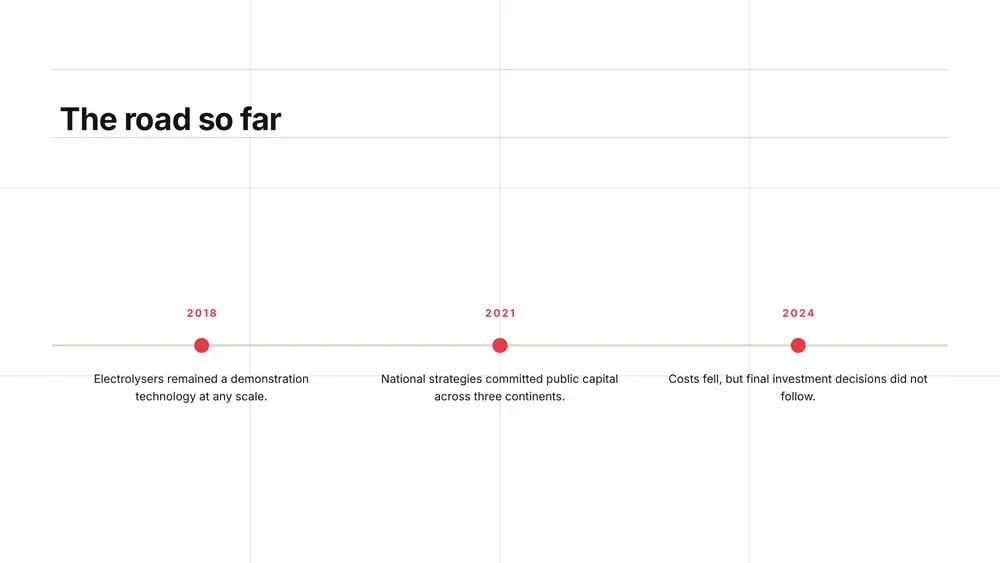
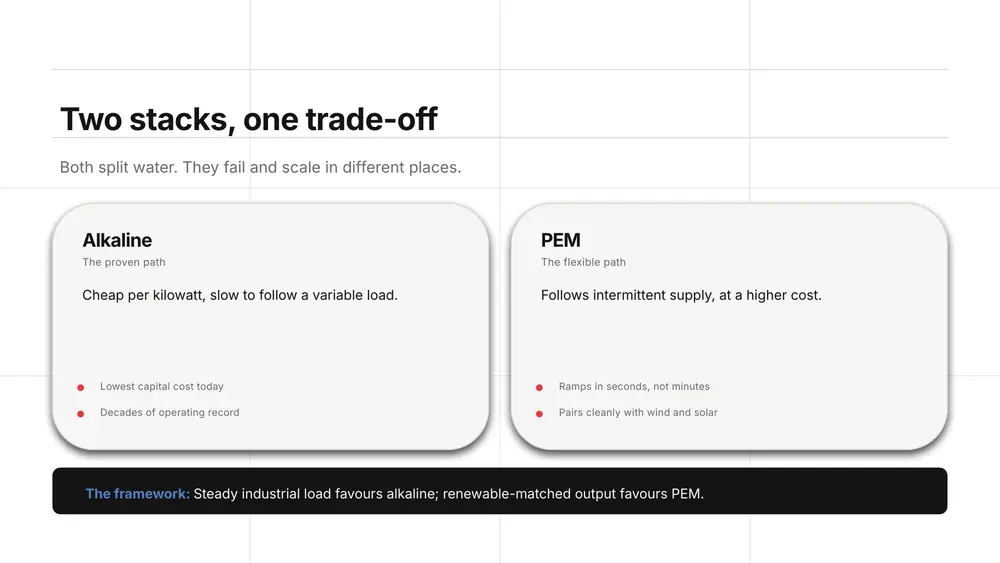
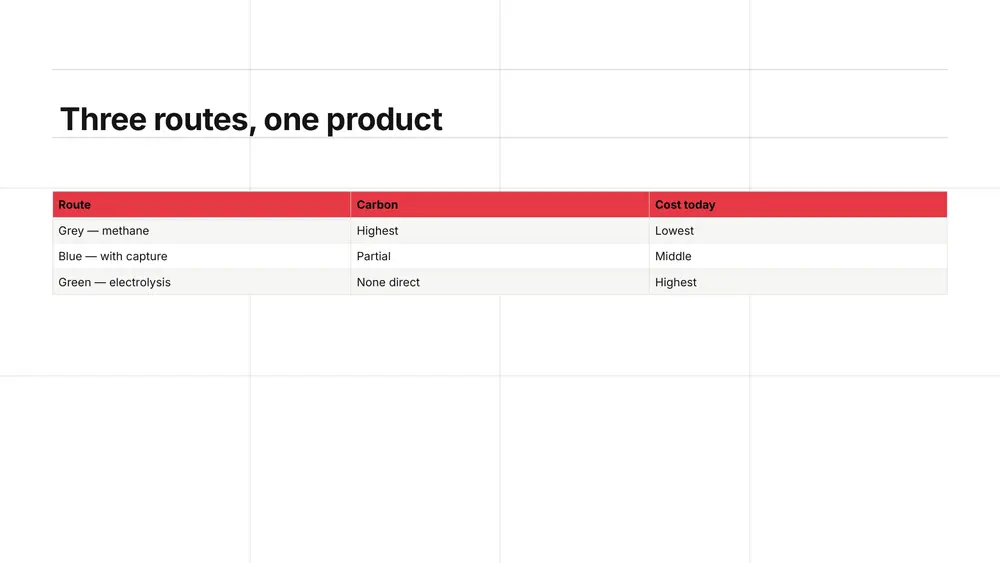
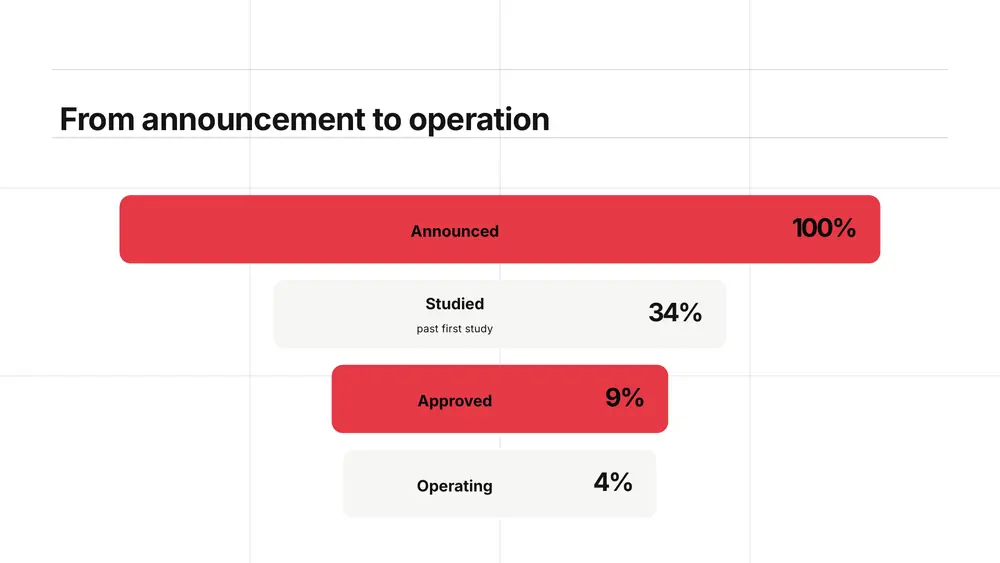
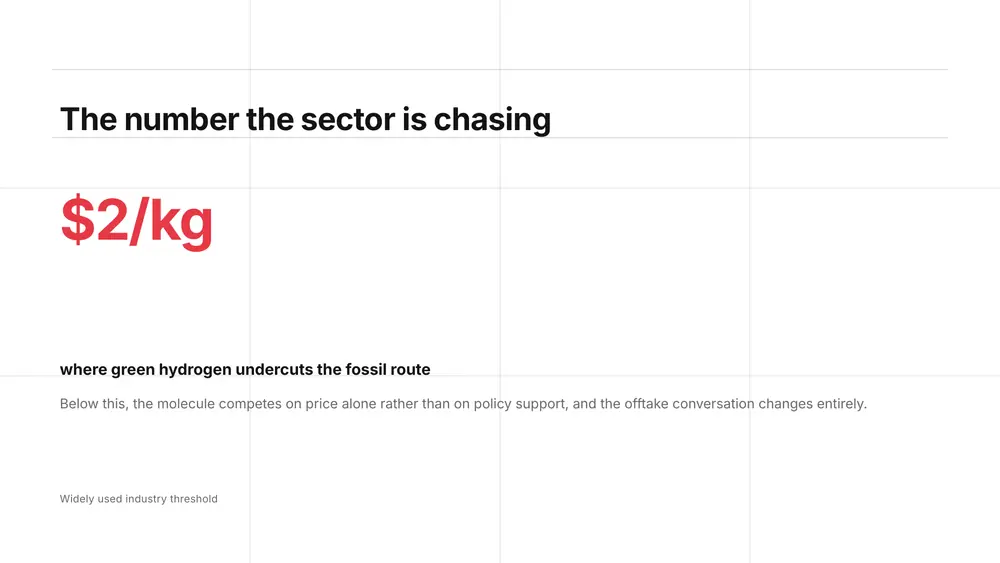
The model chooses among them by what the content *is* — a comparison becomes a
comparison layout, not a bulleted list about comparing.
| `timeline` | `compare` | `chart` |
|:---:|:---:|:---:|
| | | |
| **`pyramid`** | **`matrix`** | **`flow`** |
| | | |
| **`table`** | **`funnel`** | **`big-number`** |
| | | |
**Text stays editable.** `freeform` is the one type rasterised whole — it is the
deliberate exception, where the model writes the slide as HTML. A *plate* theme
is not the same thing: Chrome renders only the decorative background to a PNG,
and every word on top of it is still native PowerPoint text you can select and
retype.
---
## Real output
The three complete examples at the top of this page are committed so they can
be inspected without running the application:
| Presentation | Size | Files |
|---|---|---|
| **Mixed-Mode Programming for HPC** | 21 slides + report + script | [PDF](./published/mixed-mode-programming-presentation.pdf) · [PPTX](./published/mixed-mode-programming-presentation.pptx) · [DOCX](./published/mixed-mode-programming-report.docx) · [script](./published/mixed-mode-programming-script.md) |
| **First Impressions and Networking** | 20 slides + report + script | [PDF](./published/first-impressions-presentation.pdf) · [PPTX](./published/first-impressions-presentation.pptx) · [DOCX](./published/first-impressions-report.docx) · [script](./published/first-impressions-script.md) |
| **Perovskite Solar Cells** | 14 slides + report + script | [PDF](./published/perovskite-solar-cells-presentation.pdf) · [PPTX](./published/perovskite-solar-cells-presentation.pptx) · [DOCX](./published/perovskite-solar-cells-report.docx) · [script](./published/perovskite-solar-cells-script.md) |
Browse [`published/`](./published/). Private decks live in `decks//` and
are gitignored.
---
## Reports are the other half
The deck is free and themed; the report is rigid and **graded against an
institutional template**. Your department's `.docx` is the donor: the renderer
strips only its body and keeps everything else byte-identical — the watermark
in the header, the footer's page field, the styles, the media.
The section list is read from the donor itself, so a different college's
template is an upload, not a code change. Table-of-contents page numbers are
real: the render is two-pass, converting once to find where each heading lands.
---
## Run from source *(contributors)*
Use this only when developing Forge itself rather than using it. It exposes the
Vite UI on :5173 and API on :5174, and expects the renderer prerequisites on
your host:
```bash
npm install
npm run fonts
npm run brand
cp config/identity.example.yaml config/identity.yaml
ollama pull qwen3:4b
npm run dev
```
[`LOCAL_SETUP.md`](LOCAL_SETUP.md) covers the source path, platform-specific
prerequisites and troubleshooting. [`docs/DEPLOY.md`](docs/DEPLOY.md) is the
separate hardened production route — hosted mode, Caddy/TLS, mail, persistent
secrets, administrator controls and tenant limits.
---
## Everyday commands
```bash
npm run dev # API :5174 + UI :5173
npm test # automated test suite
npm run render decks//deck.yaml # content -> .pptx
npm run preview decks//out/deck.pptx # .pptx -> PNGs
npm run themematrix # every theme x every type, fit verdicts
npm run textcheck # did every word survive onto the page
npm run drawcheck # did every field reach the page at all
npm run deckscore # a deck, scored /100
npm run deckscore -- --history # what previous runs scored
npm run forge -- new "" --research # headless: outline
npm run forge -- generate --critic # headless: deck
```
The CLI is not a wrapper around the app — both call the same `src/`. The API
layer holds no presentation logic, because the pipeline has to run headless.
---
## Verification that proves something
A written `.pptx` proves the file parsed and nothing else. `pres.writeFile()`
succeeds for decks with text off the canvas and invisible-on-invisible colour
pairs. So the checks ask four different questions, and each was added because
the ones before it were clean on a defect that shipped:
1. **Is the box on the slide?** A geometry watcher runs inside every render.
2. **Was the field drawn at all?** `drawcheck` writes a marker into each field
and reads back what the layout emitted.
3. **Does the text fit?** `themematrix` across 34 themes × 74 types.
4. **Did it survive the render?** `textcheck` rasterises and reads it back.
None of them replaces looking at the image.
---
## Project map
```text
app/server/ Express transport over the shared core — no logic of its own
app/web/ Vite + React browser application
src/ renderer, pipeline, research, validation, previews, metering
themes/ 34 design languages
styles/ reusable token overrides layered over a theme
schema/ the content contracts for decks and reports
templates/ starting content templates
config/ models, identity, accounts, keys
brand/ institutional marks, per operator and per account
app/gallery/ committed theme specimens — the images above
decks// a portable workspace: content, plan, research, output
docker/ image, Compose stack, TLS, SearXNG
docs/ architecture, blockers, economics, roadmap, traps
```
## Data and privacy
No external database service is required. A deck workspace is ordinary files
and copies to another installation.
| Data | Location | Committed? |
|---|---|---|
| Deck content, outline, research, output | `decks//` | definitions yes, output no |
| Institution identity | `config/identity.yaml`, `config/identities/` | no |
| Accounts, sessions, keys, usage | `config/forge.db` | no — keys encrypted under `FORGE_KEY_PEPPER` |
| Provider keys (install-wide) | `config/local.yaml` | no |
| Brand assets | `brand/` | no — they may carry protected marks |
With Ollama, model calls never leave the machine. Research providers and an
explicitly chosen hosted provider involve network requests; the deck, the
research and the account data stay local.
**Retention.** Nothing is deleted unless `FORGE_SWEEP_DAYS` is set, and then the
clock is *inactivity*, not age. `GET /api/policy` reports what the running
install actually enforces, so the notice in the app cannot drift from the
scheduler behind it.
## Hosted deployment
The internet-facing stack is intentionally separate: TLS, SMTP, secure cookies,
operator secrets, tenant limits and retention. It still uses the same image and
builds for amd64 and arm64. See [`docs/DEPLOY.md`](docs/DEPLOY.md); the root
Compose file is private local software and must not be exposed as a public
service.
## Further reading
| Doc | Answers |
|---|---|
| [ARCHITECTURE](docs/ARCHITECTURE.md) | how it is built, as built |
| [ROADMAP](docs/ROADMAP.md) | **all** work — done, planned, and why |
| [BLOCKED](docs/BLOCKED.md) | what cannot be worked on, and who can unblock it |
| [ECONOMICS](docs/ECONOMICS.md) | what a deck costs to produce and what it can be sold for |
| [PRODUCTION](docs/PRODUCTION.md) | what stands between here and real users |
| [TRAPS](docs/TRAPS.md) | failure modes that have already bitten |
| [LOCAL_SETUP](LOCAL_SETUP.md) | prerequisites and troubleshooting |
## Star history
## Community
Questions and early ideas belong in
[GitHub Discussions](https://github.com/Deepnar/presentation-forge/discussions).
Reproducible defects and scoped feature requests use the repository issue
templates. Before contributing, read [CONTRIBUTING.md](CONTRIBUTING.md) and the
[Code of Conduct](CODE_OF_CONDUCT.md). Report vulnerabilities privately through
the process in [SECURITY.md](SECURITY.md); never put keys or private deck content
in a public issue.
## License
[MIT](LICENSE). Institutional marks, donor templates and assets you add remain
yours and may carry their own restrictions.



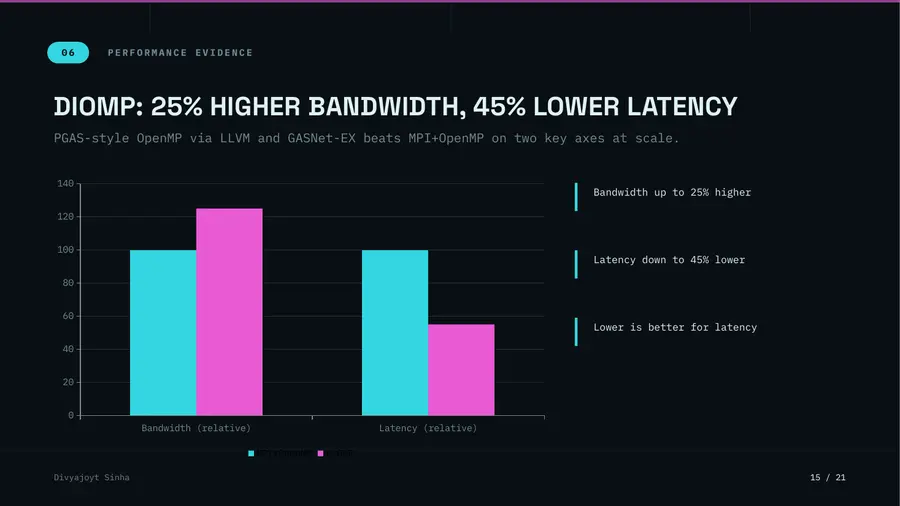 ](published/mixed-mode-programming-presentation.pdf) | [
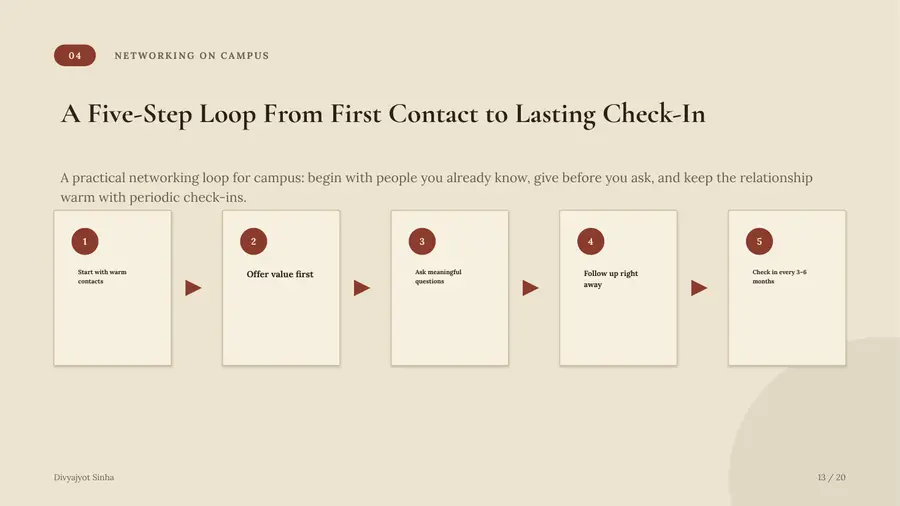 ](published/first-impressions-presentation.pdf) | [
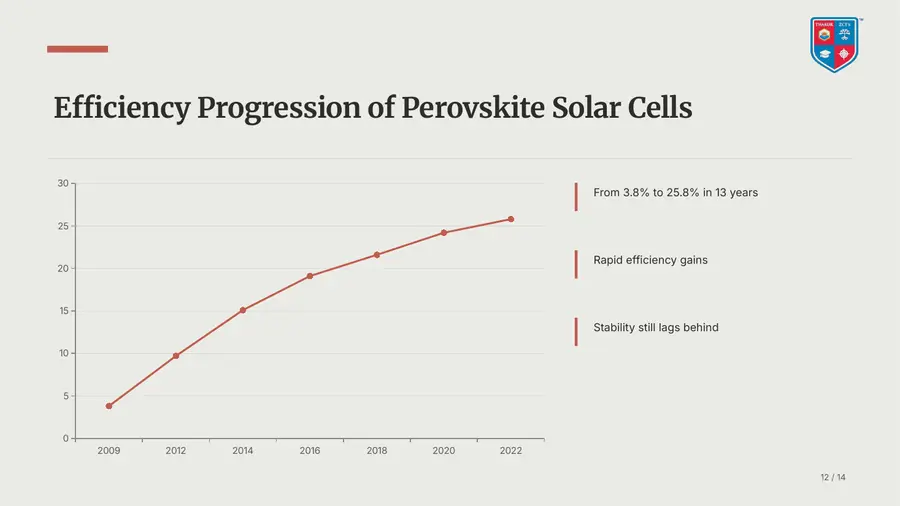 ](published/perovskite-solar-cells-presentation.pdf) |
| Sci-Fi HUD · 21 slides | Letterpress · 20 slides | Academic · 14 slides |
| [PDF](published/mixed-mode-programming-presentation.pdf) · [PPTX](published/mixed-mode-programming-presentation.pptx) · [report](published/mixed-mode-programming-report.docx) · [script](published/mixed-mode-programming-script.md) | [PDF](published/first-impressions-presentation.pdf) · [PPTX](published/first-impressions-presentation.pptx) · [report](published/first-impressions-report.docx) · [script](published/first-impressions-script.md) | [PDF](published/perovskite-solar-cells-presentation.pdf) · [PPTX](published/perovskite-solar-cells-presentation.pptx) · [report](published/perovskite-solar-cells-report.docx) · [script](published/perovskite-solar-cells-script.md) |
These are complete outputs from the current pipeline. Open a PDF in GitHub, or
download the editable presentation, companion report and speaker script.
| A real briefing session — topic → choices → optional thesis |
|:---:|
|
 |
Captured from a fresh private Docker install. The session enters a real topic,
chooses presentation settings, and opens the actual optional-detail questions.
It stops before generation because no model was available; it does **not**
pretend a deck was produced. [Download the MP4](app/gallery/landing/briefing-workflow.mp4).
| A real local app session — project workspace → slide viewer |
|:---:|
|
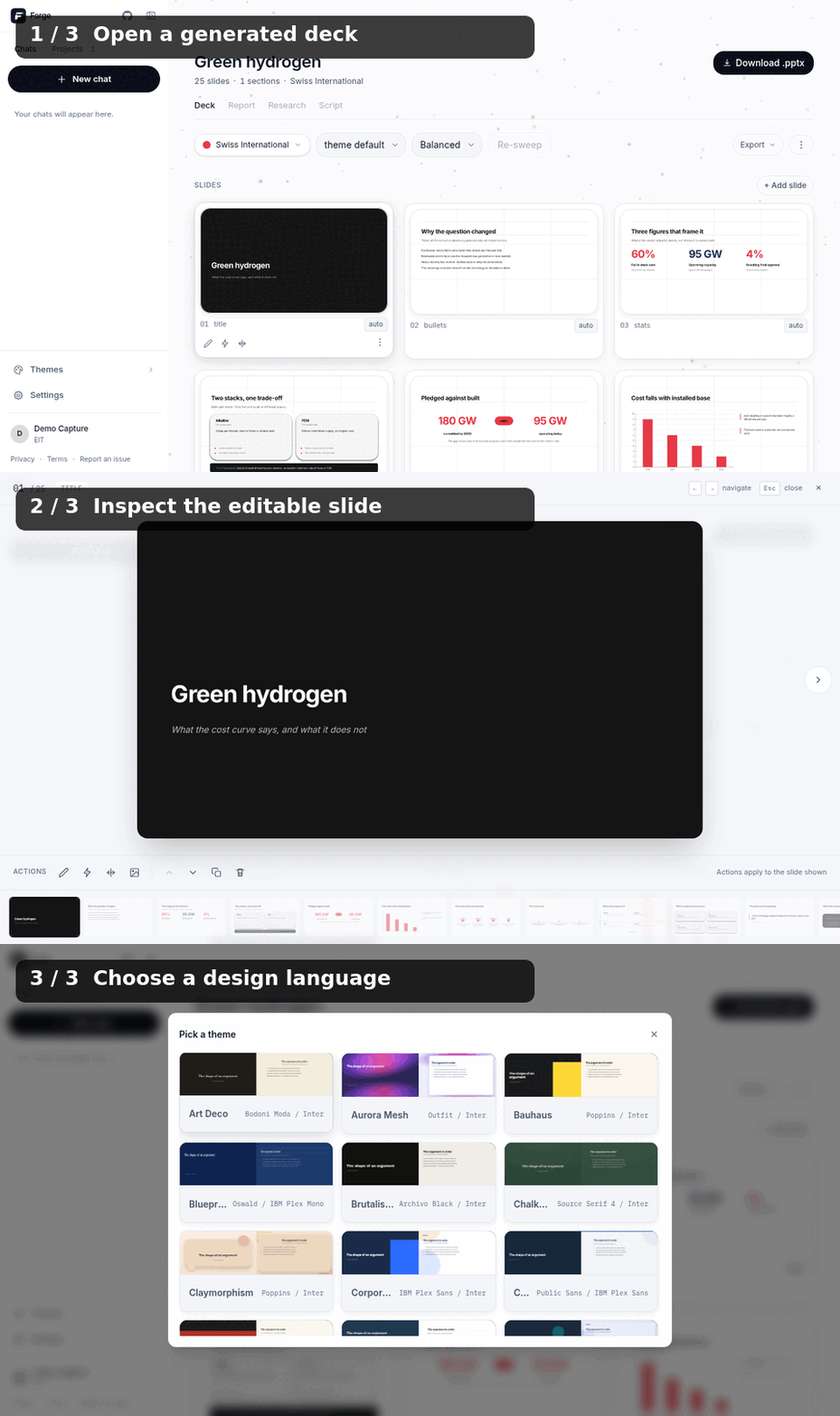 |
Captured from the local Docker bundle using the public Green Hydrogen deck in
this repository. It shows opening and inspecting existing work, **not a
fabricated live-generation run**. [Download the MP4](app/gallery/landing/app-workflow.mp4).
## Run it locally
Install [Docker](https://docs.docker.com/get-docker/), then:
```bash
git clone https://github.com/Deepnar/presentation-forge.git
cd presentation-forge
docker compose up -d --build --wait
```
Open
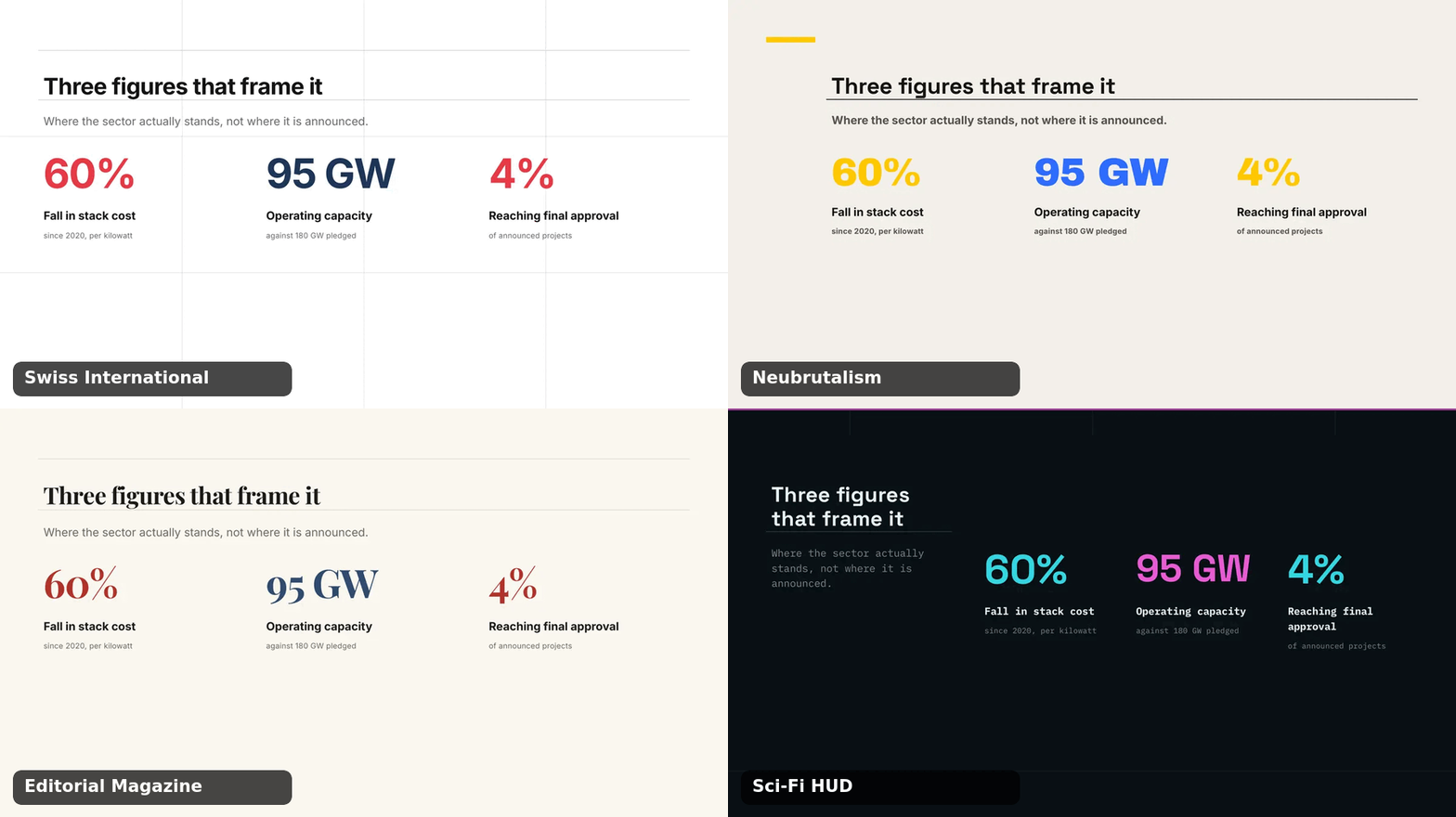 |
This is a real render loop, not a product simulation. Nothing in the content
changes between frames; switching theme is one field in `deck.yaml`, and 34 of
them ship. [Download the MP4](app/gallery/landing/theme-system.mp4).
## The pipeline
```text
brief → research → outline → HUMAN GATE → content → validate → render → preview → critique
notes.md plan.yaml deck.yaml .pptx PNGs
.docx
```
The gate is deliberate: nothing renders until a person has read the outline and
approved it. Everything after it is deterministic or checked.
- **Research** from SearXNG, arXiv, Crossref, or your own uploaded documents.
Claims are checked back against the saved notes before a deck is finalised.
- **Per-slide retrieval.** Each slide is shown the research *that slide* needs
rather than the whole corpus — which is both cheaper and better writing.
- **Rendered, then read back.** A written `.pptx` proves only that the file
parsed. Slides are rasterised and the text read off the image, because
`pres.writeFile()` succeeds happily for text running off the canvas.
- **A vision critic** looks at the rendered PNGs and fixes what it sees.
---
## The vocabulary
74 slide types: 73 native layouts plus the deliberate `freeform` exception.
The model chooses among them by what the content *is* — a comparison becomes a
comparison layout, not a bulleted list about comparing.
| `timeline` | `compare` | `chart` |
|:---:|:---:|:---:|
|
 |
 |
 |
| **`pyramid`** | **`matrix`** | **`flow`** |
|
 |
 |
 |
| **`table`** | **`funnel`** | **`big-number`** |
|
 |
 |
 |
**Text stays editable.** `freeform` is the one type rasterised whole — it is the
deliberate exception, where the model writes the slide as HTML. A *plate* theme
is not the same thing: Chrome renders only the decorative background to a PNG,
and every word on top of it is still native PowerPoint text you can select and
retype.
---
## Real output
The three complete examples at the top of this page are committed so they can
be inspected without running the application:
| Presentation | Size | Files |
|---|---|---|
| **Mixed-Mode Programming for HPC** | 21 slides + report + script | [PDF](./published/mixed-mode-programming-presentation.pdf) · [PPTX](./published/mixed-mode-programming-presentation.pptx) · [DOCX](./published/mixed-mode-programming-report.docx) · [script](./published/mixed-mode-programming-script.md) |
| **First Impressions and Networking** | 20 slides + report + script | [PDF](./published/first-impressions-presentation.pdf) · [PPTX](./published/first-impressions-presentation.pptx) · [DOCX](./published/first-impressions-report.docx) · [script](./published/first-impressions-script.md) |
| **Perovskite Solar Cells** | 14 slides + report + script | [PDF](./published/perovskite-solar-cells-presentation.pdf) · [PPTX](./published/perovskite-solar-cells-presentation.pptx) · [DOCX](./published/perovskite-solar-cells-report.docx) · [script](./published/perovskite-solar-cells-script.md) |
Browse [`published/`](./published/). Private decks live in `decks/