# 6. What Did Not Work — Failed Approaches and Engineering Lessons
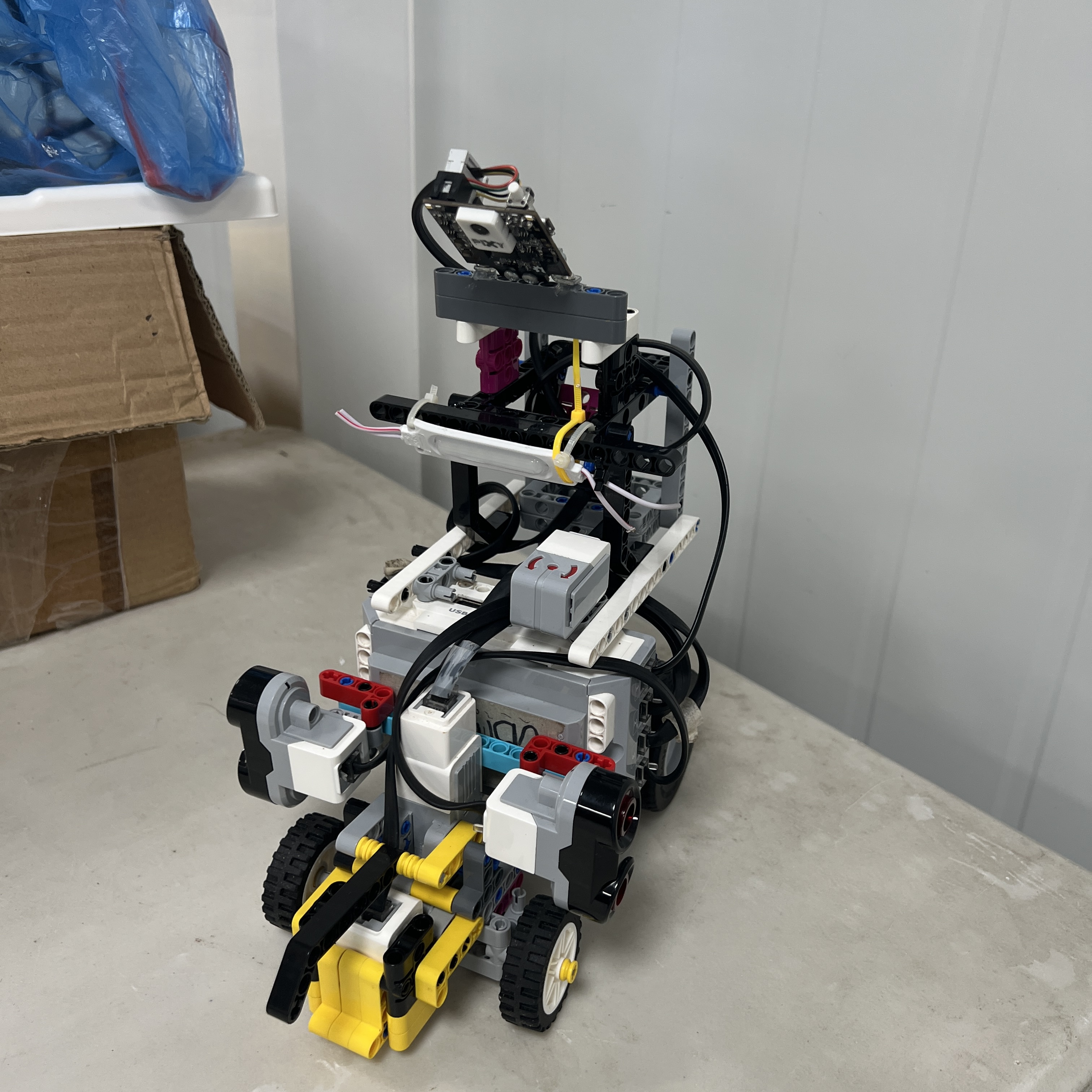 Figure 6.1. Piolín's current architecture was reached through multiple prototypes, rejected approaches, partial successes, and redesigns.
Piolín was not developed through a straight sequence in which every new idea immediately improved the robot.
Several approaches:
```text
worked only in controlled situations
introduced new problems
became too difficult to maintain
were replaced by simpler architectures
or revealed that the original problem had been diagnosed incorrectly
```
These unsuccessful or superseded approaches are important engineering evidence.
A failed test can reveal:
```text
which assumption was wrong
which subsystem actually caused the problem
which information the robot was missing
which architecture was unnecessarily complex
```
For this reason, PiolínTech does not erase unsuccessful development from the engineering record.
The project distinguishes between:
```text
FAILED APPROACH
→ did not provide the required behavior
PARTIAL APPROACH
→ demonstrated a useful idea but had important limitations
LEGACY APPROACH
→ previously useful but replaced by the current architecture
```
The objective of documenting these cases is not to present failure as success.
It is to show how each problem contributed to the current Piolín design.
---
## 6.1 Earlier Vision Architecture: HuskyLens + Arduino Nano
One of the largest architecture changes occurred in obstacle perception.
An earlier configuration used:
```text
HuskyLens
↓
Arduino Nano
↓
EV3
```
The architecture was useful because it allowed PiolínTech to experiment with:
```text
colored-object detection
external vision sensors
communication between processors
Red / Green obstacle logic
```
However, it introduced several layers that all had to work correctly.
The complete chain was effectively:
```text
CAMERA DETECTION
↓
HUSKYLENS OUTPUT
↓
ARDUINO PROCESSING
↓
COMMUNICATION LINK
↓
EV3 PARSING
↓
NAVIGATION
```
This increased the number of locations where a perception failure could originate.
A problem visible at the vehicle level could come from:
```text
camera classification
camera field of view
Arduino code
communication
EV3 interpretation
steering logic
```
The additional hardware also complicated reproducibility.
### Engineering lesson
More components do not automatically produce a more capable system.
Each additional device introduces:
```text
another electrical interface
another software layer
another communication protocol
another possible failure point
```
### Current decision
The active Obstacle Challenge architecture now uses:
```text
Pixy2.1
→ EV3 S1
```
directly.
The HuskyLens + Nano system remains valuable as **legacy engineering history**, but it is no longer part of the current competition architecture.
---
## 6.2 Trying to Keep Too Many Sensors Active
During development, several configurations attempted to obtain more information by combining or exchanging:
```text
camera
gyro
lateral ultrasonics
front ultrasonic
Color Sensor
```
The idea was understandable:
```text
more sensors
→ more information
→ better navigation
```
but in practice, additional sensors also required:
```text
available ports
mounting space
software drivers
data fusion
clear controller responsibility
```
This became particularly important around S1.
Piolín eventually needed two different types of information:
```text
OPEN
→ heading information
```
and:
```text
OBSTACLES
→ forward visual perception
```
Trying to maintain every possible sensor simultaneously created unnecessary architectural pressure.
### Engineering lesson
Sensor value should be evaluated by:
```text
How useful is this information for the current round?
```
rather than:
```text
Can we physically add another sensor?
```
### Current decision
Piolín now uses two deliberate configurations:
```text
OPEN
S1 → Gyro
S2 → LEFT US
S3 → RIGHT US
S4 → Color
```
and:
```text
OBSTACLES
S1 → Pixy2.1
S2 → LEFT US
S3 → RIGHT US
S4 → Color
```
The Gyro Sensor and Pixy2.1 are never treated as simultaneously active in the current architecture.
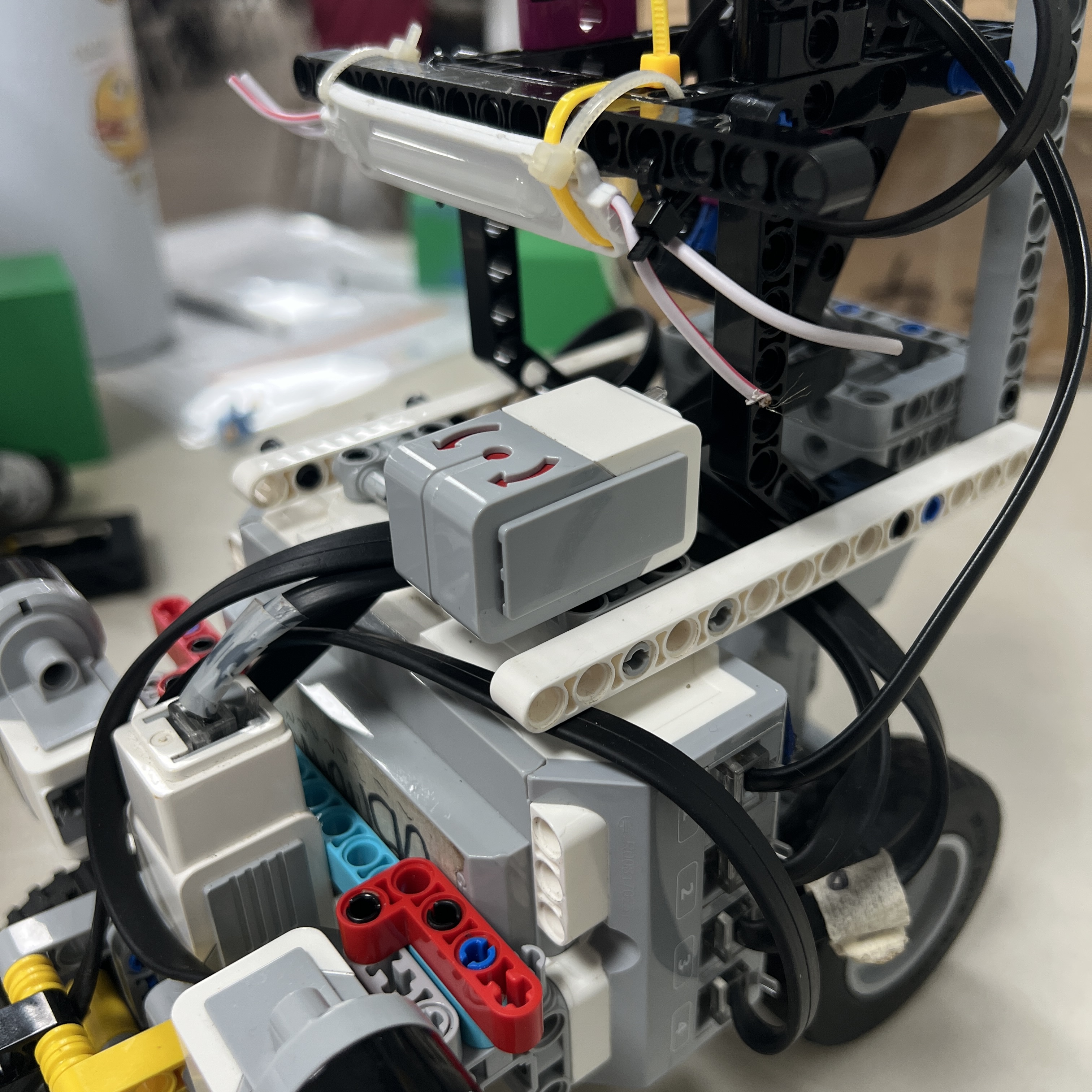 Figure 6.2. Open now dedicates S1 to heading sensing rather than attempting to maintain the Obstacle vision configuration simultaneously.
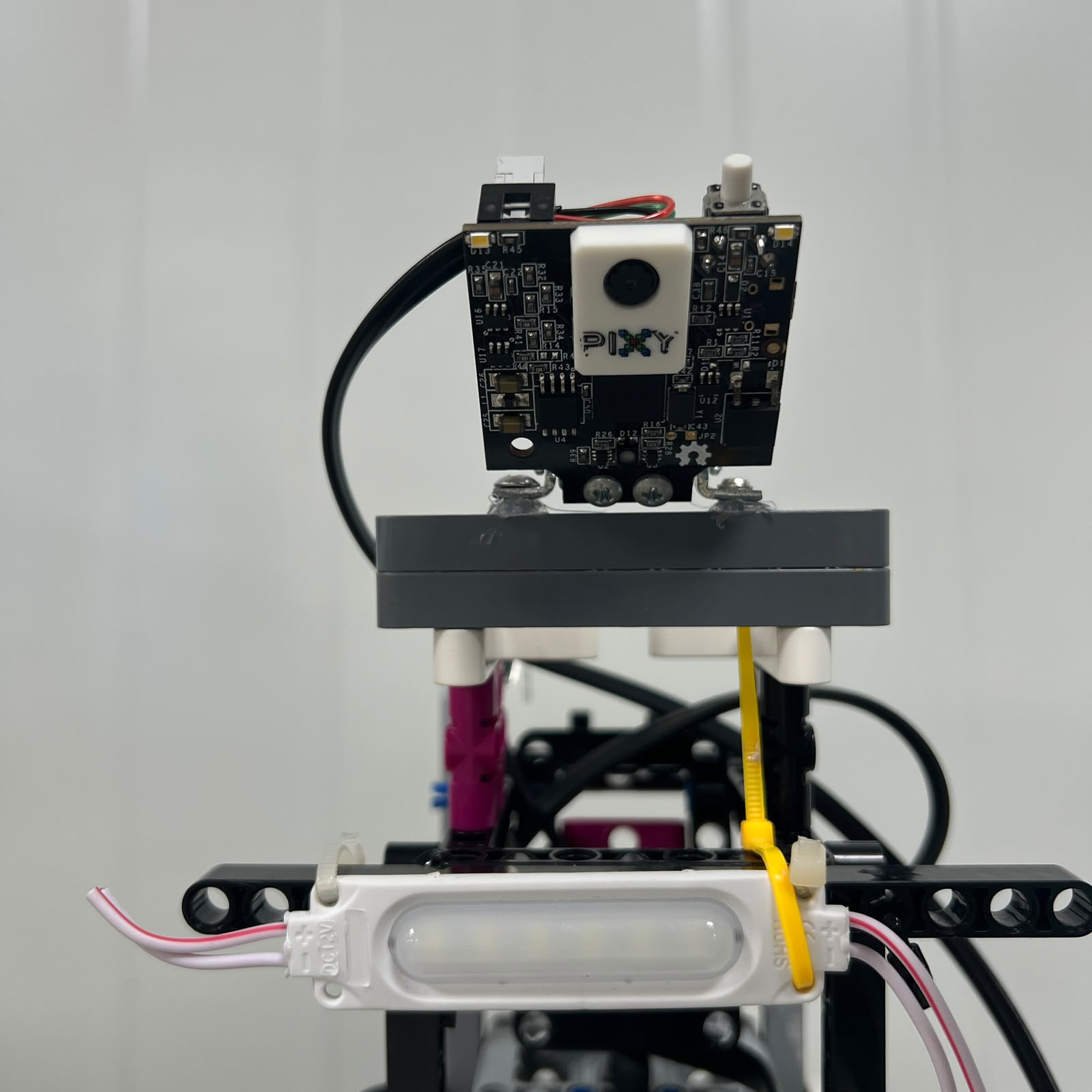 Figure 6.3. Obstacles deliberately replaces the Gyro Sensor with Pixy2.1 because obstacle identity becomes the more valuable measurement.
---
## 6.3 Changing Left and Right Sensor Meaning in Software
Another dangerous development problem was inconsistent left/right interpretation.
An early prototype contained ultrasonic variable naming that did not match the physical convention eventually adopted by the robot.
This demonstrated a serious systems problem:
```text
correct sensor measurement
+
incorrect physical identity
=
incorrect steering
```
A controller can be mathematically correct and still send Piolín toward the wrong wall if:
```text
LEFT
```
and:
```text
RIGHT
```
are interpreted inconsistently.
The same risk becomes even larger when navigation concepts such as:
```text
inner
outer
```
change according to course direction.
### What did not work
Allowing physical sensor identity and logical navigation role to become mixed together.
### Engineering lesson
Physical identity must remain immutable.
```text
LEFT
```
should always mean the physical left side of Piolín.
```text
RIGHT
```
should always mean the physical right side.
Only logical roles such as:
```text
inner
outer
```
should change.
### Current decision
The permanent convention is:
```text
S2 = LEFT
S3 = RIGHT
```
across:
```text
hardware
software
telemetry
documentation
testing
```
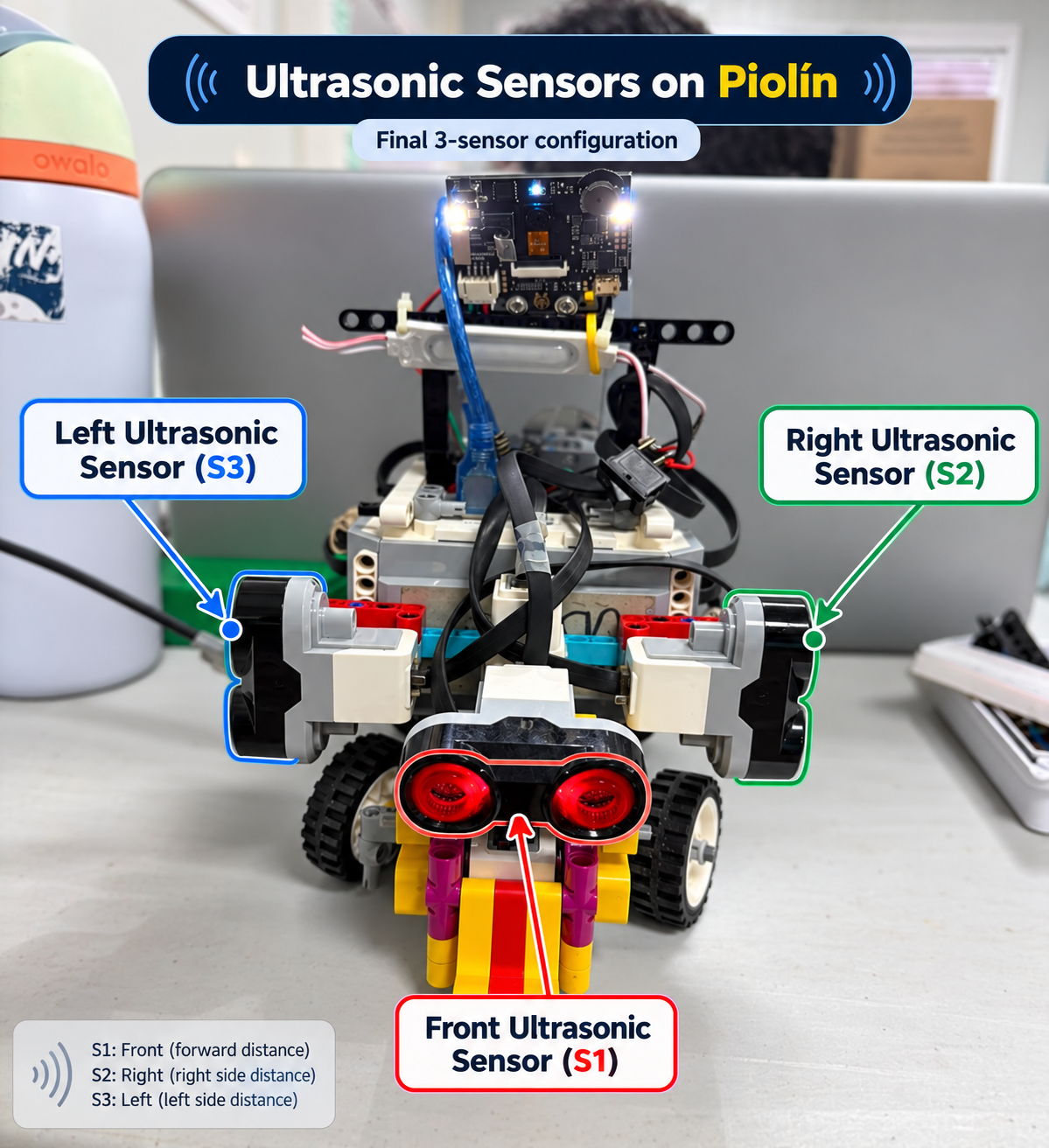 Figure 6.4. The current fixed sensor convention removes ambiguity between physical sensor location and direction-dependent navigation roles.
---
## 6.4 Simple Wall Reactions and Excessive Zig-Zag
An early wall-control idea can be represented as:
```text
too close to wall
→ steer away
too far from wall
→ steer toward wall
```
This is attractive because it is simple.
However, a moving Ackermann vehicle is not described completely by one instantaneous wall distance.
Piolín can be:
```text
at the correct distance but angled toward the wall
temporarily displaced but already correcting
inside a corner where the normal wall relationship has changed
```
A highly reactive threshold controller can therefore produce:
```text
LEFT correction
↓
overshoot
↓
RIGHT correction
↓
overshoot
↓
LEFT correction
```
which appears physically as:
```text
zig-zag
```
### What did not work
Treating every ultrasonic error as an immediate independent steering request.
### Engineering lesson
The wall system needs to distinguish:
```text
position
trajectory trend
geometry validity
physical danger
```
rather than reducing all four to one threshold.
### Current direction
The newer controller uses concepts such as:
```text
short ultrasonic filtering
two-sensor geometry
deadband
nonlinear correction
geometry confidence
steering smoothing
```
and separates:
```text
NORMAL WALL CONTROL
```
from:
```text
CRITICAL WALL SAFETY
```
The result is a more structured controller in which ordinary centering and emergency escape no longer represent the same behavior.
---
## 6.5 Allowing Normal Wall Control to Fight Pillar Avoidance
One of the most important obstacle-control lessons came from behavior that initially looked like incorrect Red/Green steering.
Consider:
```text
RED
→ required PASS RIGHT
```
If the obstacle controller correctly requests:
```text
RIGHT
```
but normal wall control simultaneously requests:
```text
LEFT
```
then combining both can produce:
```text
RIGHT + LEFT
→ weak command
```
or even unstable steering.
From outside the robot, this can look like:
```text
the camera got Red wrong
```
when the actual camera classification was already correct.
### What did not work
Allowing several navigation controllers to retain full steering authority simultaneously.
### Engineering lesson
A correct subsystem can still fail at the vehicle level when another correct subsystem is solving a different problem at the same time.
This is a **systems interaction failure**, not necessarily a sensor failure.
### Current decision
Piolín uses state-dependent authority.
```text
NORMAL
→ wall geometry has strong authority
```
```text
AVOID
→ pillar trajectory has strong authority
```
```text
CORNER
→ corner trajectory has strong authority
```
while:
```text
critical wall safety
```
can remain available independently.
This led directly to the current controller-arbitration architecture.
---
## 6.6 Direct Camera-to-Steering Logic
A tempting early obstacle strategy is:
```text
camera sees Green
→ steer left
camera sees Red
→ steer right
```
or even:
```text
pillar appears left in image
→ steer left
```
These rules are too direct for the complete maneuver.
The robot does not need to drive toward the colored block.
It must:
```text
identify obstacle
select required passing side
approach
move around it
confirm that it has been passed
recover
```
The camera also moves with Piolín.
During steering:
```text
chassis rotates
↓
camera rotates
↓
pillar x changes
```
even though the pillar remains stationary on the course.
### What did not work
Treating camera coordinates as direct Motor B commands without enough state or target context.
### Engineering lesson
Vision should answer:
```text
What do I see?
Where do I see it?
```
The navigation system should answer:
```text
What should I do about it?
```
### Current decision
The architecture now separates:
```text
PIXY DETECTION
↓
TARGET SELECTION
↓
STATE MACHINE
↓
OBSTACLE CONTROLLER
↓
ARBITRATION
↓
MOTOR B
```
The camera belongs to perception, not directly to actuation.
---
## 6.7 Using Image Position to Decide Red/Green Passing Side
Another dangerous interpretation is:
```text
pillar appears left
→ pass left
```
and:
```text
pillar appears right
→ pass right
```
This does not correspond to the competition rule.
The same Red pillar may appear:
```text
left of camera center
centered
right of camera center
```
depending on Piolín's current trajectory.
Its required side never changes.
### What did not work
Allowing camera perspective to determine competition behavior.
### Engineering lesson
Two different pieces of camera information must remain separate:
```text
SIGNATURE
→ object identity
```
and:
```text
X / Y
→ image geometry
```
### Current decision
The mapping is fixed:
```text
sig2
→ RED
→ PASS RIGHT
```
```text
sig3
→ GREEN
→ PASS LEFT
```
Image geometry may affect:
```text
reaction strength
target relevance
maneuver progression
```
but never reverses the required passing side.
---
## 6.8 Selecting the First Camera Block
Another simple implementation is:
```python
target = blocks[0]
```
This can work when:
```text
only one pillar is visible
```
but becomes unreliable when:
```text
a near pillar
and a distant pillar
```
appear simultaneously.
Camera return order is not necessarily the same as physical relevance.
A distant Green block could otherwise replace a nearby Red obstacle simply because it appears first in a returned list.
### What did not work
Using camera list order as navigation priority.
### Engineering lesson
```text
VISIBLE
```
does not mean:
```text
CURRENT TARGET
```
The system needs a selection layer.
### Current direction
The intended process is:
```text
READ BLOCKS
↓
VALIDATE
↓
BUILD CANDIDATES
↓
EVALUATE RELEVANCE
↓
CONFIRM
↓
LOCK
```
Possible relevance information includes:
```text
signature
x
y
width
height
current state
previous target
```
The final numerical relevance equation is still being calibrated, but the original:
```text
first block wins
```
strategy is no longer considered sufficient.
---
## 6.9 Releasing a Pillar as Soon as the Camera Loses It
During obstacle avoidance, Piolín rotates.
As it turns:
```text
camera orientation changes
```
and the pillar can leave the field of view before the vehicle has physically passed it.
A strategy such as:
```text
target disappeared
→ obstacle finished
```
can therefore cause:
```text
avoidance begins
camera loses pillar
recovery begins immediately
Piolín turns back toward the pillar
```
### What did not work
Using one missing camera observation as proof of physical clearance.
### Engineering lesson
```text
NOT VISIBLE
```
is not the same event as:
```text
PASSED
```
### Current decision
The architecture introduces:
```text
TARGET LOCK
PASS_CONFIRM
RECOVER
```
as separate phases.
Temporary visual loss can be combined with:
```text
recent Pixy history
S2/S3 physical geometry
current maneuver side
vehicle progression
```
before the obstacle is released.
This creates a more physically meaningful transition from avoidance to recovery.
---
## 6.10 Direct Single-Sample Floor Detection
The same event problem appeared with the S4 Color Sensor.
One physical marking may produce:
```text
BLUE
BLUE
BLUE
BLUE
```
across several control cycles.
Counting each reading would produce:
```text
4 events
```
instead of:
```text
1 physical event
```
A second problem occurs near the edge of a marking:
```text
BLUE
NONE
BLUE
```
which can incorrectly appear to be two separate lines.
### What did not work
Treating every classified color reading as a new course event.
### Engineering lesson
A continuous sensor signal must be converted into a discrete event lifecycle.
### Current decision
Piolín's prototypes developed mechanisms including:
```text
candidate confirmation
event lock
neutral-floor release
minimum Motor A encoder separation
```
so that the intended relationship becomes:
```text
one physical marking
→ one confirmed course event
```
This lesson later influenced Pixy target handling as well.
The same general pattern:
```text
CANDIDATE
→ CONFIRM
→ LOCK
→ RELEASE
```
is now reused across multiple perception systems.
---
## 6.11 Purely Timed Turns and Parking Movements
Timed movement was useful during early prototypes because it provided an easy way to test whether Piolín could physically execute a maneuver.
Examples include:
```text
steer
drive for fixed time
center
```
or:
```text
parking enabled
advance for fixed time
stop
```
These tests were useful as proofs of concept.
However, time does not directly represent:
```text
vehicle position
vehicle orientation
distance traveled
```
Two runs can differ because of:
```text
drive speed
battery behavior
entry pose
surface interaction
steering response
```
while using the same timer.
### What did not work well enough
Using elapsed time as the primary representation of physical maneuver completion.
### Engineering lesson
Whenever practical, the controller should use information related to the physical state.
### Current direction
Piolín increasingly uses:
```text
sensor events
Motor A encoder progression
S2/S3 geometry
Motor B position
Pixy target state
```
rather than time alone.
Timed actions can remain useful for:
```text
timeouts
small experimental maneuvers
safety limits
```
but are no longer treated as the strongest source of localization or maneuver completion.
---
## 6.12 Tuning Too Many Parameters at Once
One of the most damaging development patterns is changing several things after one failed run.
For example:
```text
increase steering
decrease speed
change wall gain
change target threshold
change recovery
```
in the same version.
If the next run improves:
```text
which change caused it?
```
becomes impossible to answer.
If the next run becomes worse:
```text
which change should be reverted?
```
is equally unclear.
### What did not work
Large groups of simultaneous tuning changes without an isolated hypothesis.
### Engineering lesson
Tuning is an experiment.
A useful experiment needs:
```text
controlled starting condition
one primary variable
repeatable test
observable result
```
### Current process
PiolínTech now prefers:
```text
KNOWN-GOOD BASELINE
↓
change one primary cause
↓
repeat same test
↓
compare
↓
keep or revert
```
This also reduces the chance of losing a previously successful behavior while trying to improve another one.
---
## 6.13 Full-Course Testing Too Early
A full autonomous run appears to be the most realistic test.
However, it is often a poor first test of a new controller.
Suppose Piolín fails after a Red pillar during a complete run.
The failure could originate in:
```text
target detection
target selection
pass-side mapping
avoidance strength
wall arbitration
pass confirmation
recovery
next corner
```
The complete run tells the team:
```text
something failed
```
but not necessarily:
```text
what failed first
```
### What did not work efficiently
Using the full track as the primary debugging environment for every new change.
### Engineering lesson
Complex behaviors should be decomposed before they are integrated.
### Current testing strategy
Development progresses through:
```text
sensor test
motor test
straight test
single corner
single Red pillar
single Green pillar
recovery
consecutive pillars
parking phases
complete parking
full course
```
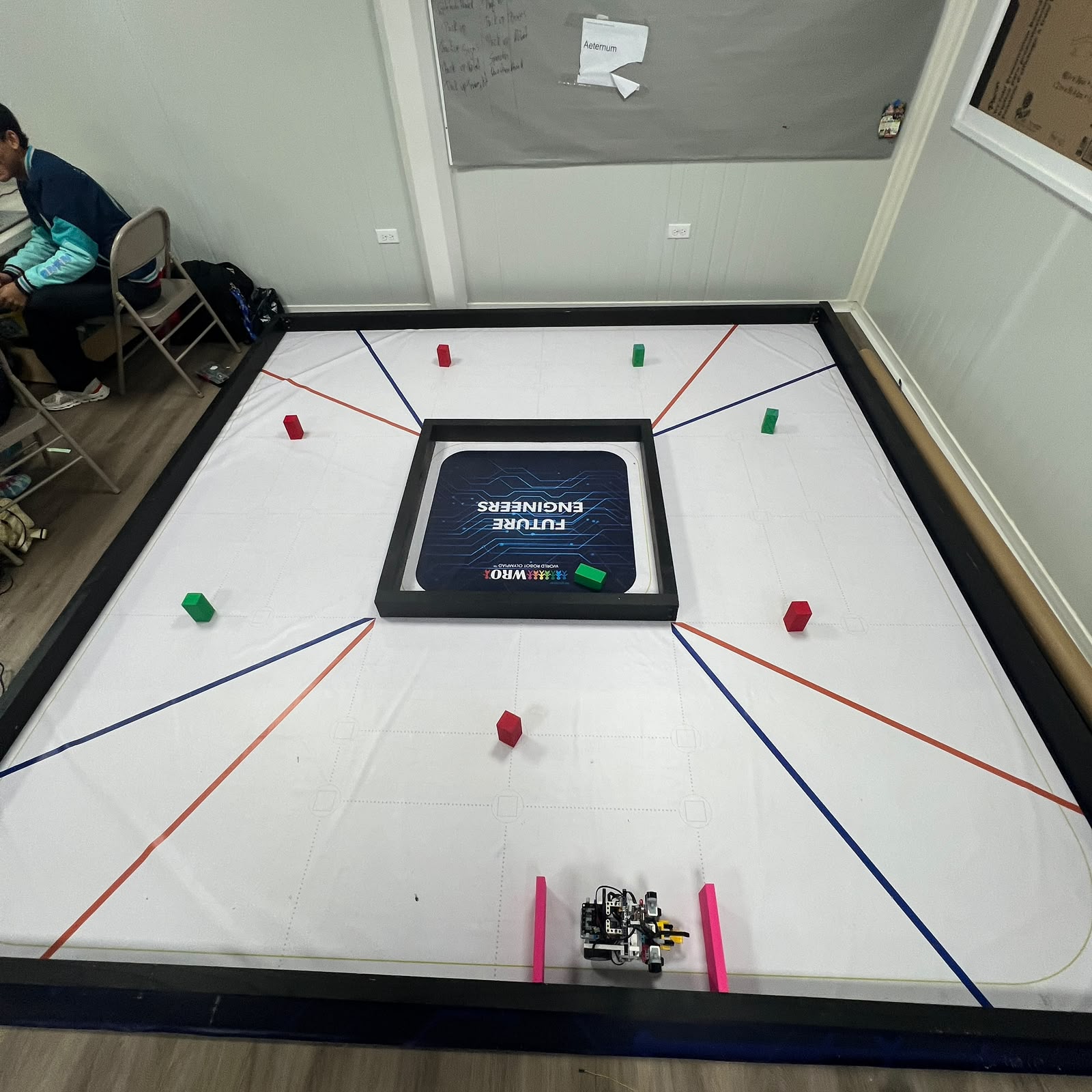 Figure 6.5. Full-course runs remain essential, but they are most informative after the individual behaviors involved in the run have already been isolated and tested.
The full course is now treated primarily as an **integration test**, not the first debugging tool.
---
## 6.14 Outdated Measurements and Architecture Descriptions
Piolín changed physically throughout development.
As a result, older values and descriptions can become incorrect even if they were accurate for an earlier version.
Examples of information that can become stale include:
```text
overall dimensions
mass
wheel dimensions
sensor positions
camera position
port mapping
```
A repository risk appears when an old value is copied into a current document simply because it already exists.
### What did not work
Treating previous measurements as permanently valid after the robot changed.
### Engineering lesson
Documentation must distinguish:
```text
CURRENT
LEGACY
NEEDS REMEASUREMENT
```
just as software distinguishes active and legacy code.
### Current decision
PiolínTech does not publish old dimensional values as current specifications without remeasurement.
Likewise, the current hardware architecture always uses:
```text
S2 = LEFT
S3 = RIGHT
```
and the round-specific S1 configuration.
Legacy hardware descriptions are preserved separately rather than mixed into the current wiring documentation.
---
## 6.15 What the Failed Approaches Changed
The most important result of unsuccessful testing is the architecture that followed from it.
| Earlier / Problematic Approach | Limitation Observed | Current Engineering Response |
| :--- | :--- | :--- |
| HuskyLens + Nano active architecture | Additional hardware and communication complexity | Direct Pixy2.1 → EV3 |
| Trying to support every sensor simultaneously | Port and integration complexity | Round-specific S1 |
| Ambiguous US left/right roles | Controller inversion risk | Fixed `S2 LEFT`, `S3 RIGHT` |
| Threshold-only wall reactions | Zig-zag / weak geometric understanding | Geometric wall controller |
| Wall controller always strong | Fought obstacle trajectory | State-dependent authority |
| Direct camera-to-steering | Camera motion affected trajectory decisions | Perception separated from control |
| Image x determines pass side | Perspective could reverse rule | Signature determines Red/Green rule |
| First Pixy block selected | Wrong target could dominate | Relevance-based target selection |
| Release target on camera loss | Recovery could begin before pass | `PASS_CONFIRM` |
| Count every S4 sample | Duplicate course events | Confirmation + latch + release |
| Time-based maneuver completion | Weak physical relationship | Sensor/encoder-based evidence |
| Many tuning changes together | Cause of improvement unclear | One-variable controlled iteration |
| Full course as first test | Difficult failure isolation | Subsystem tests before integration |
| Reusing old measurements | Documentation drift | Remeasure current robot |
These changes demonstrate that unsuccessful approaches were not isolated mistakes.
They produced design requirements that now appear throughout Piolín's current system.
---
## 6.16 From Failure to Architecture
The complete learning process can be represented as:
```text
OBSERVED FAILURE
│
▼
FIRST ASSUMPTION
│
▼
CONTROLLED TEST
│
▼
ASSUMPTION CORRECT?
/ \
YES NO
│ │
▼ ▼
modify subsystem inspect earlier layer
│ │
└────────┬───────┘
▼
NEW HYPOTHESIS
│
▼
TEST AGAIN
│
▼
REPEATABLE RESULT?
/ \
NO YES
│ │
▼ ▼
iterate keep change
│
▼
document decision
│
▼
integrate with system
```
Several major Piolín improvements followed this pattern.
The visible symptom was often not the actual root cause.
For example:
```text
"Red goes to the wrong side"
```
could originate from:
```text
signature interpretation
controller arbitration
steering sign
Motor B response
```
rather than from the camera itself.
Likewise:
```text
"Piolín hits the wall after a pillar"
```
could result from:
```text
late pass confirmation
weak recovery
```
rather than from obstacle avoidance being too strong.
This root-cause approach became increasingly important as the software architecture grew.
---
## 6.17 Final Engineering Assessment
Piolín's unsuccessful approaches are part of the engineering result, not material that should be removed from the project's history.
They reveal several recurring lessons.
### More hardware is not automatically better
The earlier multi-device vision architecture showed that additional processors and communication layers can increase uncertainty as quickly as they increase capability.
### More controller strength is not always the solution
Several trajectory problems resulted from controllers fighting each other rather than one controller being too weak.
### Missing information and wrong interpretation are different failures
The camera can correctly identify Red while a later software layer still produces a left trajectory.
### A sensor observation is not automatically a physical event
This applies to:
```text
floor lines
camera targets
pillar loss
parking references
```
and led to confirmation, locking, and release logic.
### Timers are useful but limited
They can create simple prototypes, but physical sensors and encoder progression usually provide stronger evidence of maneuver completion.
### Full-course testing is an integration tool
Subsystem failures are easier to diagnose when each behavior is isolated first.
### Documentation can also become technically wrong
Legacy values and architectures must be preserved as history without being presented as the current robot.
The evolution can therefore be summarized as:
```text
simple reactions
↓
unexpected interactions
↓
failure isolation
↓
clearer subsystem responsibilities
↓
state-based behavior
↓
controller arbitration
↓
sensor fusion
↓
repeatable testing
```
The central lesson from PiolínTech's unsuccessful development paths is:
> **An approach is valuable even when it is replaced if it reveals a limitation, disproves an assumption, or leads to a clearer architecture. The objective is not to avoid failed experiments; it is to ensure that each failed experiment changes what the team understands about the system.**
Piolín's current architecture is therefore not simply the collection of ideas that worked immediately.
It is the result of identifying which ideas were:
```text
too reactive
too ambiguous
too complex
too dependent on timing
too difficult to reproduce
or solving the wrong layer of the problem
```
and replacing them with designs whose responsibilities can be explained, tested, and traced more clearly.
---
### [← Back to PiolínTech Main README](../../README.md)