🤖 ModelScope | 🤗 HuggingFace | 📑 Blog | 🖥️ Demo | 🫨 Discord
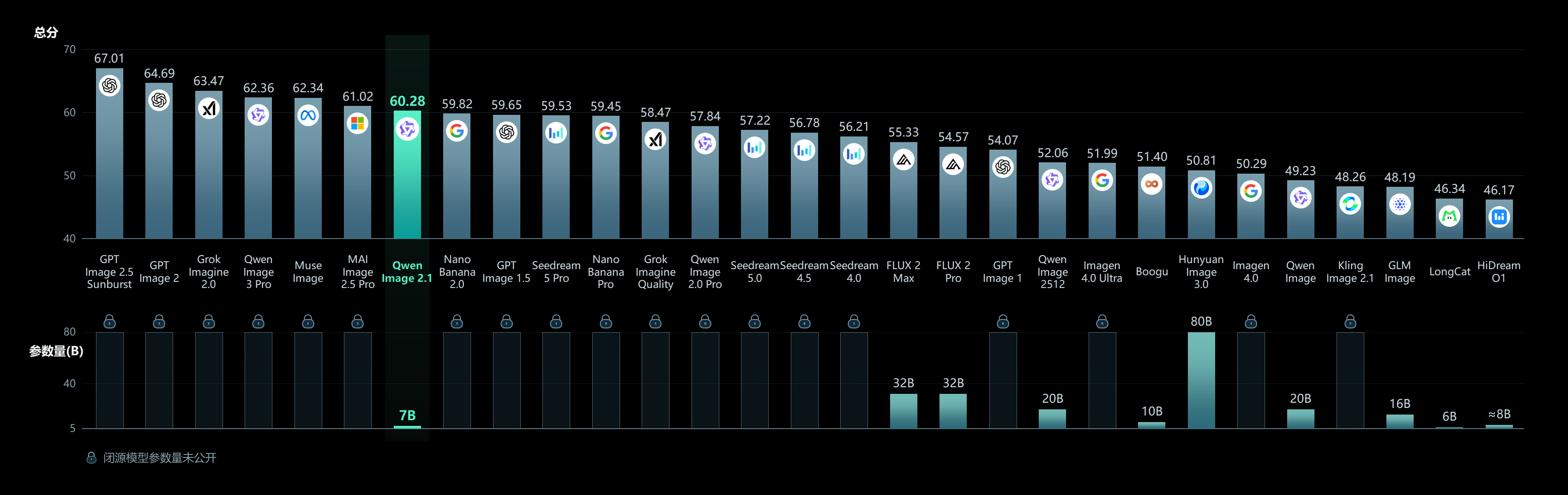
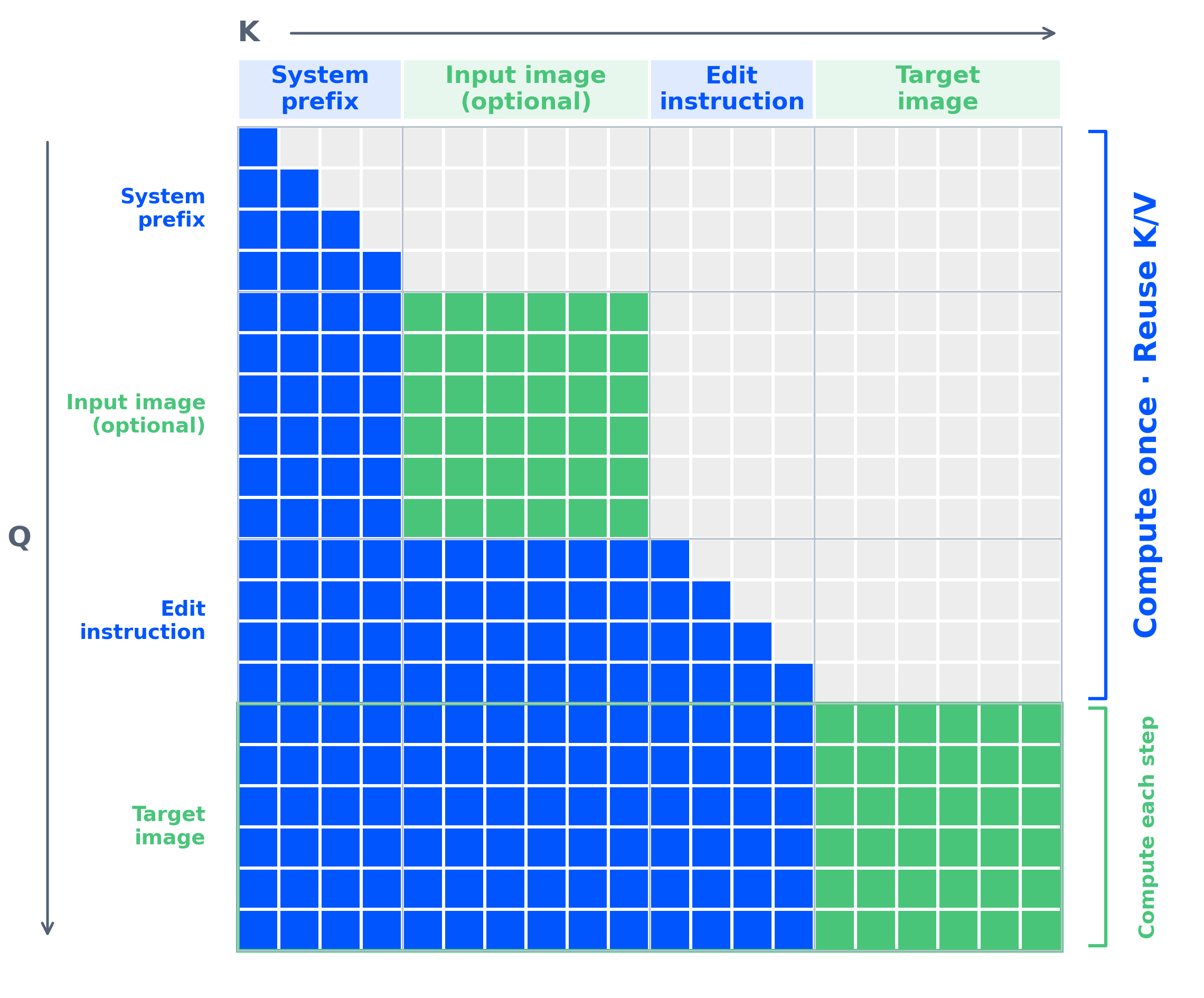
## Introduction We are excited to open-source **Qwen-Image-2.1**, a unified text-to-image generation and image editing model in the Qwen family. With just **7B parameters in its visual generation component** (32 Single-Stream DiT layers), Qwen-Image-2.1 balances generation quality, inference efficiency, and versatility. Four key improvements define this release: - **Compact and Efficient** — A lightweight architecture with mixed-granularity attention and prefix KV cache reuse delivers strong image quality at low computational cost. - **Native Transparency, Unified Creation and Editing** — Generate regular or transparent (RGBA) images from text, edit transparent layers, and extract subjects from photographs—all in one model. - **Versatile Editing** — Support up to **10 reference images**, specify local edits via circles, painted annotations, or separate masks, and preserve identity for people and products. - **Realistic Textures and Refined Aesthetics** — Improved typography, portrait lighting, and fine details for more visually compelling results.



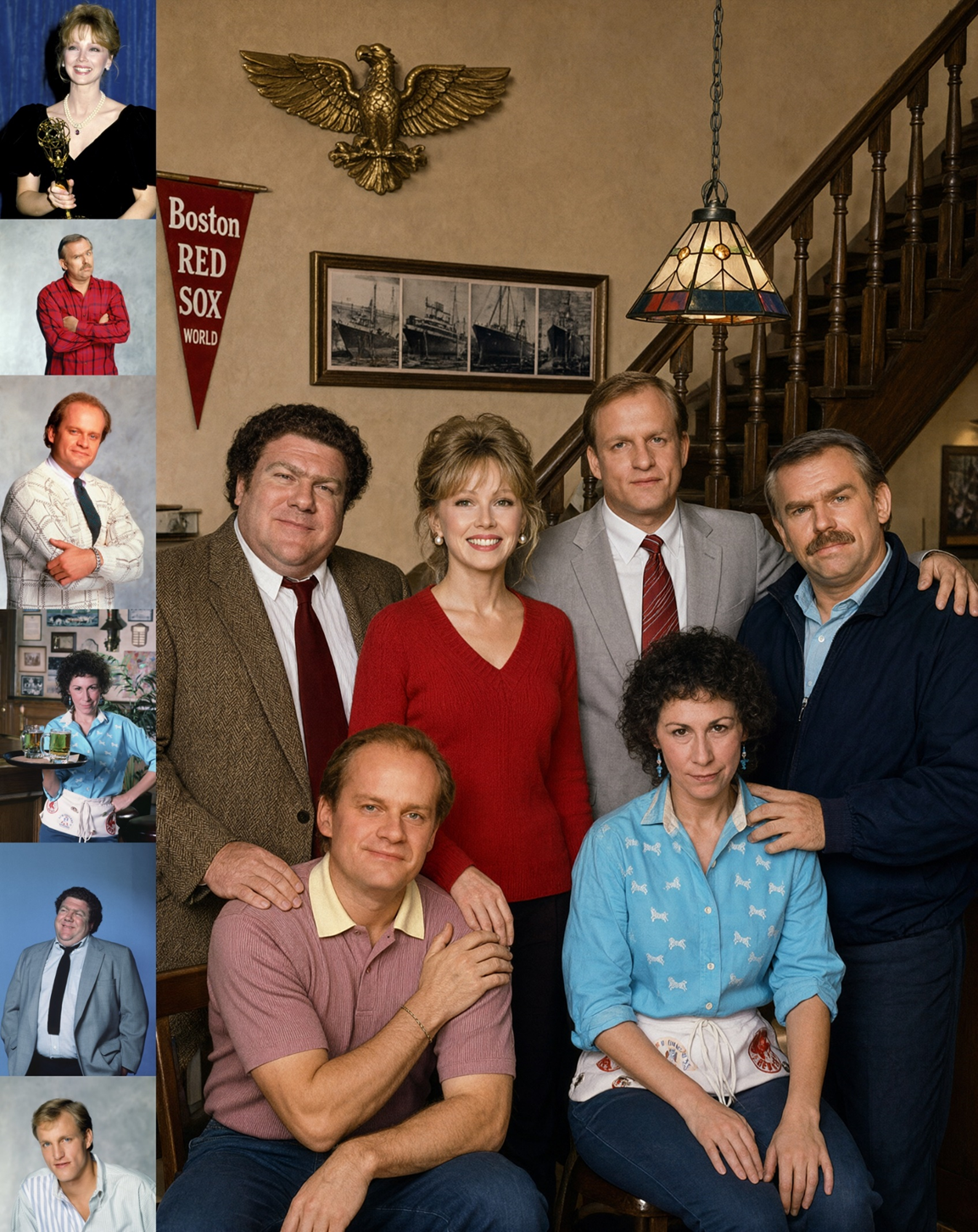
Group photograph generated from six individual portrait references
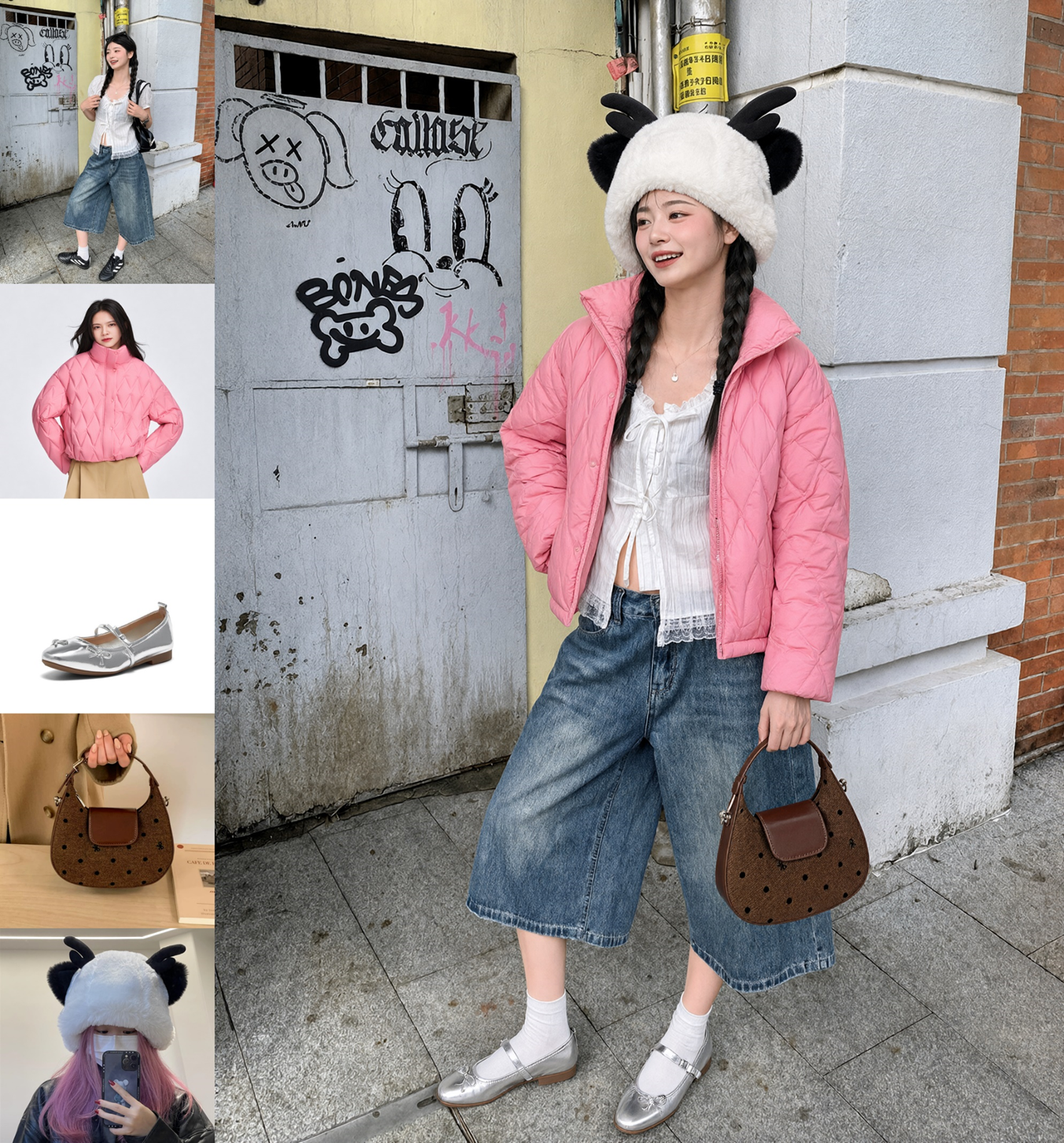
Complete outfit assembled from five reference images (model, clothing, shoes, bag, hat)
### Local Editing
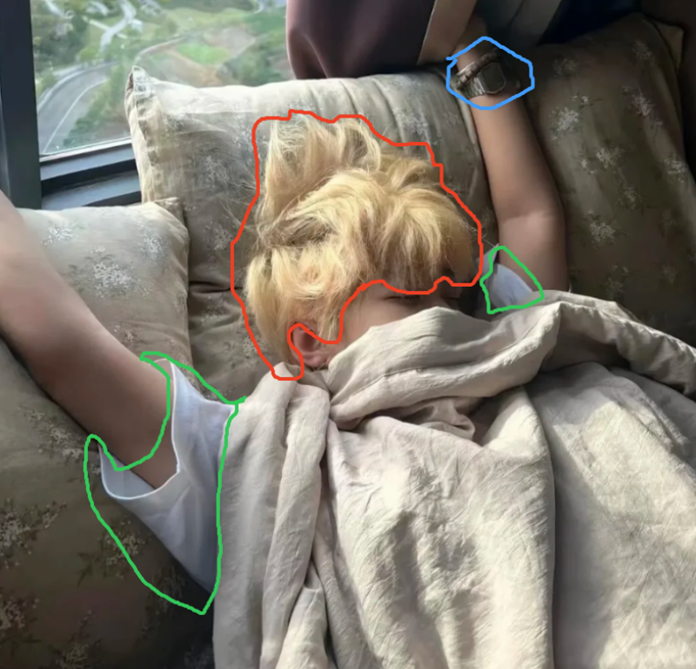

Circle-guided multi-region editing: remove watch, change hair color, replace clothing
### Portrait and Product Fidelity
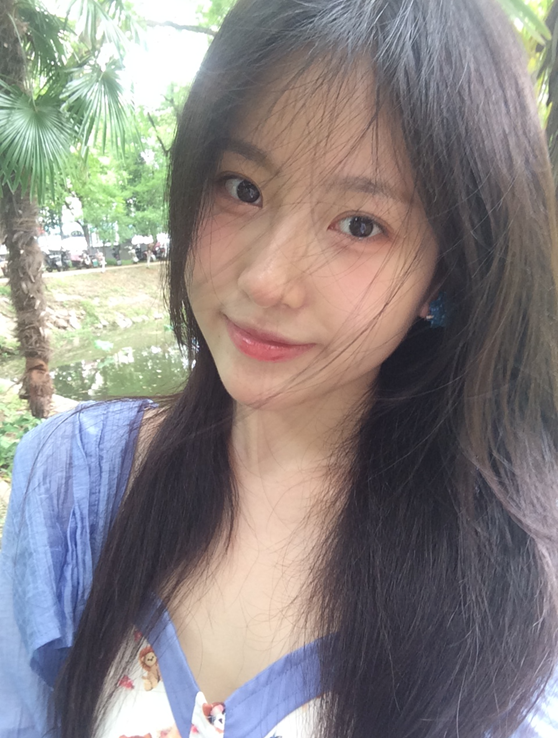
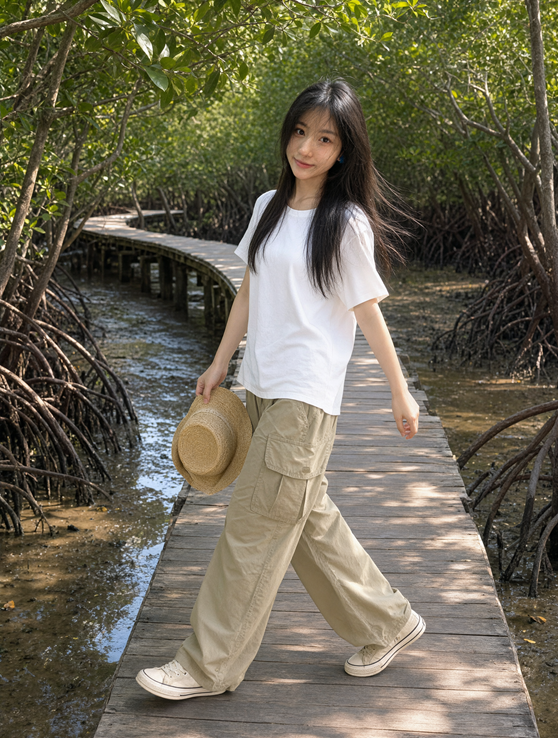
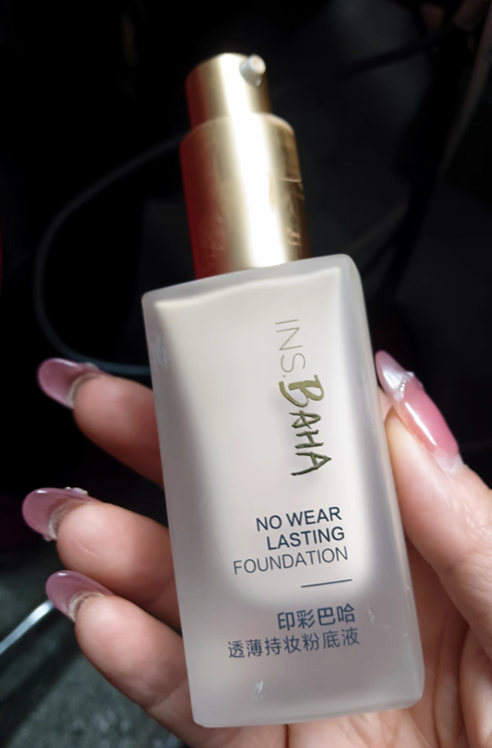

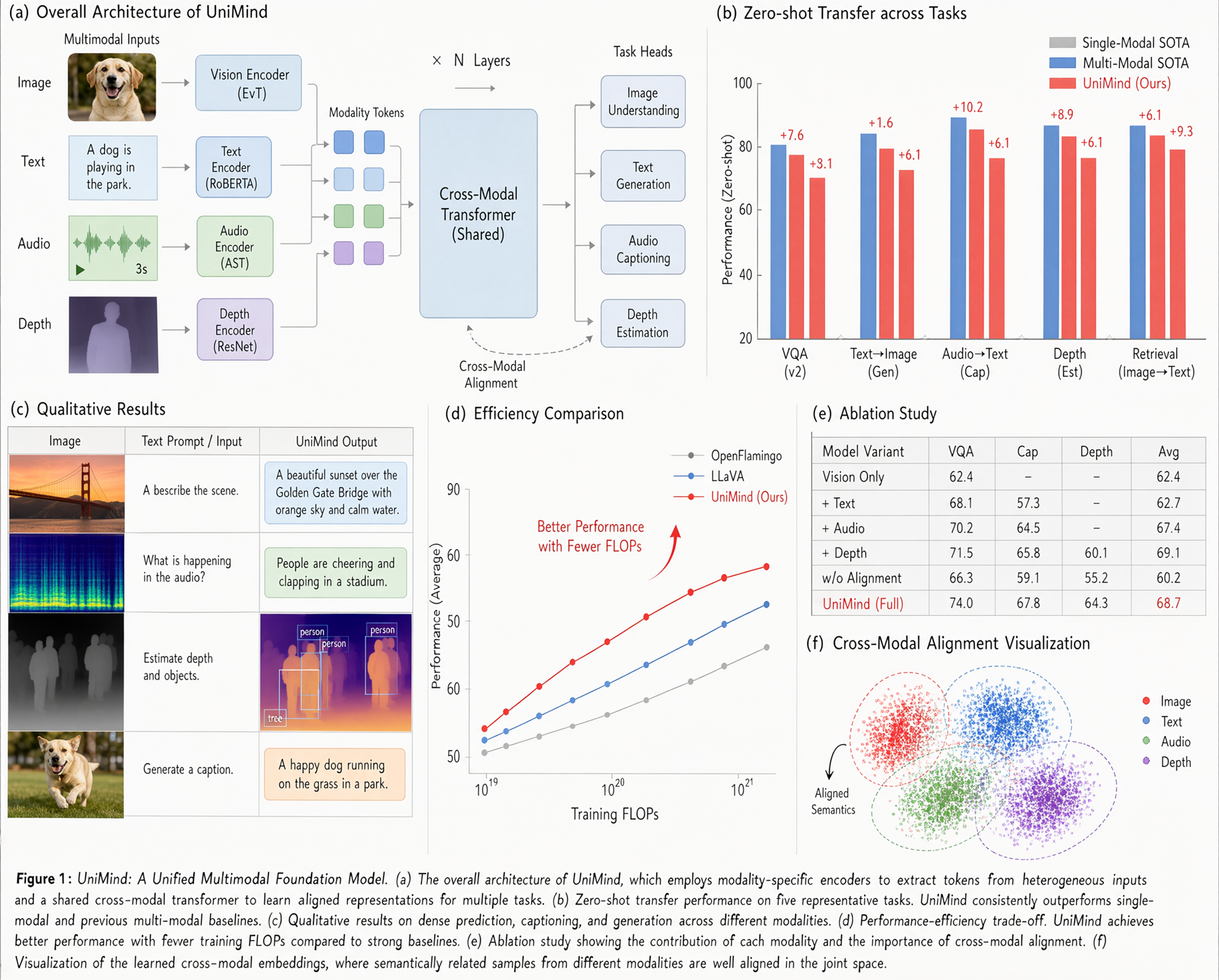
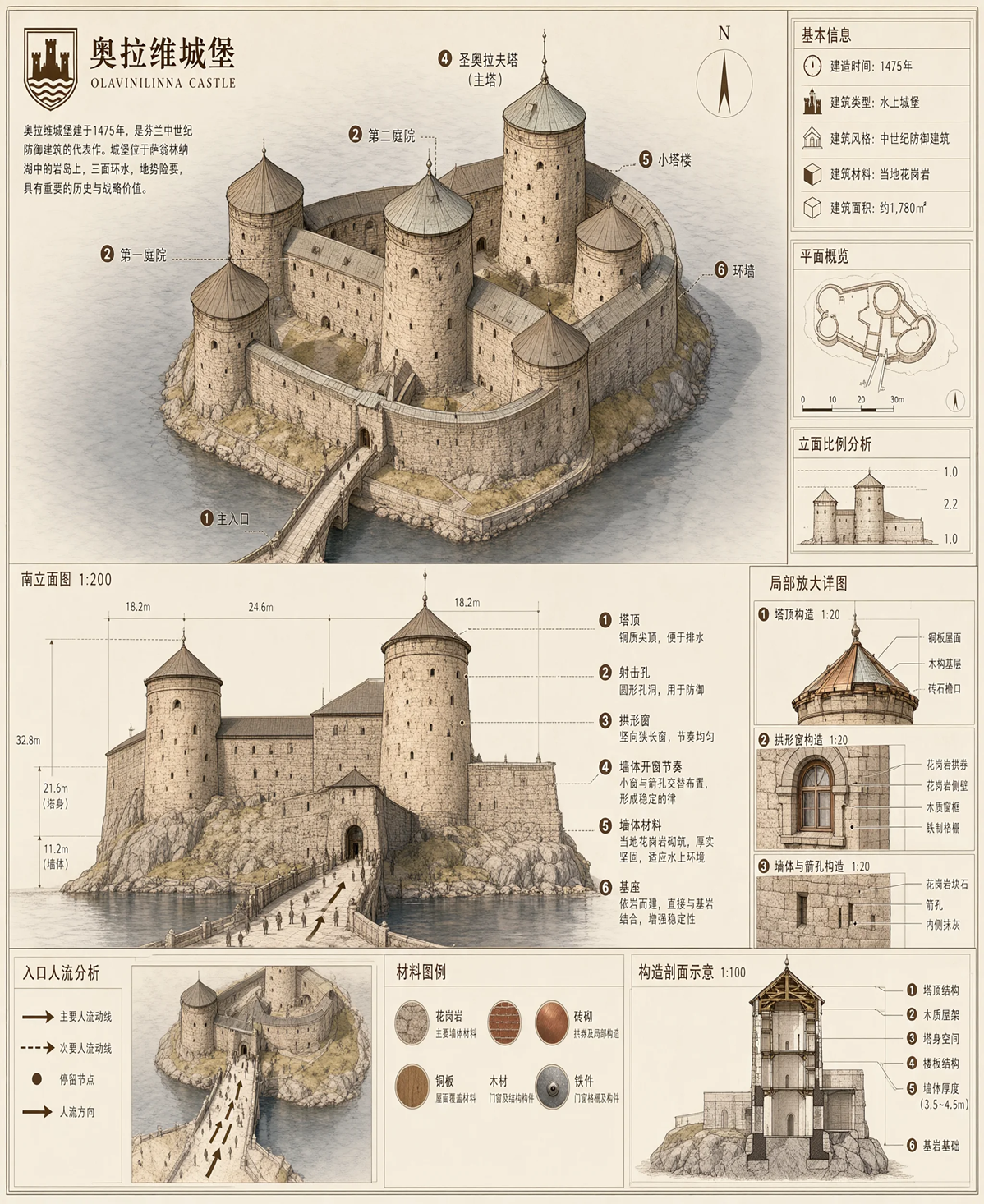
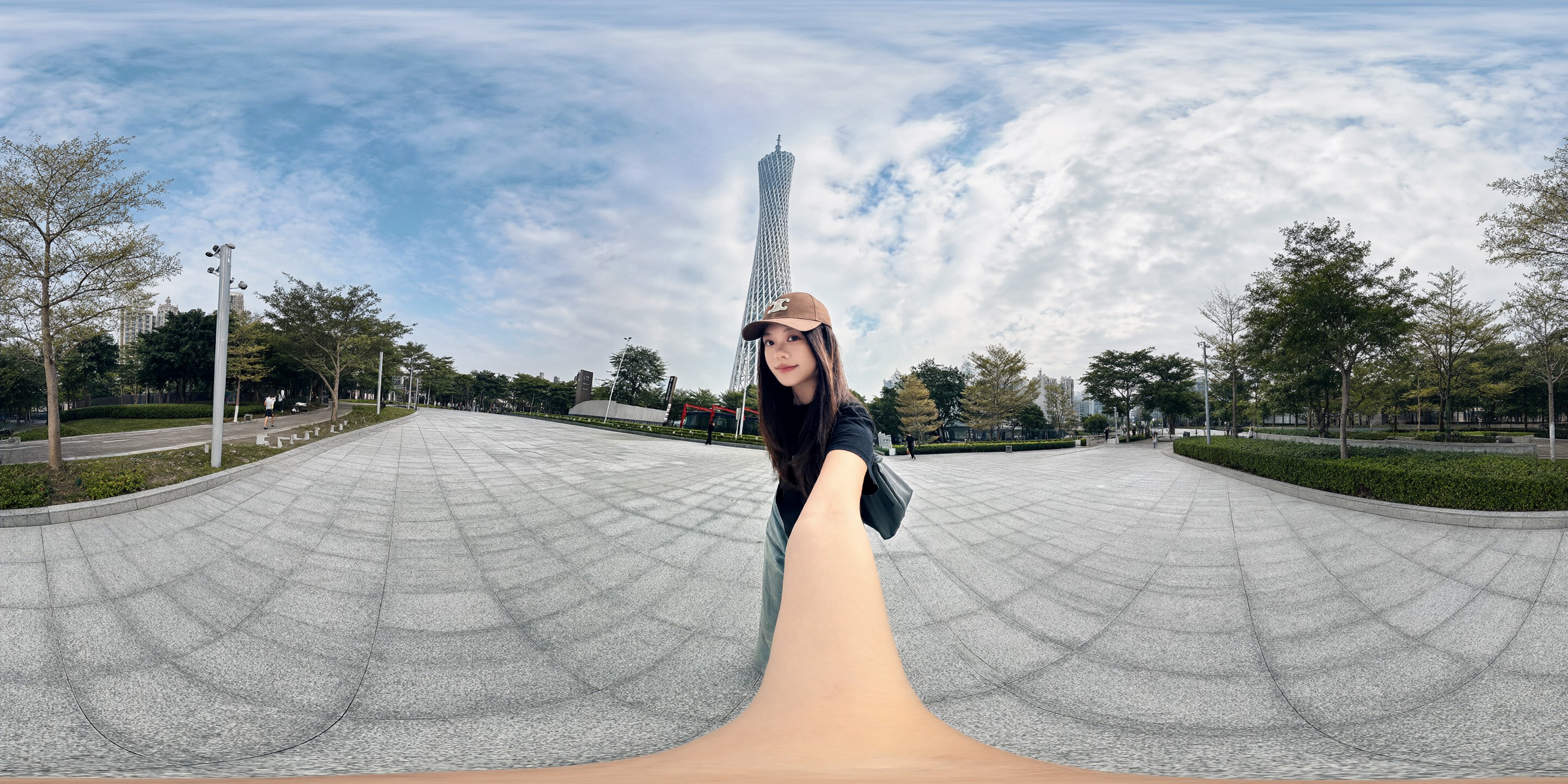
Panorama generated from a selfie

Storyboard generated from a three-view character reference
## Community Support ### Diffusers (Recommended) [Diffusers](https://github.com/huggingface/diffusers) supports Qwen-Image-2.1 via `QwenImage21Pipeline`, handling both text-to-image and image-conditioned generation in a single pipeline. See [PR #14804](https://github.com/huggingface/diffusers/pull/14804). ### ComfyUI Qwen-Image 2.1 is natively supported in [ComfyUI](https://github.com/Comfy-Org/ComfyUI) on Day 0. The compatible model weights can be downloaded from Hugging Face [Comfy-Org/Qwen-Image-2.1](https://huggingface.co/Comfy-Org/Qwen-Image-2.1). See example workflows for [text-to-image](https://github.com/Comfy-Org/workflow_templates/blob/main/templates/image_qwen_image_2_1_t2i.json) and [image editing](https://github.com/Comfy-Org/workflow_templates/blob/main/templates/image_qwen_image_2_1_image_edit.json). ### vLLM-Omni [vLLM-Omni](https://github.com/vllm-project/vllm-omni) accelerates Qwen-Image 2.1 through cross-step prefix KV cache reuse and dedicated CUDA Graphs, reducing redundant computation and kernel launch overhead. Request-level and step-level continuous batching improve GPU utilization and throughput, with phase-aware prefill and decode scheduling. It also supports tensor and Ulysses sequence parallelism, distributed VAE decoding with adaptive OOM recovery, FP8 weights and prefix KV storage, and CPU offloading for varying memory budgets. See the [Qwen-Image-2.1 recipe](https://recipes.vllm.ai/Qwen/Qwen-Image-2.1) for details. ### SGLang [SGLang-Diffusion](https://github.com/sgl-project/sglang) provides native, high-performance inference with multi-GPU parallelism, memory offloading, and optimized kernels. See the [Qwen-Image 2.1 cookbook](https://docs.sglang.io/cookbook/diffusion/Qwen-Image/Qwen-Image-2.1) and [PR #39983](https://github.com/sgl-project/sglang/pull/39983). ### Wuli.art For users in mainland China, [wuli.art](https://wuli.art/explore) offers free access to all Qwen Image 2.1 features in both Chatbox and Canvas, including image generations with transparent background. 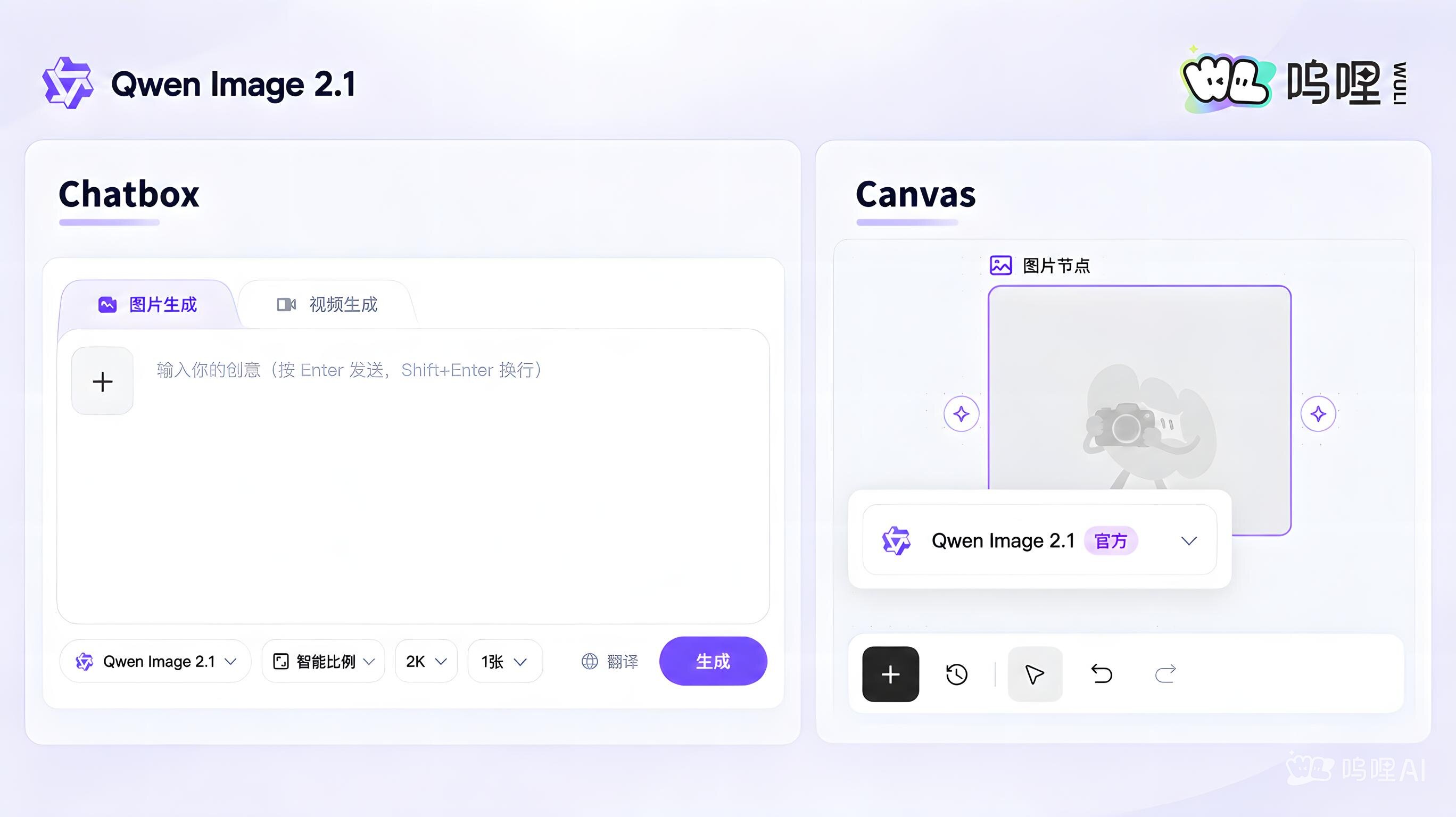 ### ModelScope ModelScope fully supports Qwen-Image-2.1. Built on its open-source [DiffSynth-Studio](https://github.com/modelscope/DiffSynth-Studio) framework, the platform enables seamless model download, online generation and LoRA training. Explore these capabilities at [ModelScope Civision](https://modelscope.cn/aigc). ## Hardware Support ### AMD Radeon GPU Get ready to run Qwen-Image 2.1 on AMD Radeon GPU. With ROCm, PyTorch, and Diffusers, developers can easily explore high-quality text-to-image generation on AMD GPUs. ### Diverse AI Chips via FlagOS [FlagOS](https://github.com/flagos-ai) is a fully open-source system software stack for heterogeneous AI chips. It unifies the model–system–chip layers to enable a "develop once, run anywhere" workflow, eliminating the fragmentation among vendor-specific software stacks and substantially lowering the cost of porting AI workloads across accelerators. In this release, Qwen-Image-2.1 leverages the FlagOS software stack to provide direct multi-chip support. By integrating the Triton-based operator library [FlagGems](https://github.com/flagos-ai/FlagGems) via the [Torch-FL](https://github.com/flagos-ai/Torch-FL) plugin, FlagOS enables seamless adaptation of the Diffusers library across chip platforms; the usage experience remains identical to that on NVIDIA, requiring zero code modifications. **Inference accuracy across all platforms has been aligned with the official implementation.** Prebuilt images and weights for 8 chip platforms are released under [FlagRelease](https://modelscope.cn/organization/FlagRelease) — for example, [T-Head zhenwu](https://modelscope.cn/models/FlagRelease/Qwen-Image-2.1-BF16-zhenwu-FlagOS) and [Arm](https://modelscope.cn/models/FlagRelease/Qwen-Image-2.1-W8A8-arm-FlagOS). ## License Agreement This repository is licensed under the [Qwen Research License Agreement](./LICENSE). ## Contact and Join Us If you'd like to get in touch with our research team, join our [Discord](https://discord.gg/z3GAxXZ9Ce). We welcome issues and pull requests on GitHub. If you're passionate about fundamental research, we're hiring full-time employees and research interns. Reach out at fulai.hr@alibaba-inc.com. ## Star History [](https://www.star-history.com/#QwenLM/Qwen-Image-2.1&Date)