---
published: true
layout: post
title: The Social Fabric of HTTP APIs We Take for Granted
tags:
- HTTP
- Web
- People
- Social
image: >-
https://kinlane-productions2.s3.amazonaws.com/algorotoscope-master/america-under-socialism-times-square-corner.jpeg
---
Us technologists excel at not seeing the human aspects of why things work—-we assume it is just the good technology driving everything. There is a reason we are good at coding in isolation. It is because we aren’t good at human things. We are nerds, geeks, or whatever outsider phrase you use to describe yourself. We put a lot of faith in good and right technological solutions. It’s all very binary and easy-—it is either good or bad. On or off. When in reality these are all very human things. I strongly believe that much of the success of HTTP APIs over other solutions was the humans talking, sharing, and demonstrating how this free and ubiquitous technology can be used in useful and meaningful ways.
HTTP or REST APIs aren’t the answer for every programmatic interface, but it is the dominant answer today-—by far. I’ve spent a lot of time around APIs. Events. Community. Talks. Webinars. Meetups. Forums. Most of these discussions were just talking about the web we all were experiencing and we were getting together to talk about how this ubiquitous Web could be used for other applications. Looking back, much of the success of HTTP APIs wasn’t REST as many would like to believe, or even the underlying HTTP and Web, it was us coming together to talk and share as human beings. HTTP APIs weren’t too far away from the web you navigated each day, so it was an easy and relevant bridge to whatever was next as long as your people made you feel part of something that came together to share ideas.
 HTTP and REST APIs are messy, and far from perfect. So are we. I strongly believe that this is why HTTP and REST APIs are dominant. Sure, Kafka is a superior technology, but it only speaks to a specific audience within the enterprise firewall. More specifically to the world of HTTP APIs, the API specification RAML is superior in functionality to Swagger / OpenAPI, but we as a community did the work to socialize Swagger at Meetups, conferences, and online. Mulesoft did not with RAML-—it was a corporate solution that sales was forcing on you. As believers in technology, wrapped in capitalism, we easily believe that the best technology and product will win, and when evaluating technology we overlook the human work that goes into—-this is by design. The whole system is about showcasing technology and companies, and only the humans who own and lead those things, and isn’t about elevating the many, many, many people who do the work to make technology something meaningful.
HTTP and REST APIs are easy to tinker with when they are simple. Tools like Postman and Swagger (now OpenAPI) made those APIs easy to share and interact with. These shifts were less about Postman and Swagger, and everything about getting the people moving, thinking, and acting in similar motions. In this world simplicity and stories matter the most. gRPC just doesn't bring people together. Nobody is bringing everyone together with a Game of Thrones or whatever the latest movie or television universe gRPC or WebSockets API. It just isn’t accessible. In a world where enterprises and startups do not invest in the education and training of its workforce, keeping things simple, accessible, shareable, and relatable means everything. Technology for the sake of technology is rarely the answer. This is why AI will stumble. Intelligence is social. APIs are social. I’ve heard a lot of times that API stands for application people interface—-this feels so very true to me.
HTTP and REST APIs are messy, and far from perfect. So are we. I strongly believe that this is why HTTP and REST APIs are dominant. Sure, Kafka is a superior technology, but it only speaks to a specific audience within the enterprise firewall. More specifically to the world of HTTP APIs, the API specification RAML is superior in functionality to Swagger / OpenAPI, but we as a community did the work to socialize Swagger at Meetups, conferences, and online. Mulesoft did not with RAML-—it was a corporate solution that sales was forcing on you. As believers in technology, wrapped in capitalism, we easily believe that the best technology and product will win, and when evaluating technology we overlook the human work that goes into—-this is by design. The whole system is about showcasing technology and companies, and only the humans who own and lead those things, and isn’t about elevating the many, many, many people who do the work to make technology something meaningful.
HTTP and REST APIs are easy to tinker with when they are simple. Tools like Postman and Swagger (now OpenAPI) made those APIs easy to share and interact with. These shifts were less about Postman and Swagger, and everything about getting the people moving, thinking, and acting in similar motions. In this world simplicity and stories matter the most. gRPC just doesn't bring people together. Nobody is bringing everyone together with a Game of Thrones or whatever the latest movie or television universe gRPC or WebSockets API. It just isn’t accessible. In a world where enterprises and startups do not invest in the education and training of its workforce, keeping things simple, accessible, shareable, and relatable means everything. Technology for the sake of technology is rarely the answer. This is why AI will stumble. Intelligence is social. APIs are social. I’ve heard a lot of times that API stands for application people interface—-this feels so very true to me.
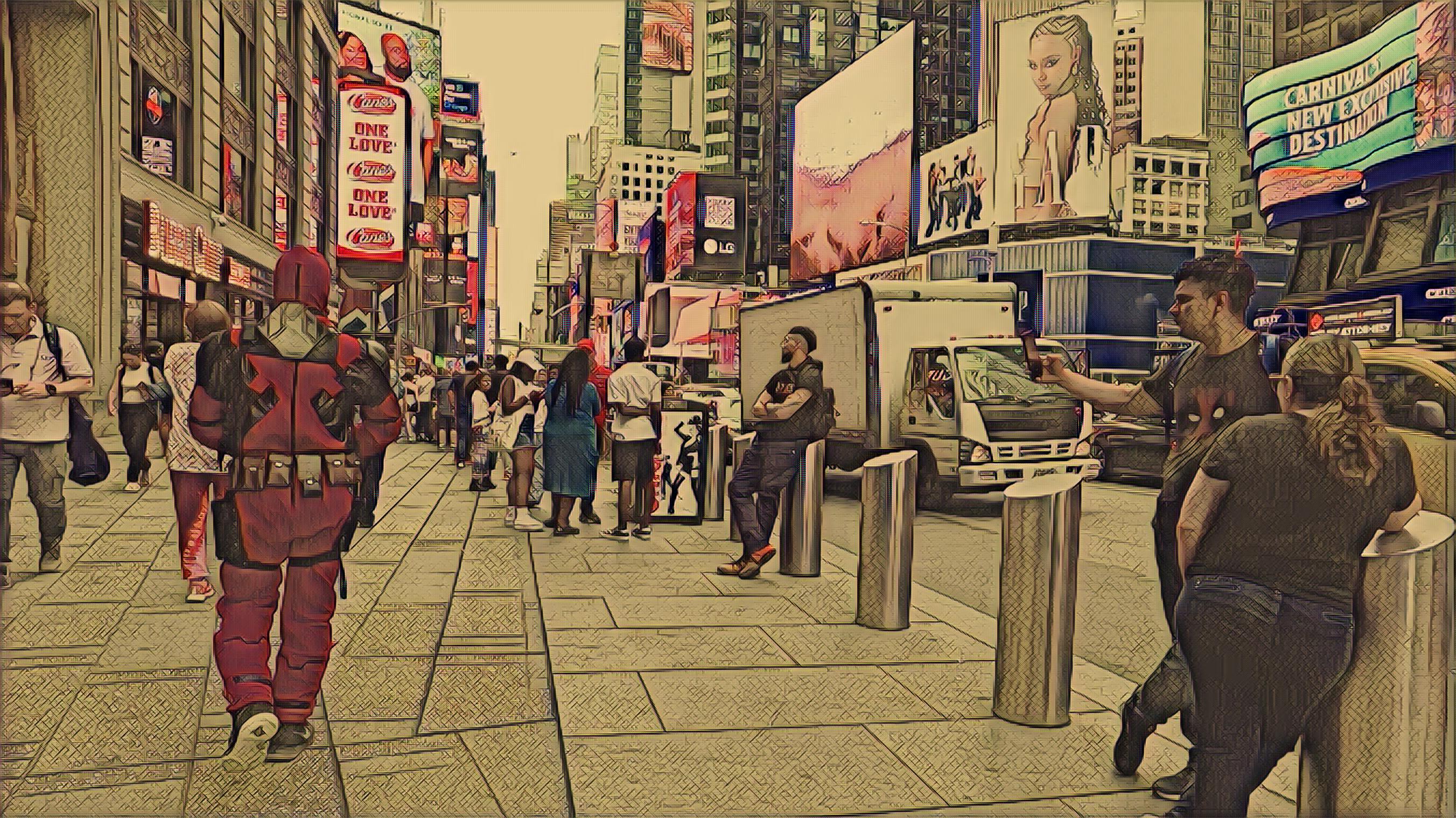 I know that business leadership wants the expensive and messy humans to go away, so they can automate all of their revenue, without all the headache. I know that technologists who haven’t experienced the human greatness of music, art, and theater, or regularly experience the love, community, and empathy humans are so good at, are rooting for technology to win. Looking back at what has driven the last 20 years of advancement in business and technology from my view-—it was human. It was the social fabric brought together by people in the technology communities, and a handful of companies who invested in these communities. Granted, the lion share of value from these movements went to just a handful of individuals, and the social fabric HTTP APIs brought to commerce, social, the cloud, messaging, videos, and every other dimensions APIs touched has been weakened and is stretched so very thin. All of this is people and stories. All of it. API is only a thing because of people. AI is only a thing because of people. Technology only rises because of people, and only stays viable and meaningful because of people. For me, APIs are just a means to an end. I don’t care about APIs. I care about the people and the social fabric we weave with APIs.