# dsh-whale-galgame · A multi-character Galgame engine aware of cross-session task events
[简体中文](README.md) · **English** · [日本語](README.ja.md) · [한국어](README.ko.md)
Recent Harness work can shape what a character says next.
`dsh-whale-galgame` adds a dedicated multi-character Galgame view to DeepSeek Harness Web. For each originating workspace, local deterministic rules classify recent activity into 11 task categories, including debugging, writing, and research, then merge a safe result that contains no source text into one global event feed. When you chat in the Galgame, the current character can naturally acknowledge that work. Raw Harness task text stays in the local classification step; the reply model receives only fixed category and status cues, while tool arguments, tool results, and assistant message bodies are excluded from this awareness path.
DeepSeek, Claude, GPT, Gemini, Kimi, and Grok map to six independent roles. The displayed role is selected separately from the model that writes replies. The current role; each role's relationship progress, profile, dialogue history, reply choices, consumed-task memory, custom sprite, CG gallery, and background; and the token-settlement balance and plugin preferences all form one continuous state shared across workspaces. Workspaces and sessions identify only where Harness events came from and provide collection/deduplication keys: switching workspaces neither restarts the story nor makes the same role mention the same event again. Affection responds to three shuffled reply types, newly observed Harness token usage while the plugin is running, and long absences; levels have no cap. With a DashScope key, level-ups can generate 1920 × 1080 landscape CGs themed to recent work. The desktop pet can be disabled and opens the Galgame view when clicked.
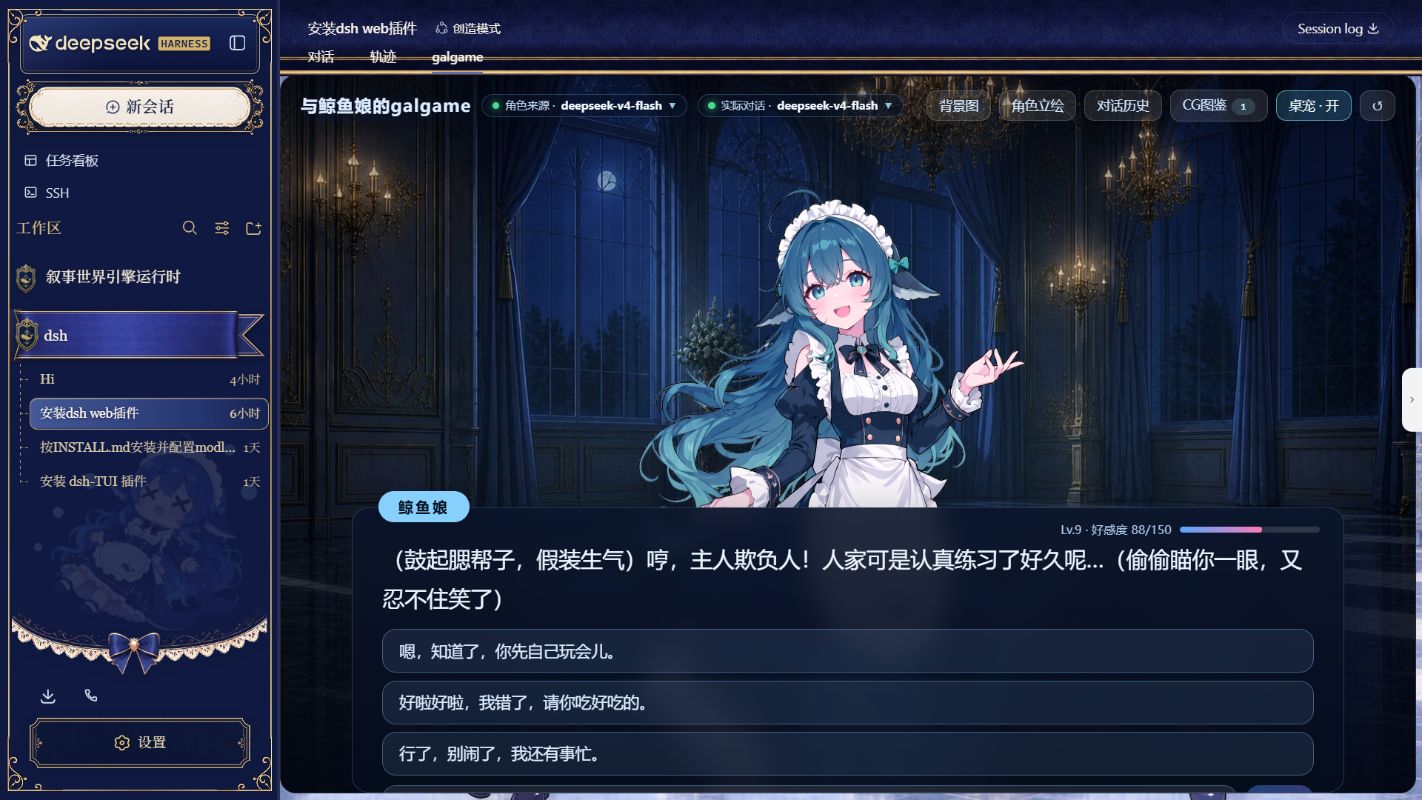
> The plugin interface is currently in Simplified Chinese. This page translates the installation and usage documentation.
## What it does
- Choose the displayed character separately from the reply model. A role can follow the workspace model or be pinned; replies can use the default `deepseek-v4-flash`, follow the workspace, or use a model listed by DSH.
- The six roles keep separate affection, level, profile, dialogue history, reply choices, consumed-task memory, custom sprite, CG gallery, and background data, all shared globally across workspaces; the current role, token balance, and plugin preferences remain continuous too.
- Each turn offers close, neutral, and distant reply options in shuffled positions. Free-text input remains available.
- Switching roles also switches to that role's built-in background. The whale-girl still defaults to the deep-sea palace; her new seaside study is an optional built-in alternative. A user upload or saved CG overrides role defaults until a built-in background is restored.
- Manage the background, per-role sprite, dialogue archive, CG gallery, and desktop pet from the interface. Clicking the pet opens the `galgame` tab.
## Affection and cross-session context
### Relationship progression
Each role begins at Lv.1 with 0 affection and keeps its own state. The close, neutral, and distant reply choices apply +1, 0, and -1 respectively, with their positions shuffled each turn; free text uses lightweight keyword rules. While the plugin is running, newly observed Harness `assistant/message` usage events from every workspace enter one global token balance. Every 5,000 accumulated input and output tokens add 1 point to whichever role is current when settlement runs. A settlement redeems at most 3 points and keeps the remaining balance; model calls initiated by the plugin itself are excluded, and usage from before the plugin started is not recalculated. After a 24-hour grace period without activity, every role loses 2 points per day, with a floor of 0.
The level threshold is `30 + 15 × (Lv - 1)`: 30, 45, 60, and so on. Reaching it raises the level and carries any surplus into the next one; there is no level cap. Relationship tone has five stages and remains at the closest stage from Lv.5 onward. With a valid DashScope key configured, each level-up attempts to generate a commemorative CG.
### Harness task events
For each event source, the plugin examines at most 16 top-level live and persisted Harness sessions from that workspace, limited to the past 72 hours and the final 240 events in each session. Local deterministic rules classify activity as code debugging, code development, document summarization, document writing, literary creation, research, data analysis, visual design, presentation work, translation and proofreading, or task planning, then merge the safe result into the global event feed. Text classification uses only explicit user text submitted by a person; tool names and turn-end status may also contribute. Tool arguments, tool results, and assistant body text are neither read nor sent.
Only fixed category and status cues are passed to the Galgame reply model and CG generation service. While answering the current topic, the character naturally adds one brief acknowledgement—for example, reminding the player to rest after a debugging task. Each role's consumed-event fingerprints and last-mention time live in the global state: switching workspaces will not cause that role to proactively mention the same event again, and different events remain at least 30 minutes apart. Task events affect the topic, not affection directly.
## Bundled default art
The installed plugin embeds 22 runtime visual assets: six character sprites, seven built-in backgrounds, eight whale-girl expressions, and one 11-row desktop-pet animation atlas from [dsh-deepseek-girl-pet](https://github.com/f0909172434/dsh-deepseek-girl-pet). The six images below are the default role sprites; [`assets/default/`](assets/default/README.md) lists every exported file and its runtime purpose. The npm installation carries only the client bundle with embedded art, rather than duplicating the raw exports or generated-art source.
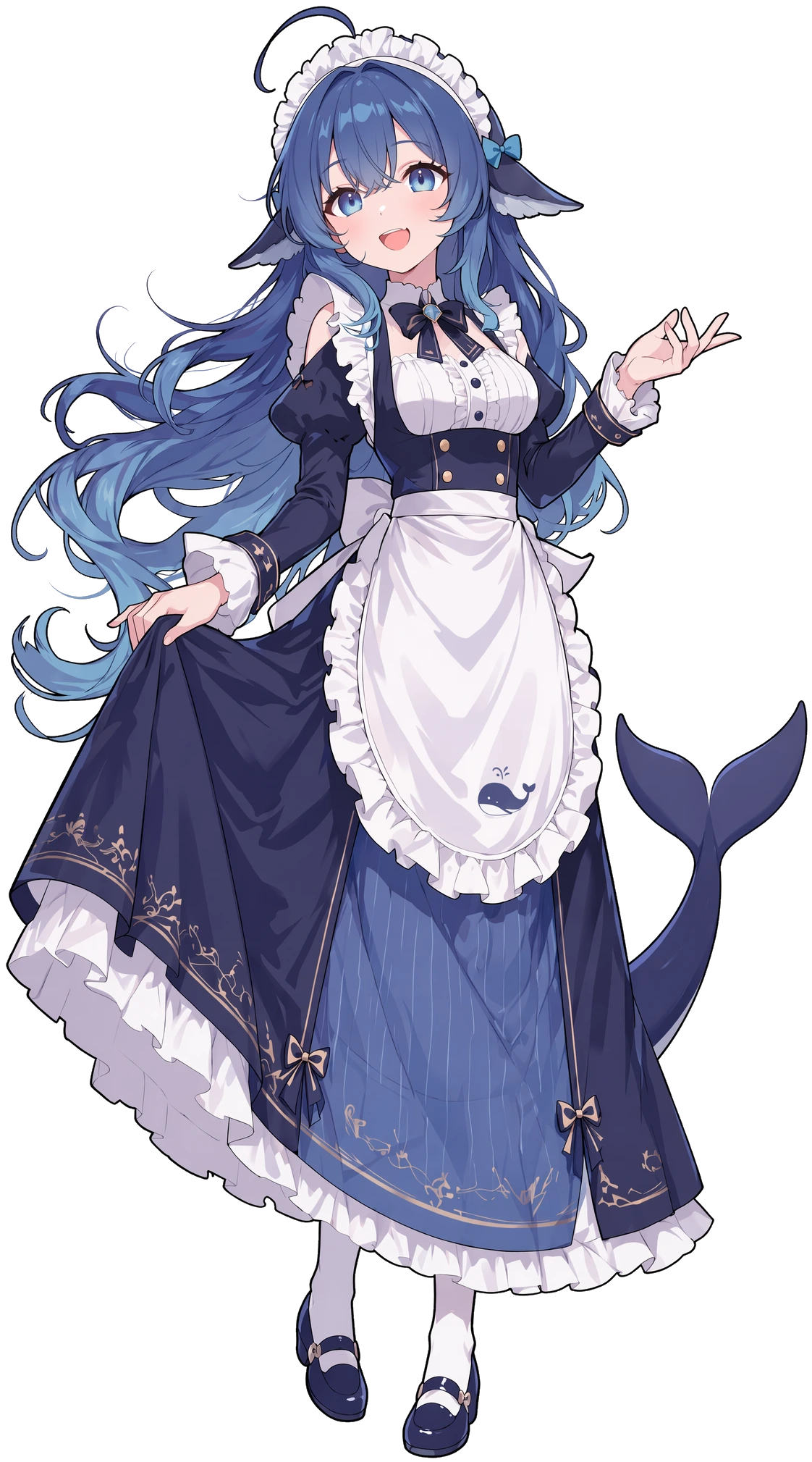
DeepSeek · Whale Girl |
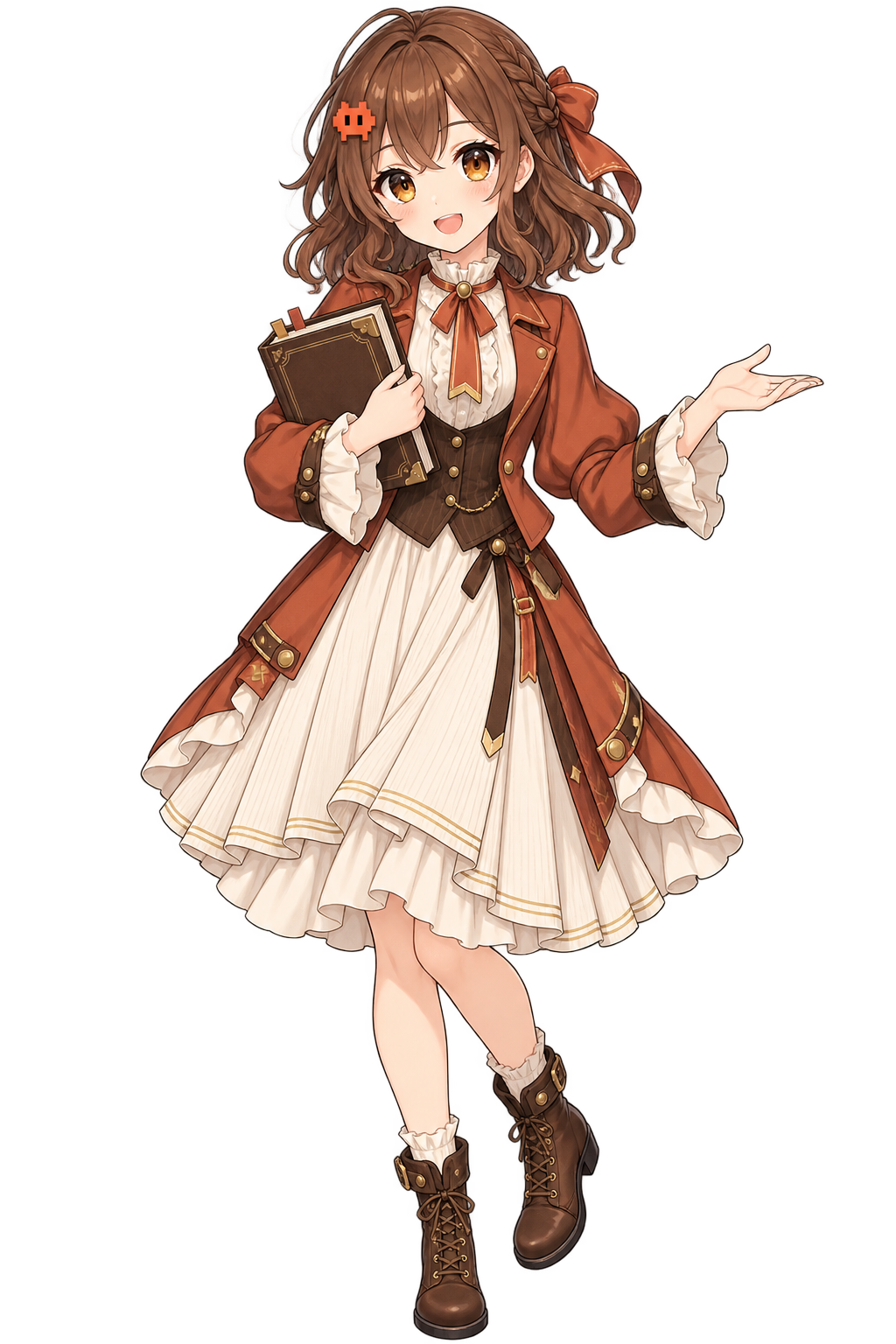
Claude · 克洛德 |
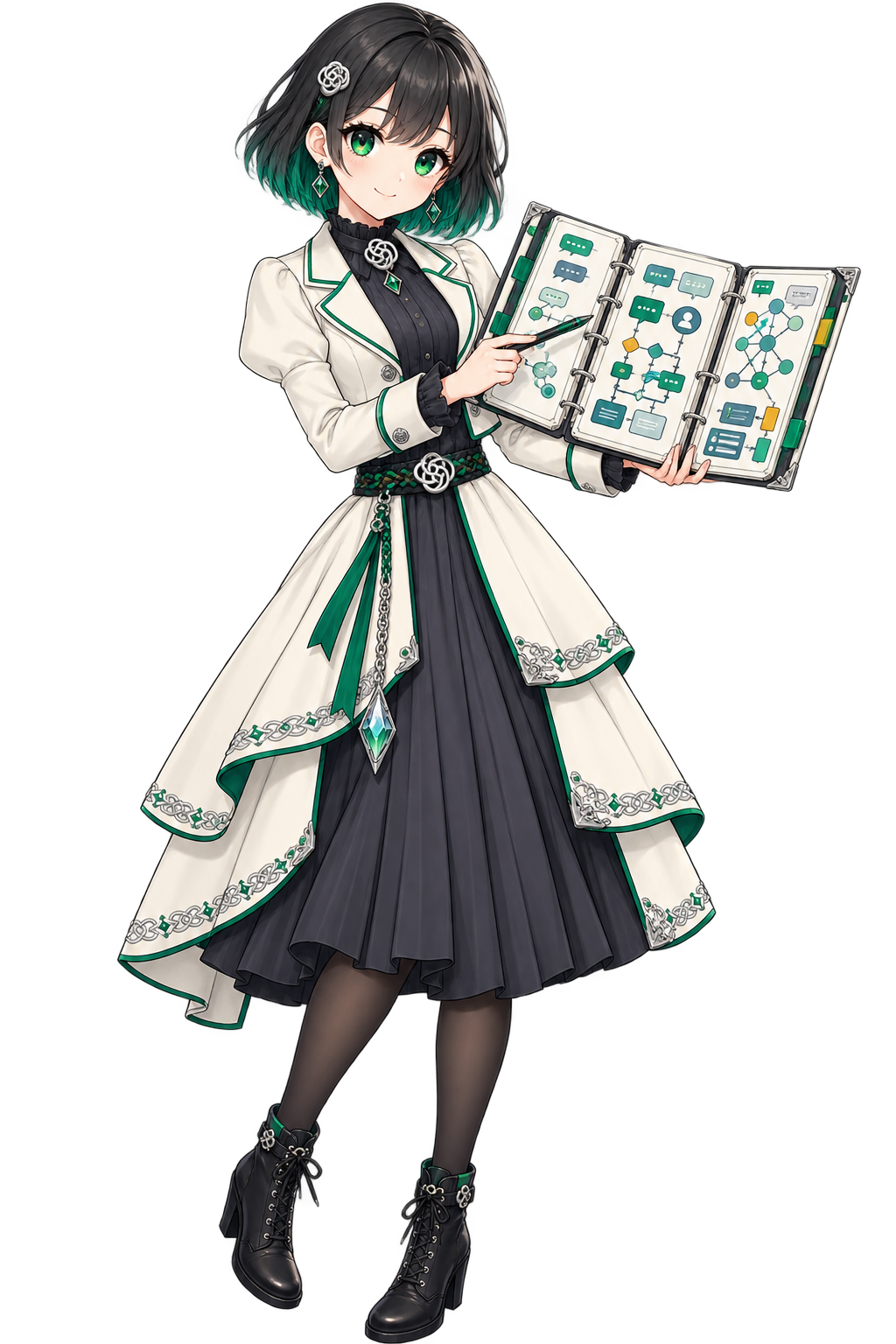
GPT · 小吉 |
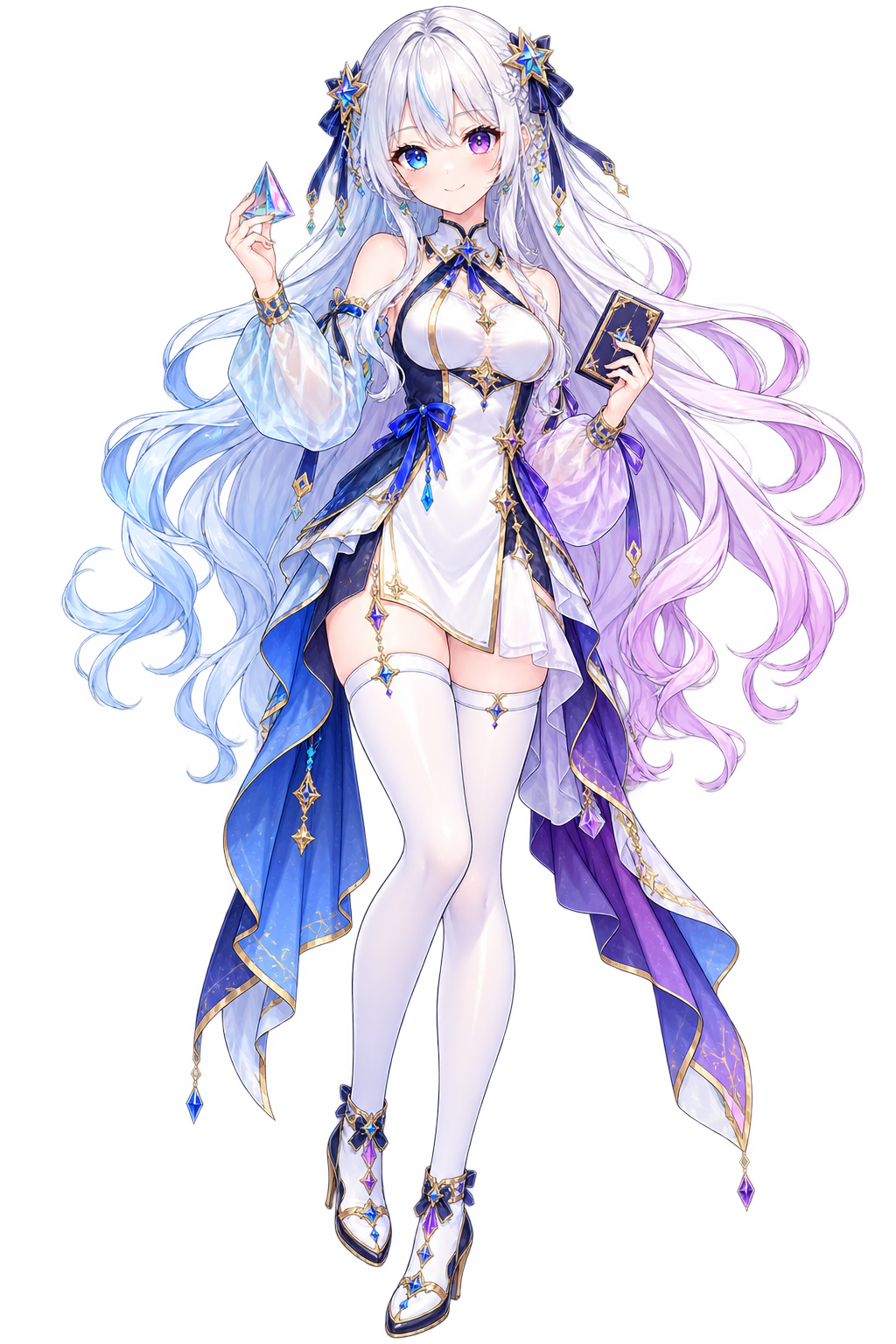
Gemini · 双子 |
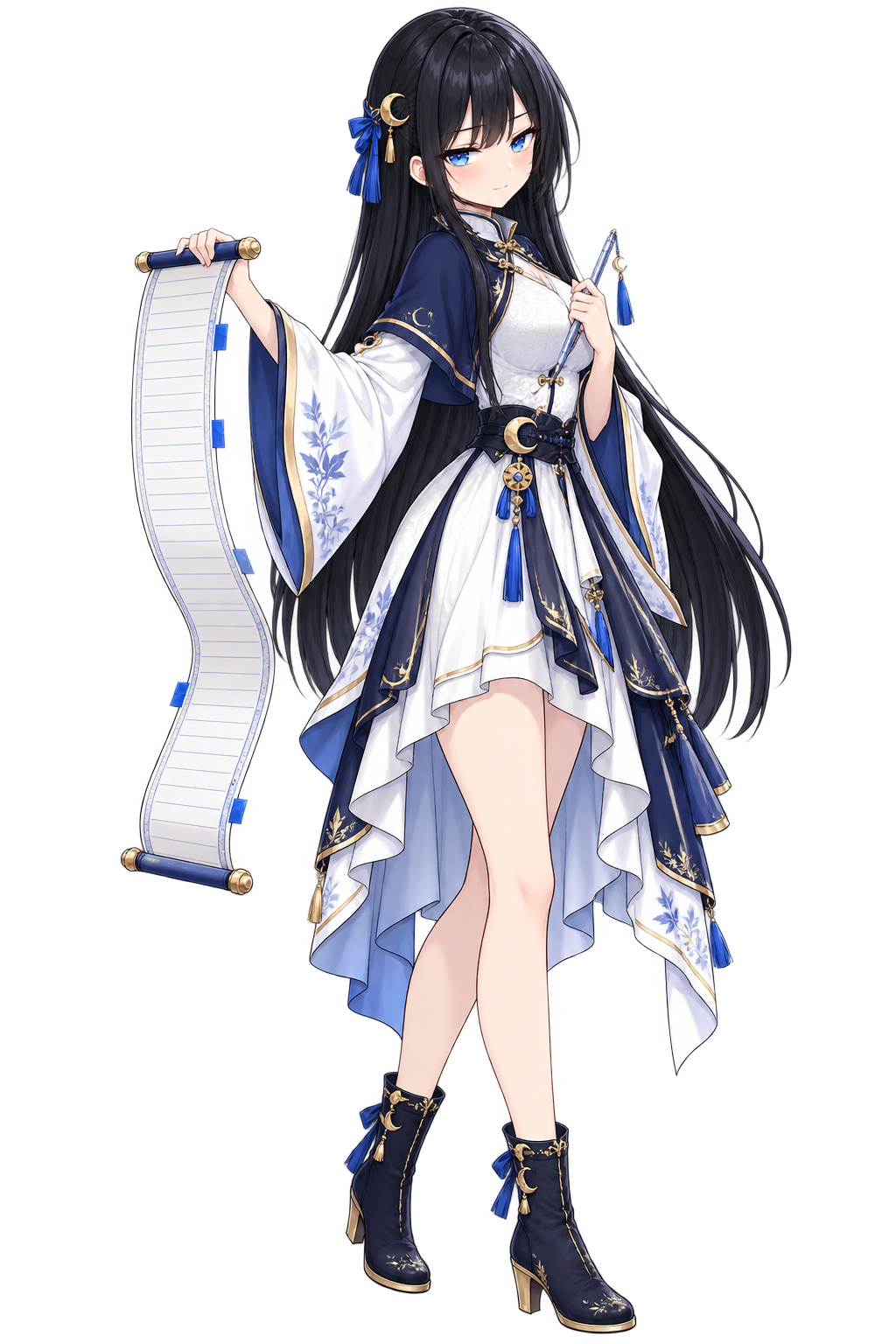
Kimi · 月见 |
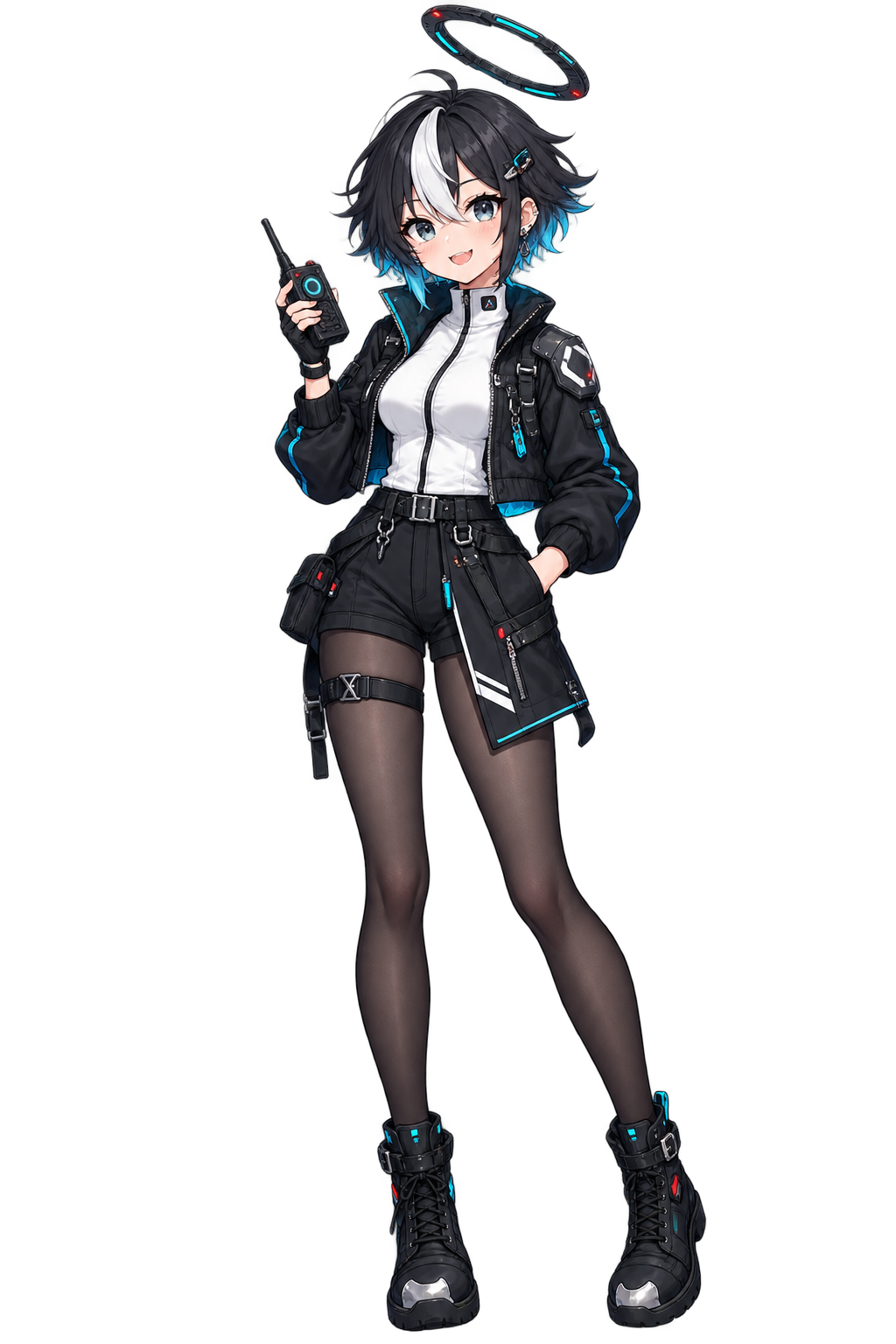
Grok · 洛可 |
The six new role backgrounds are shown below. Claude, GPT, Gemini, Kimi, and Grok use their matching scene by default. DeepSeek keeps `palace-night.webp` as the whale-girl default; the seaside study shown here is a selectable built-in alternative.
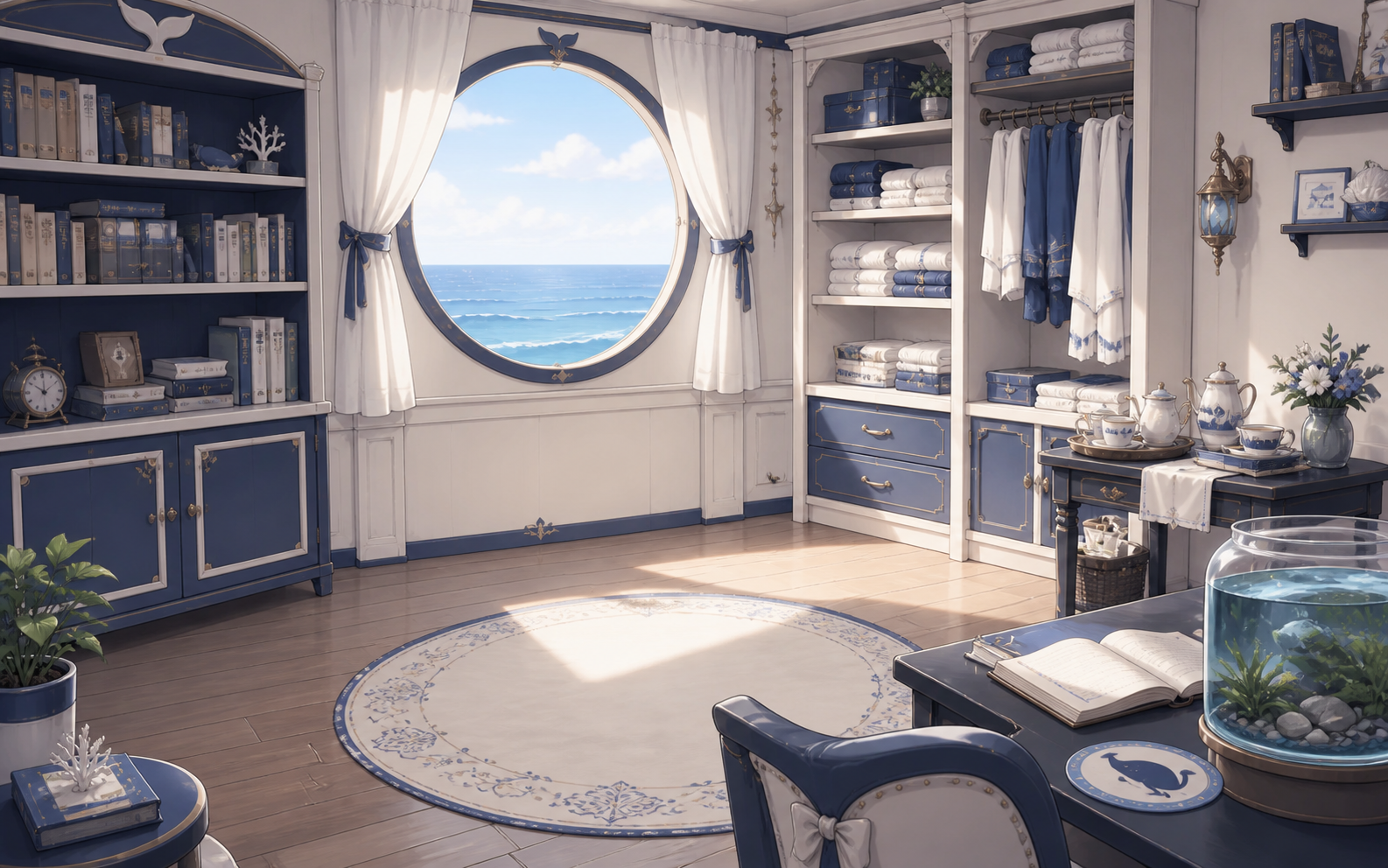
DeepSeek · optional |
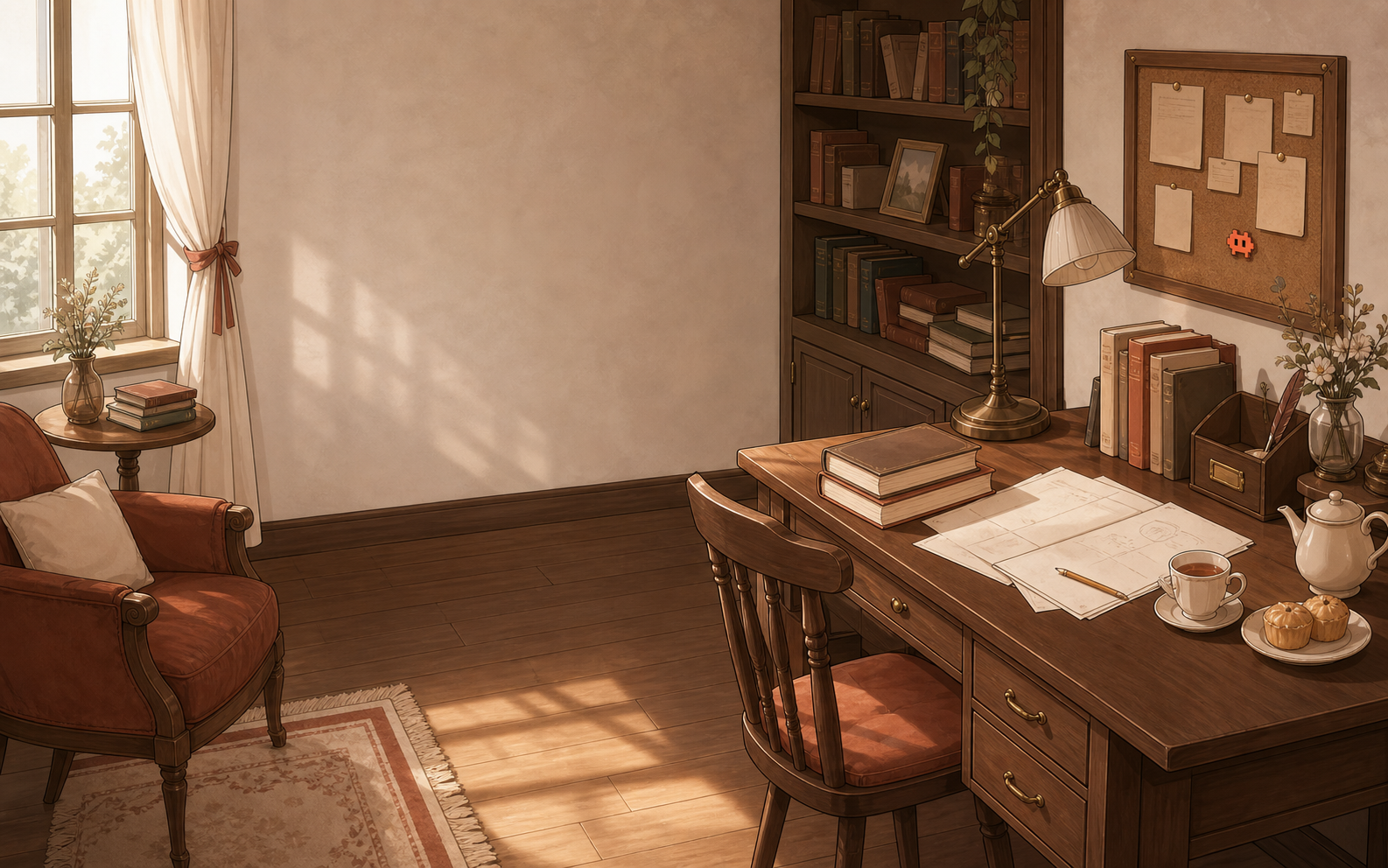
Claude |
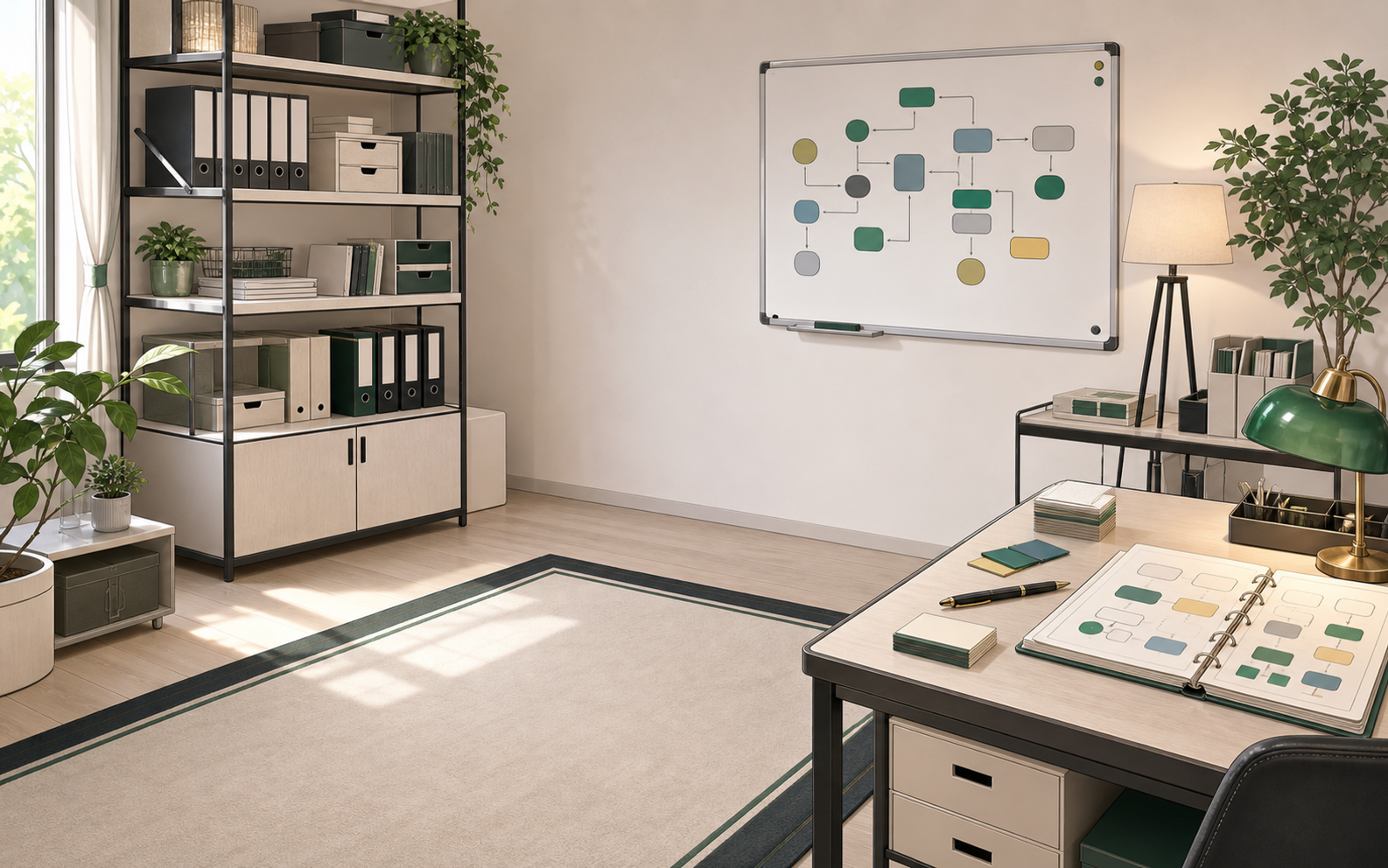
GPT |
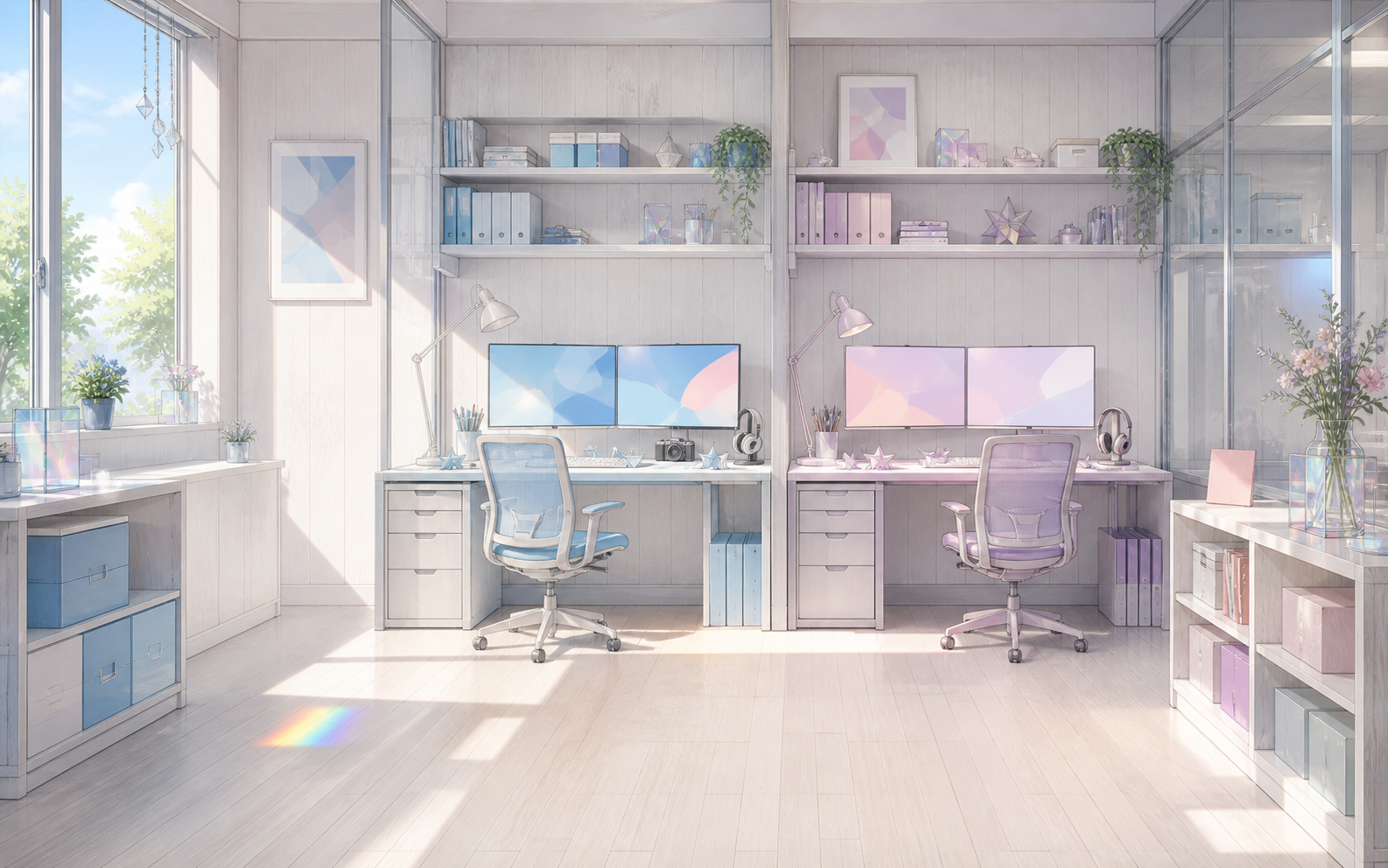
Gemini |
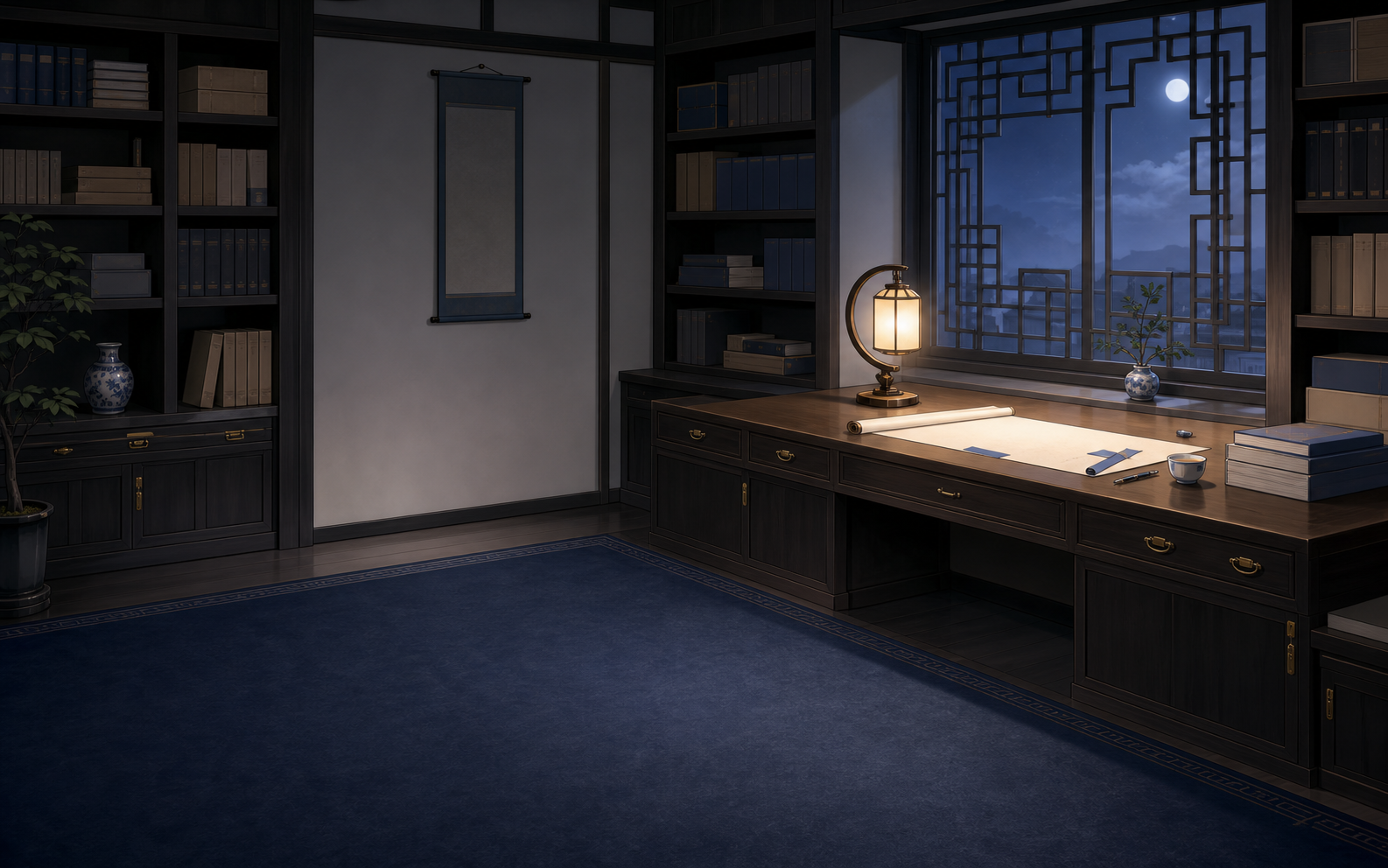
Kimi |
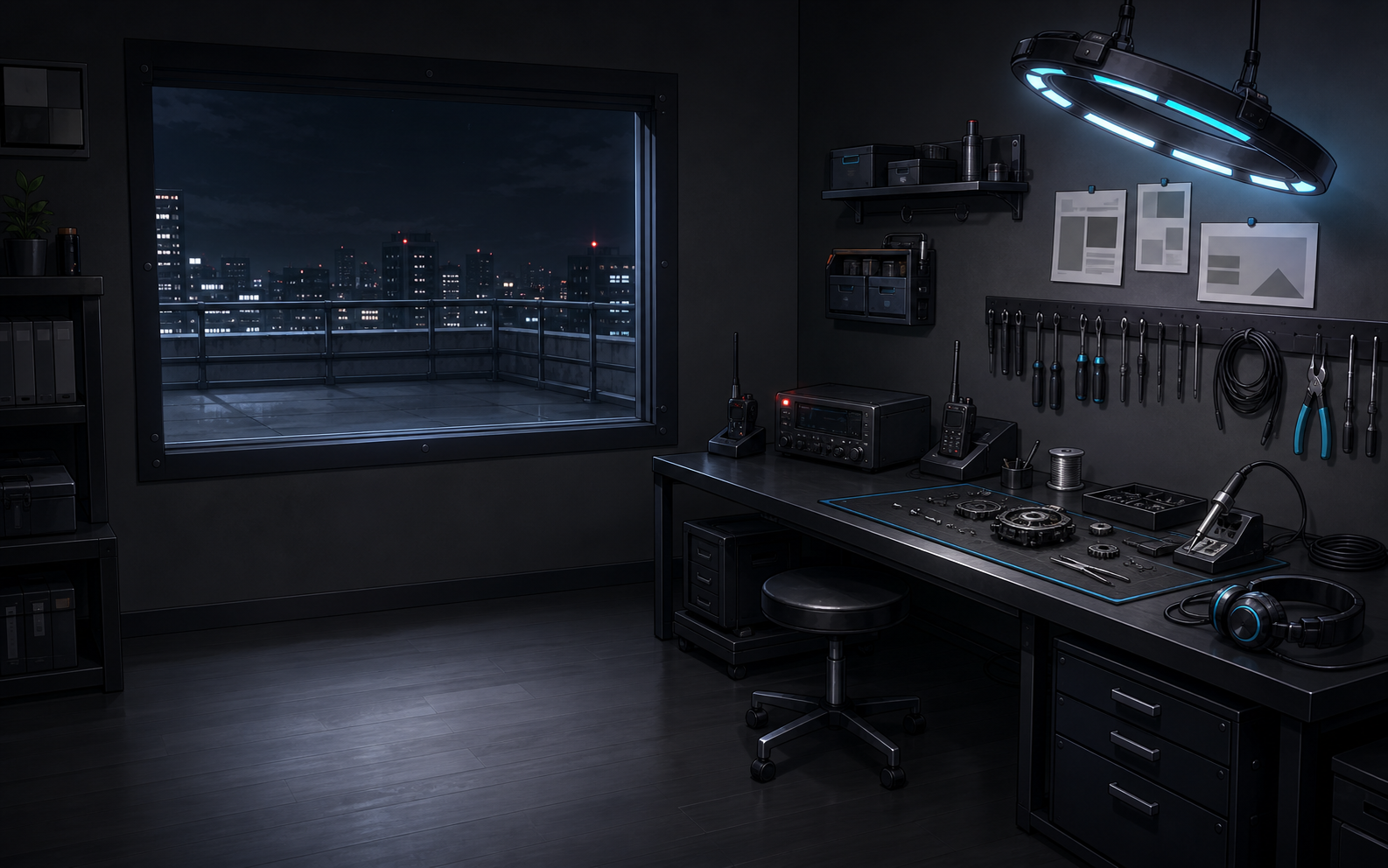
Grok |
The remaining runtime assets comprise eight full-resolution transparent `whale-*.png` expression images and the 8-column × 11-row `pet-spritesheet.webp` animation atlas. The first 21 default images and the pet atlas use different licenses; see the [NOTICE](NOTICE.md) and [third-party license index](THIRD_PARTY_LICENSES.md) for sources, modifications, and file-by-file licensing.
The Galgame layout, dialogue box, controls, and decorations are public in [`src/client/index.ts`](src/client/index.ts); there is no undisclosed UI-image pack.
## Install
DeepSeek Harness must be installed with a working `dsh` command and Web profile.
~~~sh
dsh plugin --profile web add github:JAdpp/dsh-whale-galgame#main
~~~
After installation, stop the running Web profile and start it again:
~~~sh
dsh --profile web
~~~
If a source installation exposes the command as `pnpm dsh`, keep the same arguments.
### Update and remove
~~~sh
dsh plugin --profile web update @dsh-external/dsh-whale-galgame
dsh plugin --profile web remove @dsh-external/dsh-whale-galgame
~~~
Stop and restart the Web profile after either operation.
## Use and settings
The Galgame top bar controls the displayed character and actual dialogue model. It also accepts a background or a sprite for the current role. PNG, JPEG, WebP, and AVIF are supported, with a 12 MB browser-side limit per file.
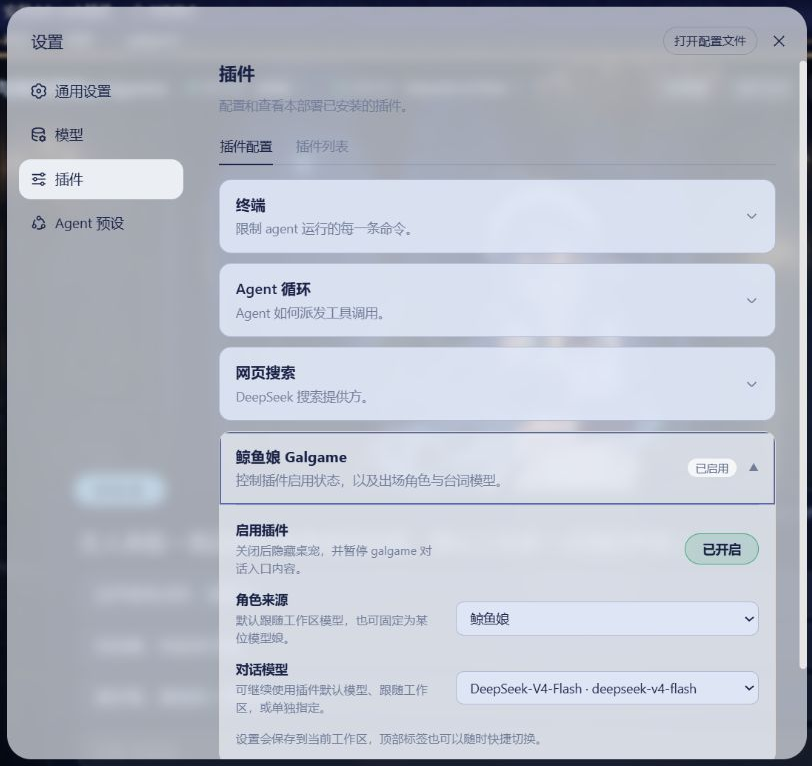
Settings → Plugins → Plugin configuration contains the plugin toggle and the default character and reply-model choices. Disabling the plugin pauses Galgame dialogue and affection settlement without deleting existing data.
### Customize a character profile
Select **Character profile**, next to **Character sprite** in the Galgame top bar, to edit six fields for the current role:
- Character nickname
- What the character calls the user
- First greeting
- Personality
- Speaking style
- CG appearance description
Custom profiles are stored separately for all six roles and shared across every workspace. **Save profile** and **Restore defaults** change only these six fields for the current role; neither resets that role's affection or level, long-term memory, or custom sprite. Before any real user/role exchange, changing or restoring **First greeting** updates the opening greeting in place while leaving any automatic entrance narration untouched. Once a real exchange exists, the plugin will not insert, replace, or replay it in the history. The CG appearance description guides future level-up CGs and does not rewrite images already saved in the gallery.
Custom profile text cannot override the plugin's safety constraints or its one-sentence reply limit.
### Built-in desktop pet
The desktop pet ships inside this plugin; no separate installation is needed. It is enabled by default for new installations and appears in the lower-right corner of the main DSH interface. Clicking it opens the `galgame` tab. The **Desktop pet · On/Off** control in the Galgame top bar is an independent visibility switch. **Enable plugin** under Settings → Plugins → Plugin configuration controls the whole plugin; disabling it hides the pet and pauses Galgame dialogue and affection settlement.
## Optional generated CGs
Level-up CGs use DashScope `qwen-image-3.0` at 1920 × 1080 by default. Without a DashScope key, chat, role switching, history, affection, and custom images still work; only CG generation is unavailable.
Provide the key only through the local environment that starts DSH:
~~~powershell
$env:DASHSCOPE_API_KEY = 'your-local-key'
dsh --profile web
~~~
~~~sh
DASHSCOPE_API_KEY='your-local-key' dsh --profile web
~~~
Do not write a real key into repository files or commit one to Git.
## Data and privacy
Runtime data is split into two layers; treat both as private data:
- `DSH_HOME/storages/dsh-whale-galgame/global.json` stores the complete continuous Galgame state: the current role; each role's relationship progress, profile, dialogue history, current reply choices, consumed-task memory, custom sprite, CG gallery, and background; the global task-event feed, token-settlement balance, deduplication fingerprints, and plugin preferences.
- `.whale-girl-save.json` at the active workspace root now contains only a lightweight event-source and legacy-migration marker. It no longer keeps a separate story, dialogue, task-memory, or token ledger.
- A new workspace immediately continues the same current role, dialogue history, reply choices, and relationship progress. Workspace and session identities are used only to locate Harness event sources and deduplicate collection; they do not restart the story or show the former cross-workspace refusal page.
- The first time an old v9 workspace save is opened, the plugin merges its migratable story and role data into the global file above, then rewrites that workspace's `.whale-girl-save.json` as a source/migration marker.
- Ordinary dialogue is sent to the model provider selected in DSH.
- Generating a level-up CG sends a text prompt to DashScope.
- User-uploaded backgrounds and sprites remain in the global save and are not included in either external request.
- Raw Harness text is never written to a Galgame save. Global state keeps only fixed category and status cues, opaque deduplication fingerprints, and last-mention times; external requests likewise receive only fixed category and status cues.
This plugin repository's `.gitignore` cannot protect a different workspace automatically. If the active workspace is itself a Git repository, add these entries to that workspace's `.gitignore`:
~~~gitignore
.whale-girl-save.json
.whale-girl-save.*.json
~~~
## Development
~~~sh
npm ci
npm run sanitize:backgrounds
npm run embed:art
npm run export:art
npm run verify
~~~
The repository commits installable `lib/index.js` and `lib/client.js` bundles. Rebuild and commit both after changing `src/`. `npm run sanitize:backgrounds` strips non-visual PNG metadata from the six role backgrounds, `npm run embed:art` writes the allowlisted files into the runtime source, and `npm run export:art` reproduces all 22 public assets for byte-level checking.
## License and credits
Code, the Galgame UI implementation, and documentation are covered by the [MIT License](LICENSE.md). The six character sprites, seven built-in backgrounds, and eight whale-girl expressions—21 default images in total—are distributed under [CC BY-NC-SA 4.0](https://creativecommons.org/licenses/by-nc-sa/4.0/); project-produced AI-assisted images are offered under that license only to the extent the maintainer holds the applicable rights. The `pet-spritesheet.webp` atlas and code directly inherited from [dsh-deepseek-girl-pet](https://github.com/f0909172434/dsh-deepseek-girl-pet) retain its MIT license. See the file-by-file [NOTICE](NOTICE.md) and preserved upstream texts in [`assets/default/licenses/`](assets/default/licenses/).
Finally, thank you to the people who made specific artwork and implementation knowledge available to the community:
- **上善** created the original whale-girl character: [Pixiv](https://www.pixiv.net/users/62155430) · [Bilibili](https://space.bilibili.com/4456176).
- **ZipZipPipe** added DeepSeek elements to that character in the maid whale-girl redesign: [Pixiv](https://www.pixiv.net/users/18604994) · [Bilibili](https://space.bilibili.com/4168597).
- **Small-tailqwq** published the deep-sea palace background, whale-girl standing sprite, and Galgame UI decorations reused here in [dsh-deep-whale](https://github.com/Small-tailqwq/dsh-deep-whale), together with the full attribution chain. This project built eight additional expression images from that material.
- **f0909172434 / [dsh-deepseek-girl-pet](https://github.com/f0909172434/dsh-deepseek-girl-pet)** released the DSH whale-girl desktop pet under MIT. This plugin's pet feature is a derivative of that project, and its `pet-spritesheet.webp` is identical to the upstream atlas. This project changed the plugin integration and visual styling and added the click-to-open-Galgame interaction.
- The Claude-, GPT-, Gemini-, Kimi-, and Grok-inspired sprites, six daily-life role backgrounds, and the Galgame UI are unofficial, AI-assisted project artwork. They are not official character designs, partnerships, or endorsements from the named companies.
If these open-source materials and implementations help you, consider starring [dsh-deep-whale](https://github.com/Small-tailqwq/dsh-deep-whale) and [dsh-deepseek-girl-pet](https://github.com/f0909172434/dsh-deepseek-girl-pet), or following 上善 and ZipZipPipe on Pixiv or Bilibili. Please report installation, runtime, or compatibility problems to [this repository's Issues](https://github.com/JAdpp/dsh-whale-galgame/issues) rather than asking the artists to troubleshoot plugin code.
DeepSeek, Claude, ChatGPT/GPT, Gemini, Kimi, Grok, and related marks belong to their respective owners. This is an unofficial community plugin and is not affiliated with, partnered with, or endorsed by those owners.
## Related projects
- [gal-view](https://github.com/Ayase34/gal-view)
- [dsh-galgame](https://github.com/Lanxing6480/dsh-galgame)
- Upstream desktop-pet project (already built in; no separate installation needed): [dsh-deepseek-girl-pet](https://github.com/f0909172434/dsh-deepseek-girl-pet)
If you enjoy these projects, consider giving their repositories a Star.