# Omagen
**Turn an image into an Omarchy desktop that feels like yours.**
Generate a complete theme, explore meaningful variations, preview the result
without committing to it, and apply it safely when it feels right.
[](https://github.com/prettyletto/omagen/actions)
[](README.md)
[](../../LICENSE)
[Get started](#get-started) · [See the workflow](#the-omagen-workflow) · [Browse examples](examples/README.md) · [Read the product docs](#product-documentation)
> This is the canonical product README source. On `nightly` and `dev`, the
> repository root README intentionally remains developer-facing. The release
> workflow projects this document to the repository root for `main`.
## Get started
Omagen is built for Omarchy Quattro with Hyprland and Quickshell on Linux
x86_64. Install the stable repository through Omarchy's plugin manager, then
run the bundled package installer once so the same repository materializes both
Omagen plugin packages:
```zsh
omarchy plugin add https://github.com/prettyletto/omagen.git --enable --yes && \
"$HOME/.config/omarchy/plugins/pretty.omagen/install.sh" --bar-only
```
The first command installs and enables the Studio overlay. Omarchy's plugin
manager validates only the repository's root manifest, so the second command
also installs the separate `pretty.omagen.bar` package from the same checkout.
It does not select that bar; the native Quattro bar remains active until you
choose a full-bar preset in Omagen. The checked-in backend is used, so Go is not
required.
After updating the plugin with `omarchy plugin update pretty.omagen --yes`,
run `"$HOME/.config/omarchy/plugins/pretty.omagen/install.sh" --bar-only`
again to synchronize the full-bar package.
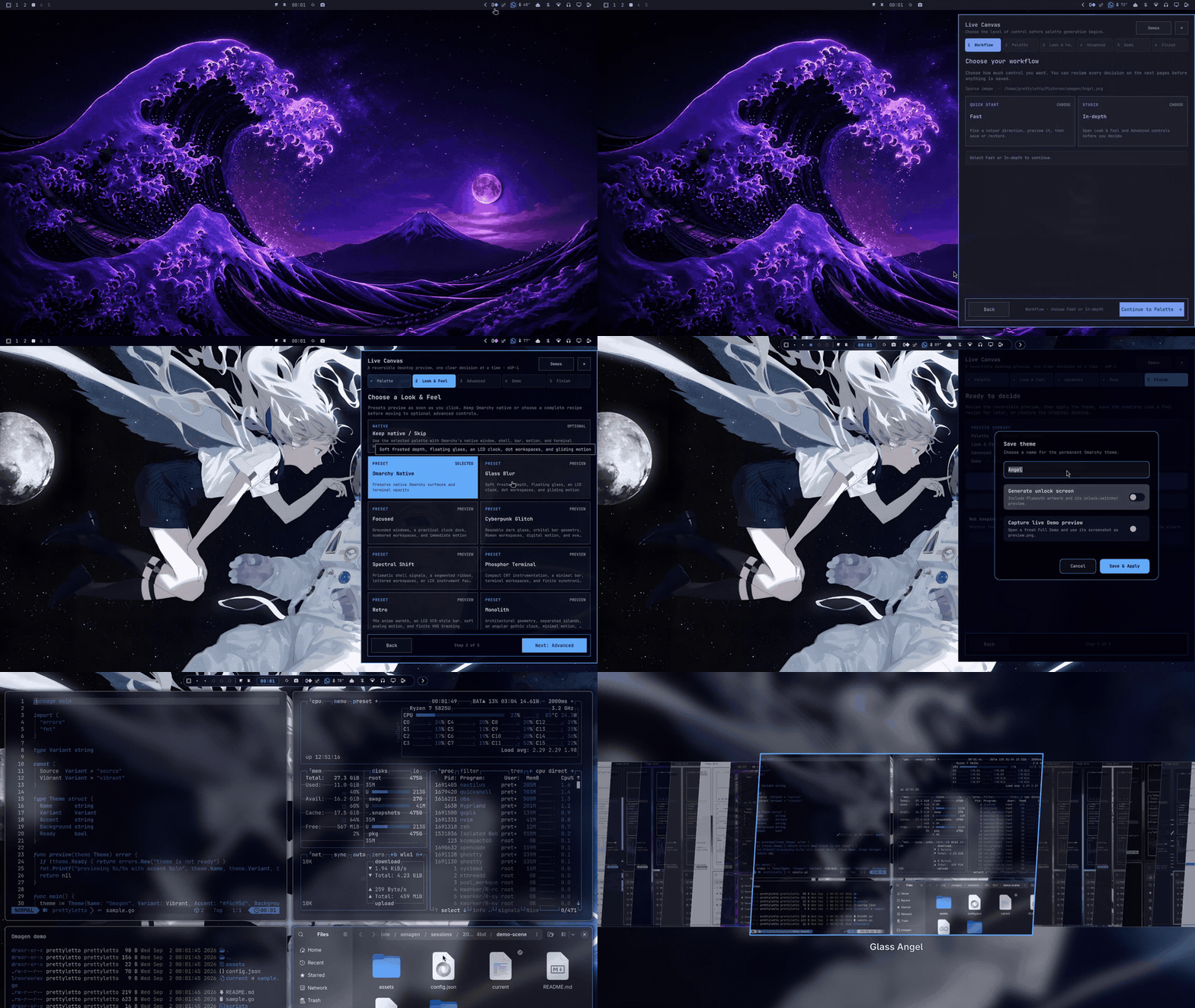
Then open Omagen from the Omarchy launcher, choose a local image, review a
palette direction, and use **Preview** or **Demo** before selecting **Apply**.
The [getting started guide](getting-started.md) covers requirements, first
launch, optional applications, and removal.
To remove the packages later:
```sh
omarchy plugin remove pretty.omagen --yes
omarchy plugin remove pretty.omagen.bar --yes
```
Removing the plugins does not delete permanent themes created by you. If an
Omagen session is active, use its recovery or restore path before removing
state manually.
## What is Omagen?
Omagen is an image-to-theme studio for [Omarchy Quattro](https://omarchy.org/).
It turns the colors and atmosphere of a source image into a coherent desktop
direction, then gives you a safe way to judge that direction before it becomes
permanent.
The experience is designed around a simple loop:
```text
image → palette directions → preview or Demo → apply or cancel
```
Omagen is one product suite with two technical plugin packages:
- `pretty.omagen` provides the Studio overlay, image generation, previews,
Demo, lifecycle, recovery, and the launcher/status widget.
- `pretty.omagen.bar` is the optional full-bar experience for users who want
Omagen's Bar presets and behavior as their active bar.
They remain separate because Omarchy registers overlays/widgets and full bars
as different plugin kinds. They are presented as one suite, but the full bar
is explicit and opt-in so installing Omagen does not silently replace the
native Quattro bar.
## Why Omagen?
- Start from an image you already like instead of tuning colors from scratch.
- Compare six generated directions: Source, Calm, Mute, Deep, Vibrant, and
Balanced.
- Preview Window, Shell, Bar, and Animation choices in context when you want
more than a palette.
- Open a temporary Demo workspace to judge the theme across real desktop
surfaces.
- Apply a named theme only when you are satisfied—or Cancel and leave the
current desktop unchanged.
- Recover an interrupted session through the durable session record instead of
guessing which temporary files are safe to remove.
## The Omagen workflow
### 1. Choose an image
Choose a local image in a common raster format. Omagen extracts representative
colors and keeps the selected image as the visual source for the session.
### 2. Explore directions
Review six palette directions generated by the same production pipeline used by
the applied theme. The gallery is meant to help you choose a mood, not just a
single dominant color.
### 3. Preview safely
Use Live Canvas to inspect the staged result. Use **Test live** for a reversible
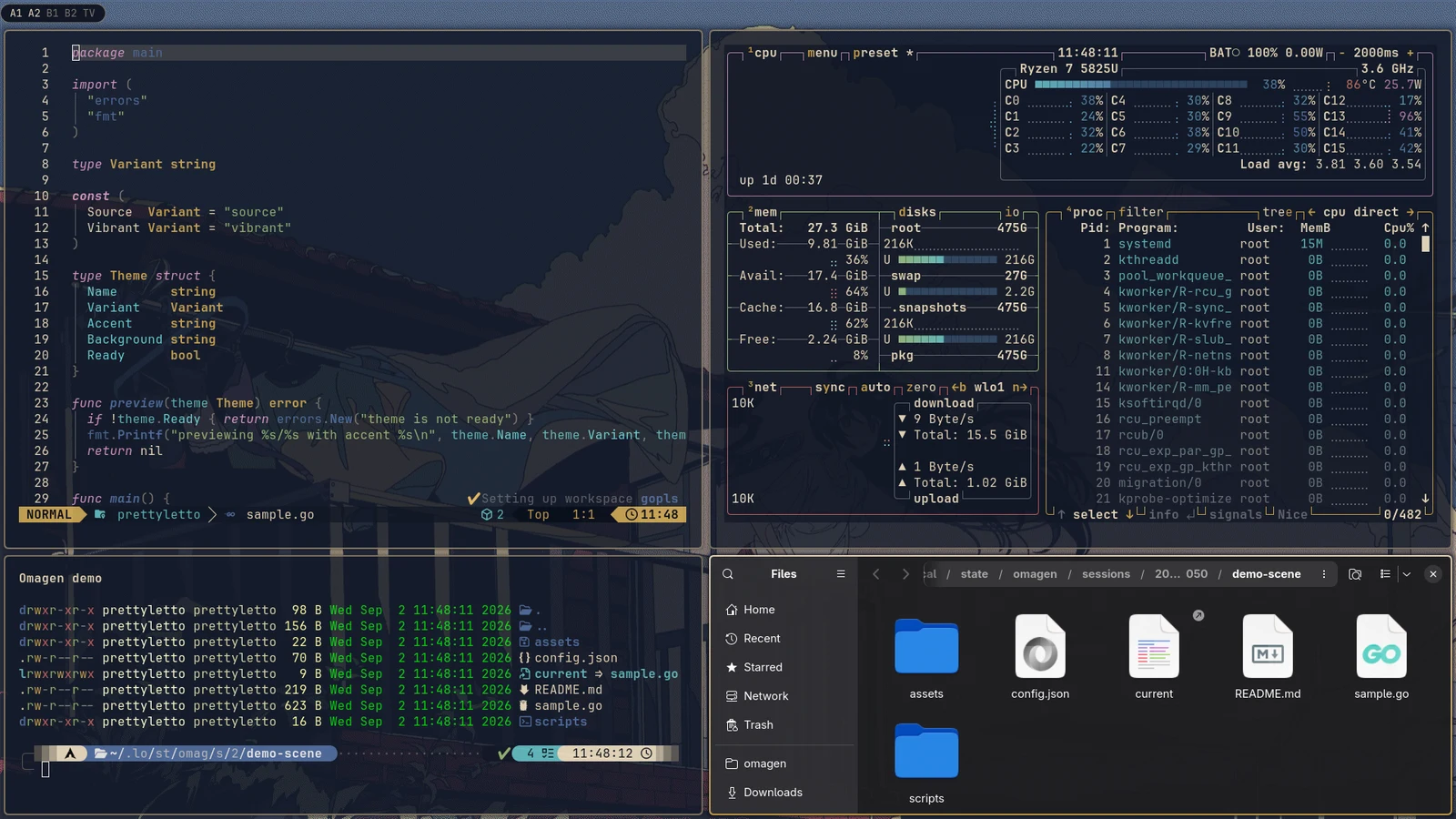
desktop preview, or open **Demo** to see the composition across a temporary
editor, terminal, system monitor, and file manager workspace.
### 4. Apply or cancel
**Apply** writes a named permanent theme after the staged session is ready.
**Cancel** restores the original theme, background, and Omagen-owned temporary
resources. **Quit** uses the same recovery path when a session is active.
### 5. Recover when interrupted
If Omagen or the shell is interrupted during a preview or Apply, the next
launch presents an explicit recovery choice. Restore the original desktop or
resume the staged workspace when it can still be verified safely.
## See it in action
[](https://youtu.be/juDJe0zWwZI)
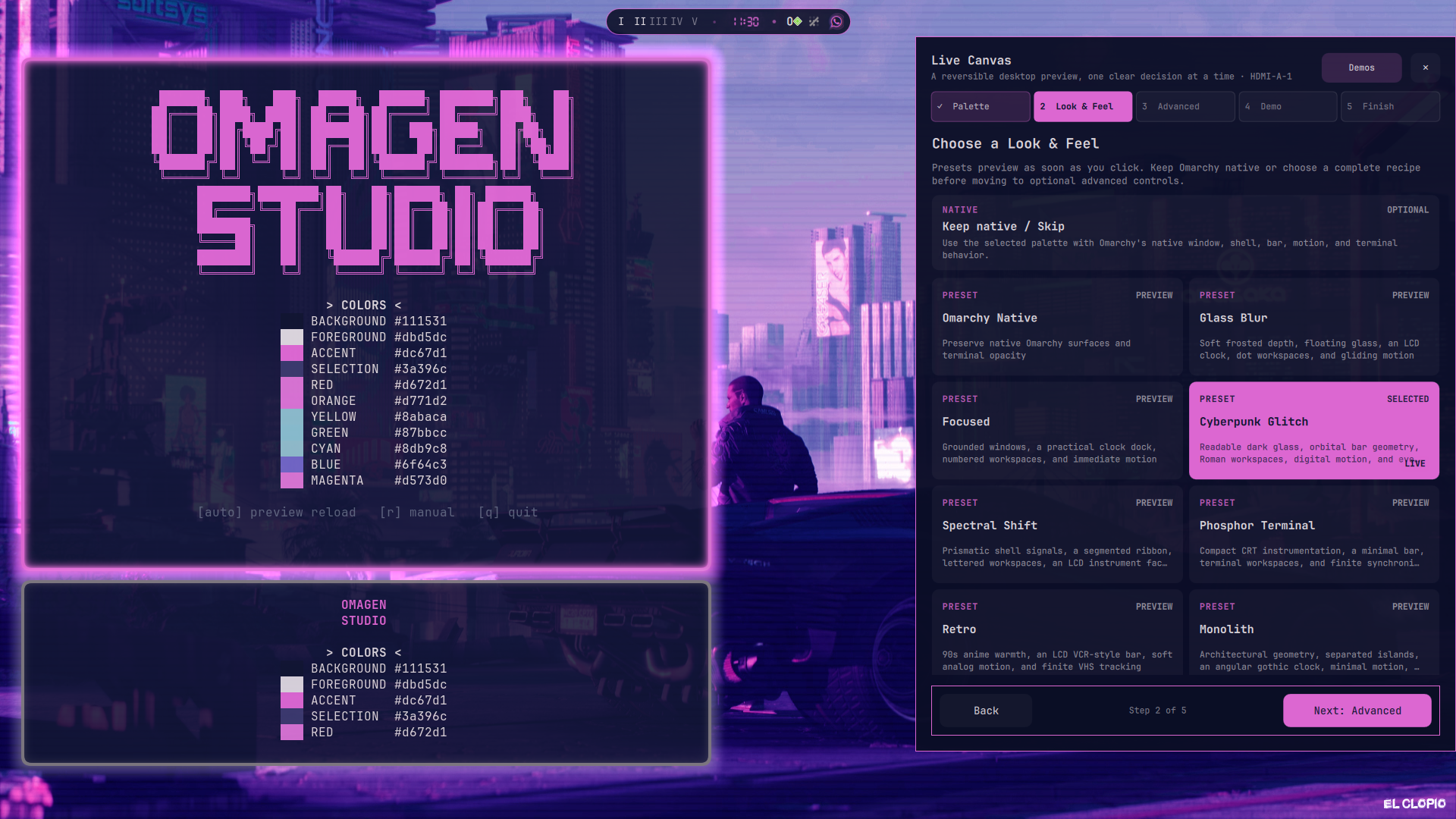
Watch the [full Omagen walkthrough on YouTube](https://youtu.be/juDJe0zWwZI)
for the image-to-theme flow, preview paths, Demo, and Apply experience.
## Bar examples
Here are a few examples of the optional Omagen bar direction across different
placements and information densities. The full bar is an opt-in part of the
Omagen suite; installing the core Studio does not silently replace Omarchy's
native bar.


See the [full bar example gallery](assets/screenshots/bar-examples/README.md)
for all seven layouts, placement variants, and capture notes.
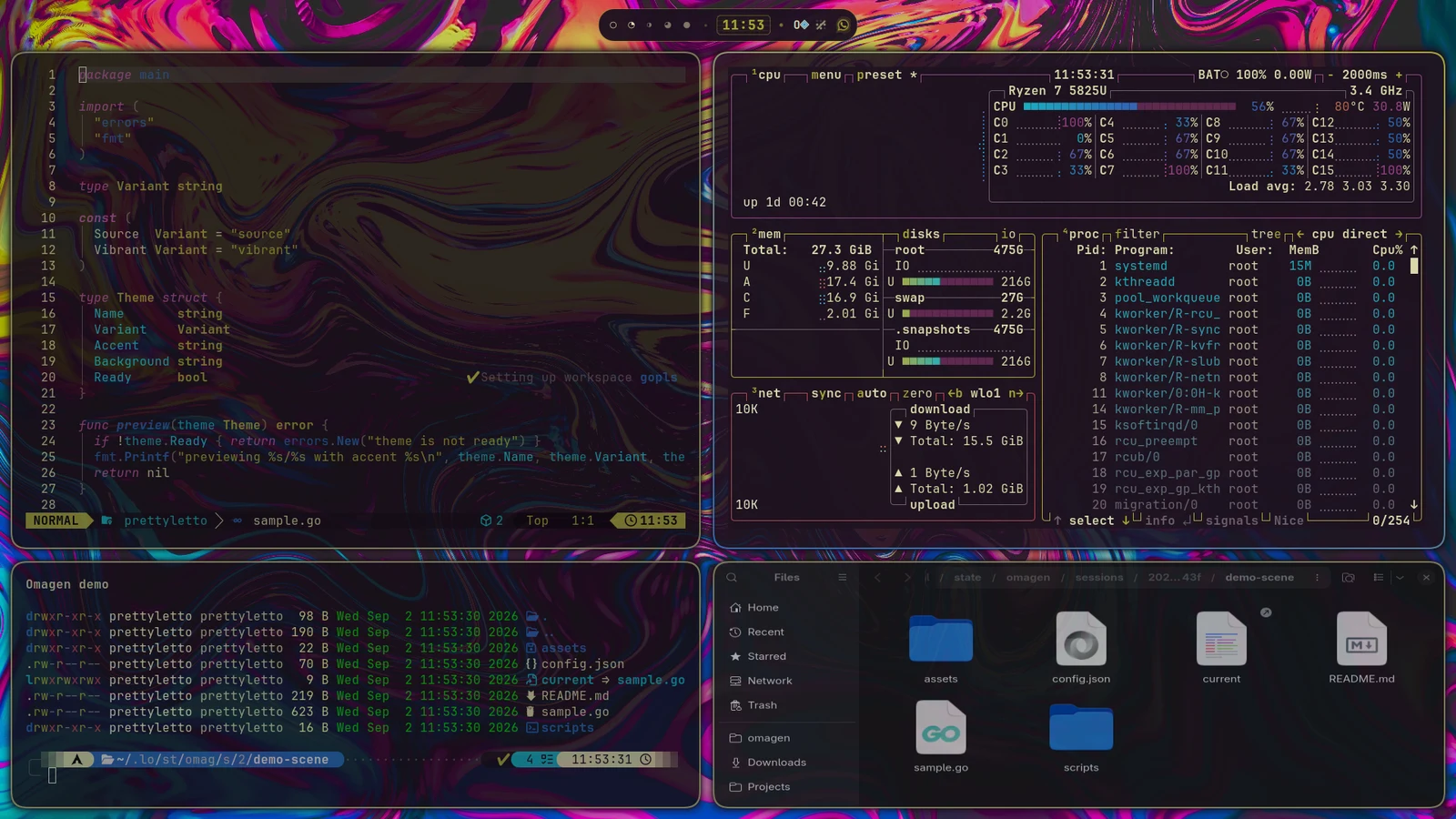
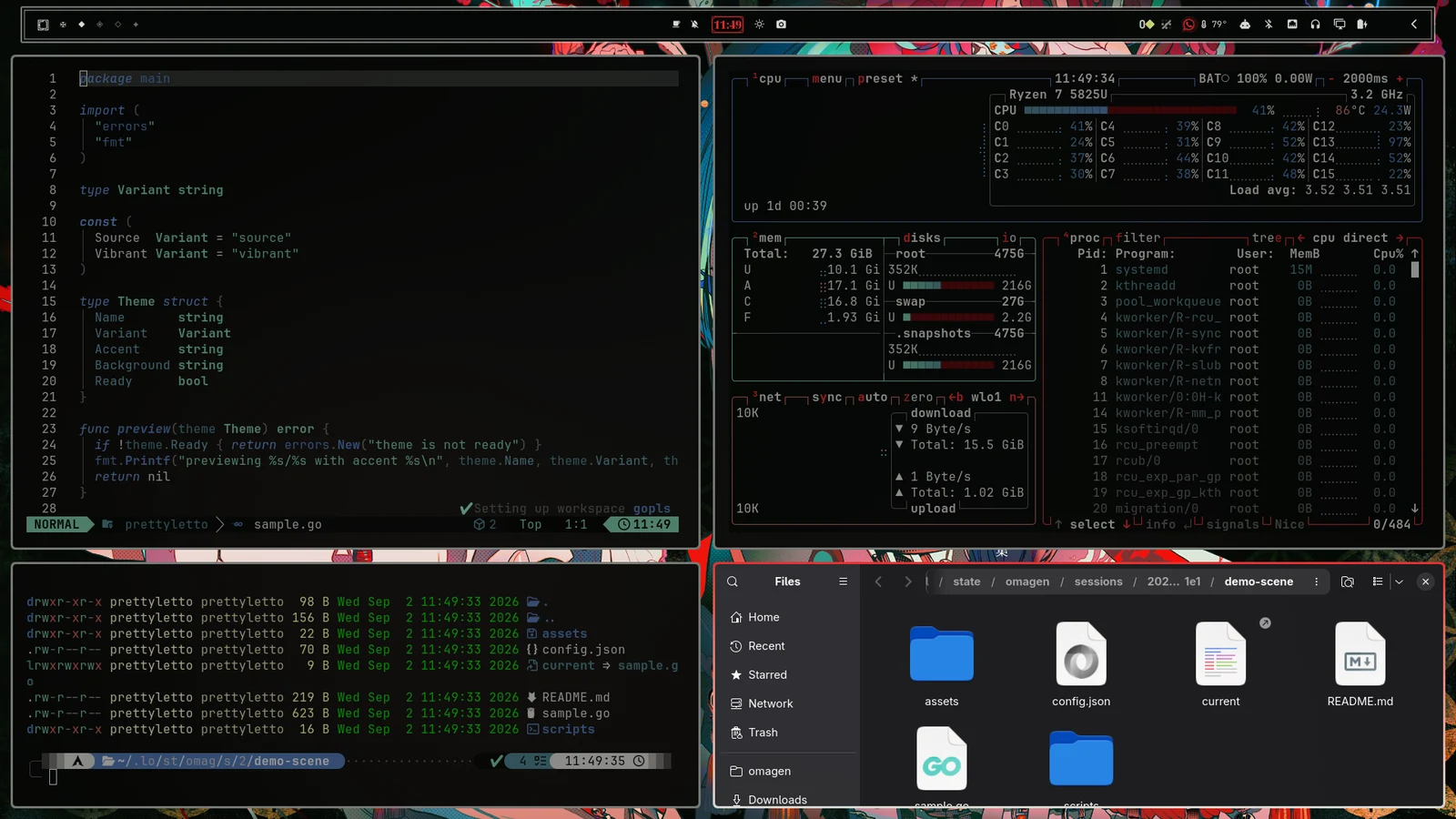
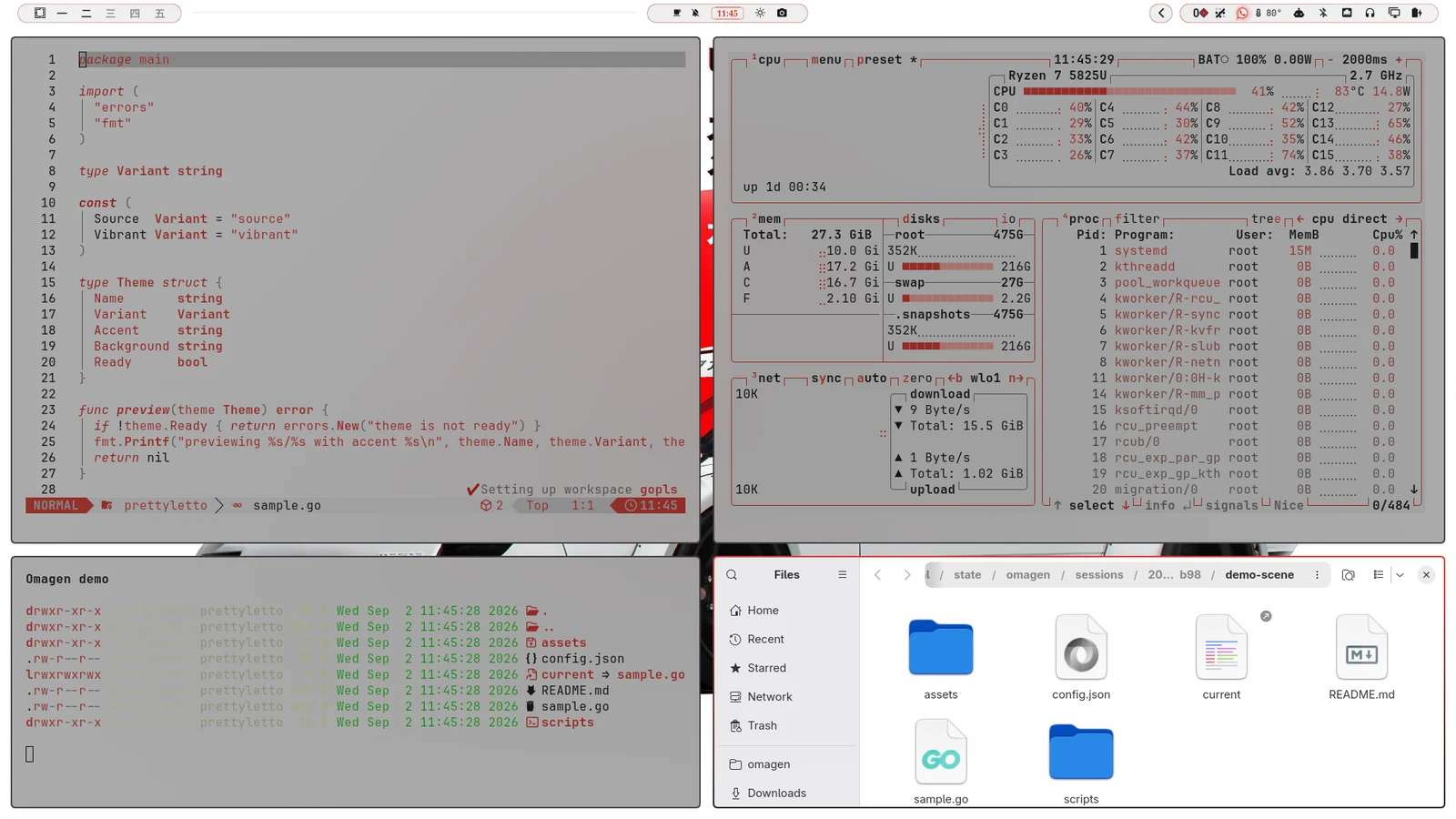
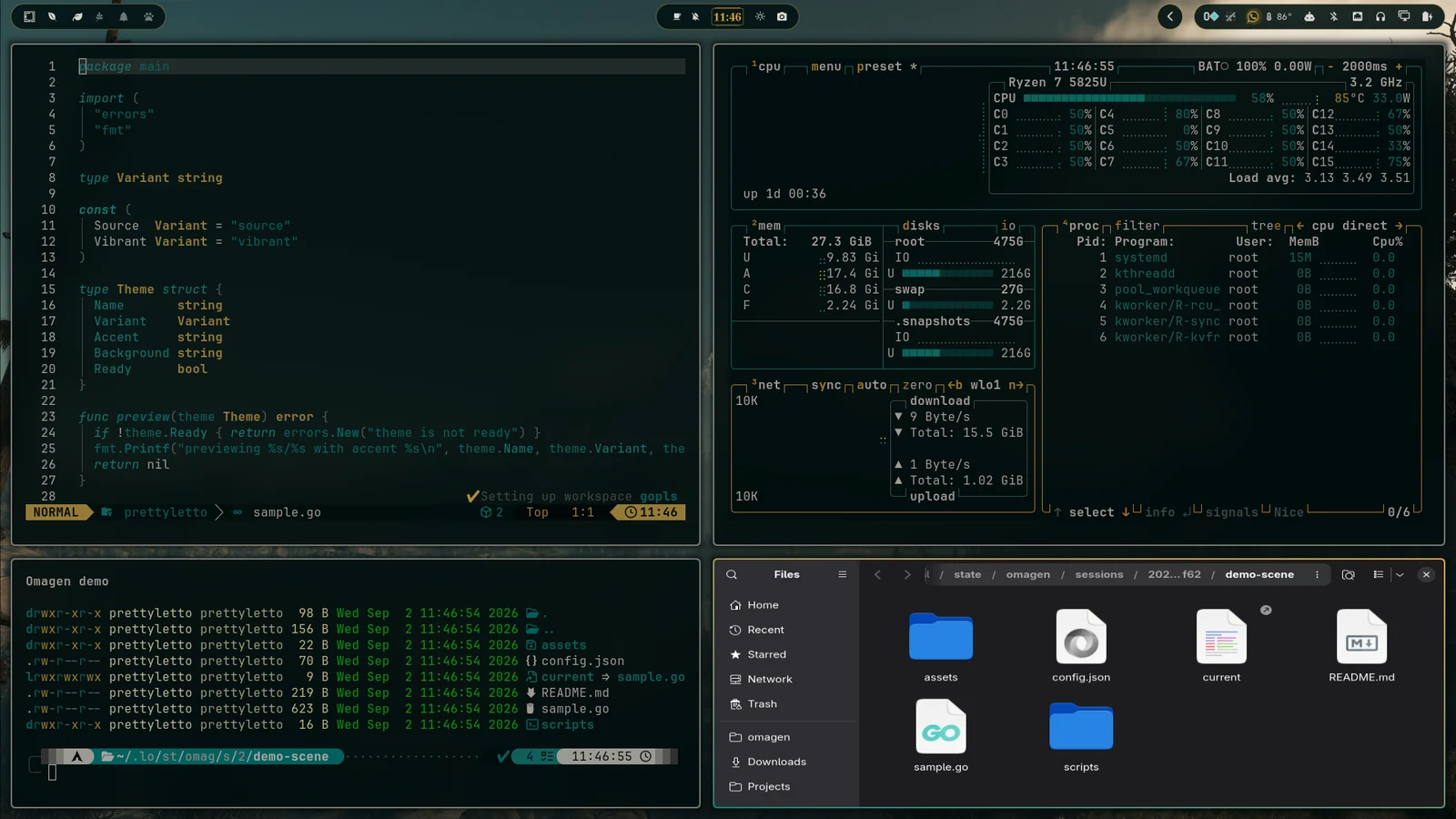
## New v2 examples
The v2 gallery pairs each generated theme's source background with its clean
desktop preview. These examples show the range of compositions Omagen can
produce from very different images.
| Theme | Source background | Generated preview |
| --- | --- | --- |
| Elastic Example | 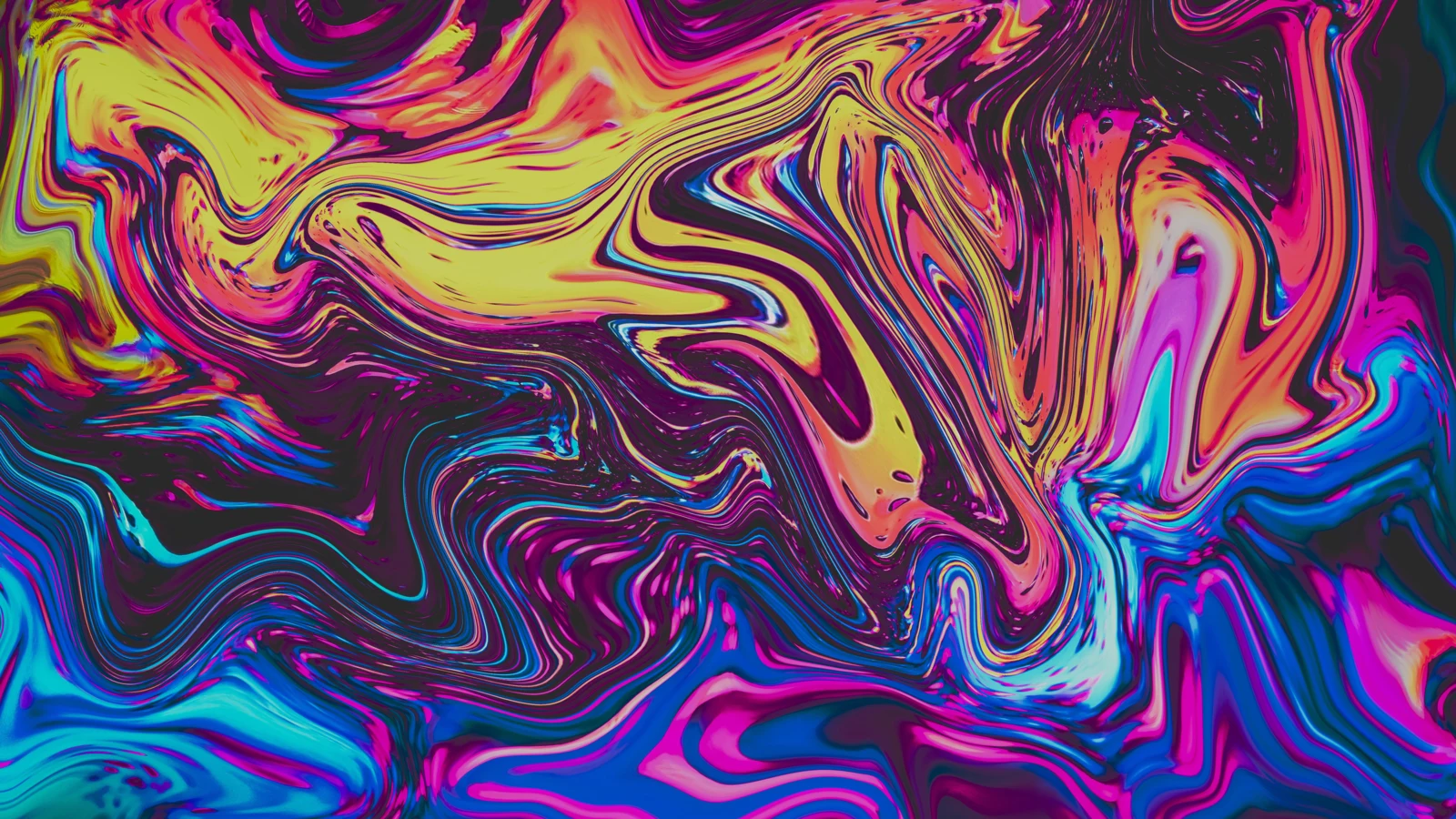 |
|  |
| Gothic Example |
|
| Gothic Example | 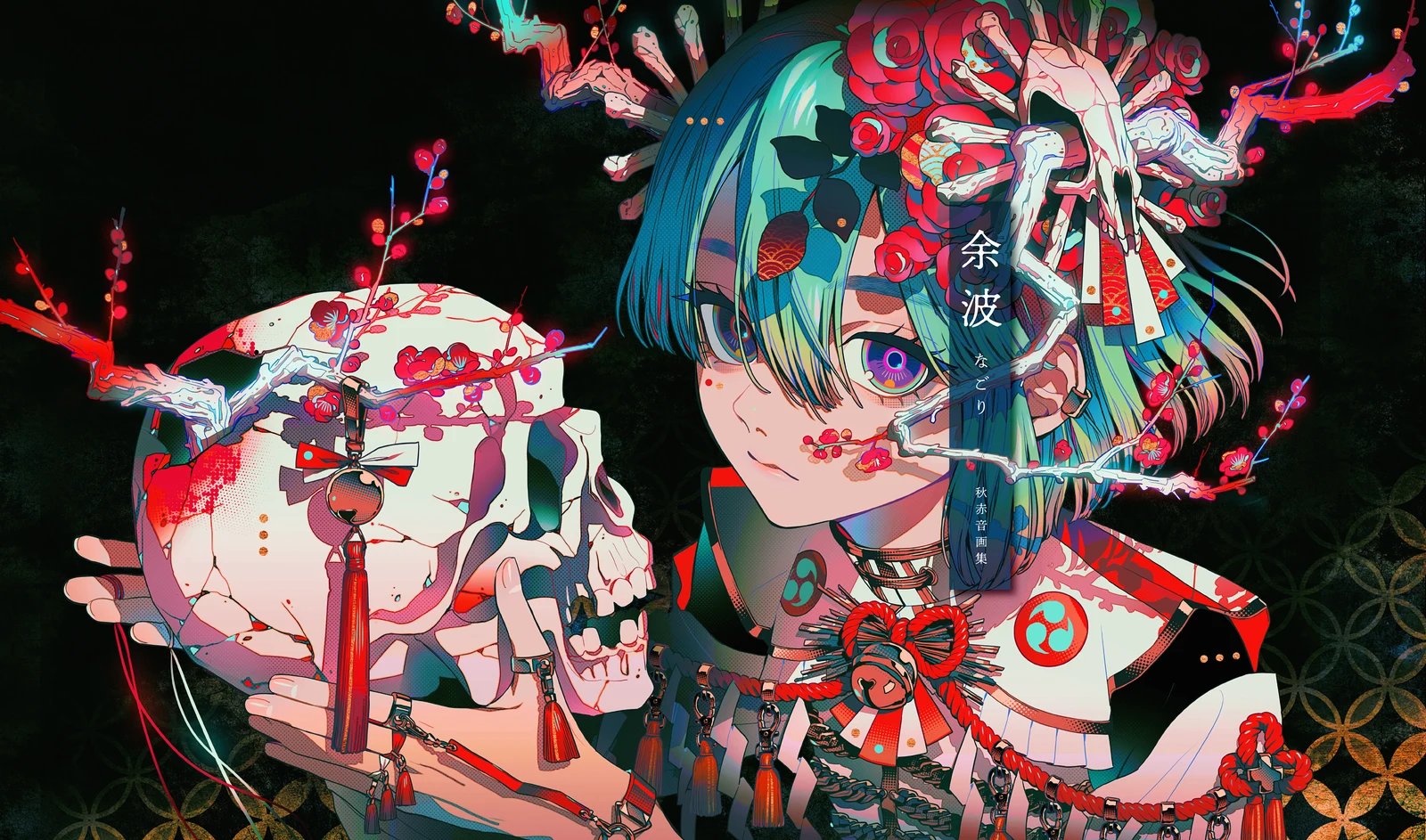 |
|  |
| Japan Example |
|
| Japan Example | 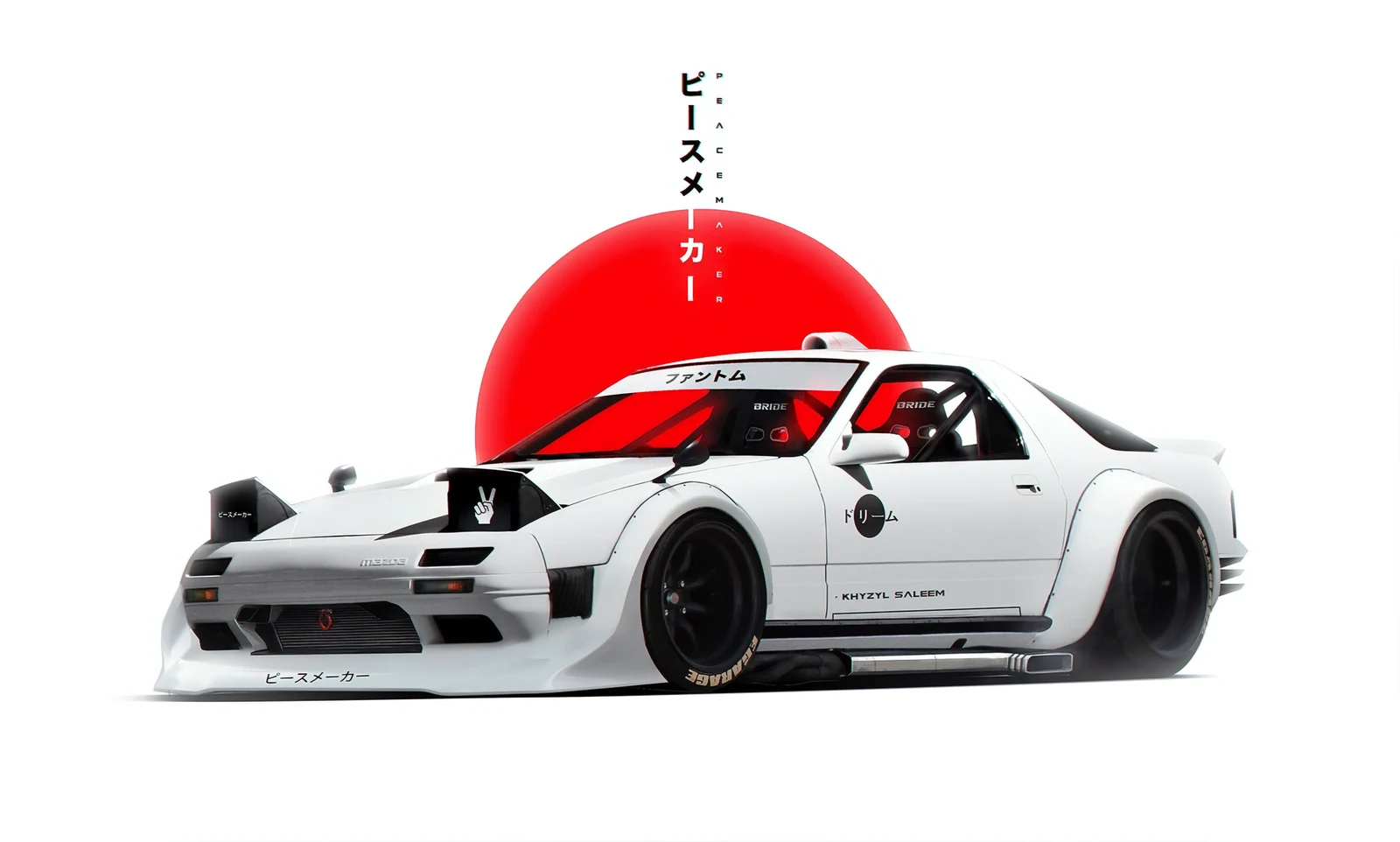 |
|  |
| Nature Example |
|
| Nature Example | 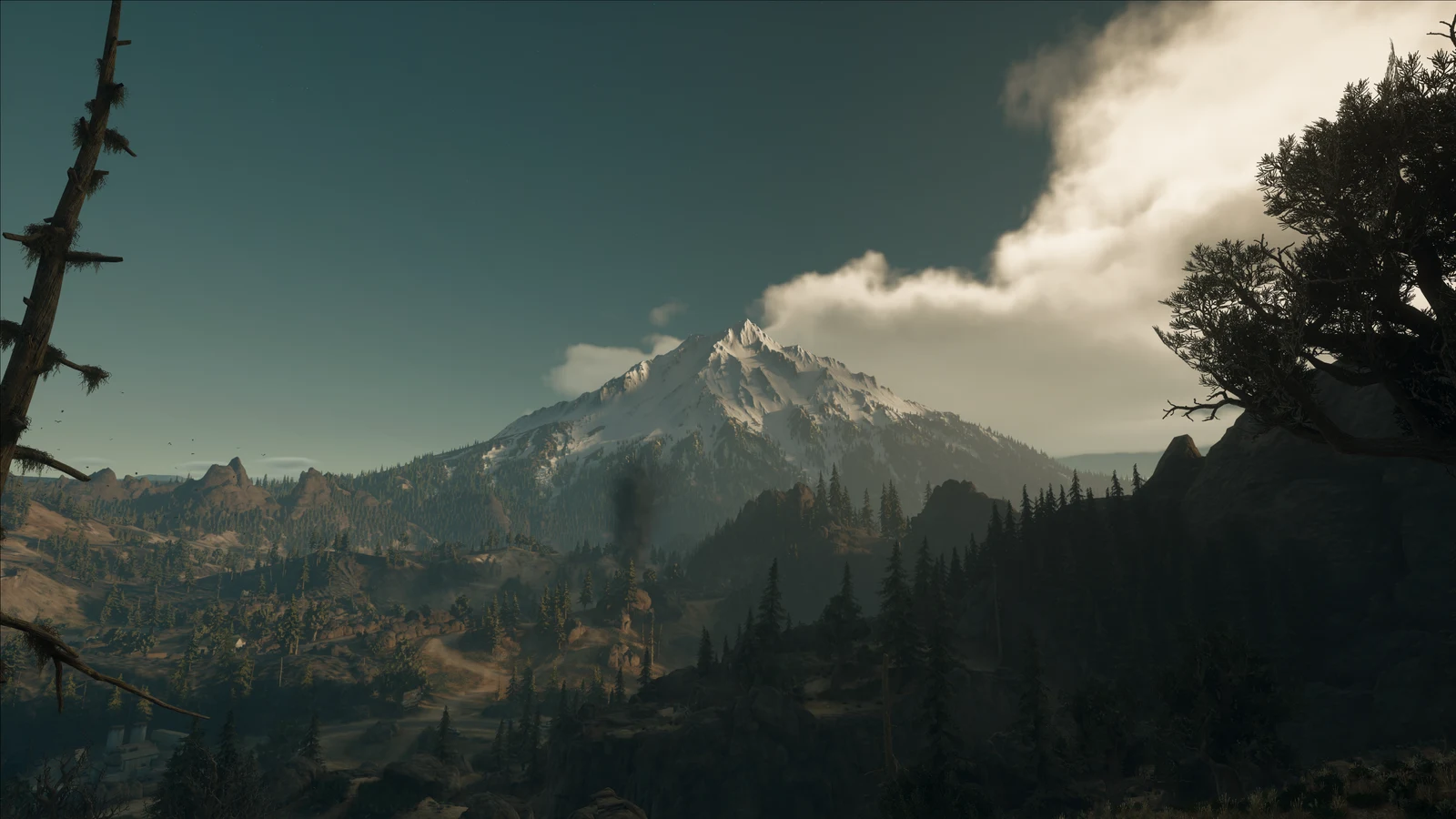 |
|  |
| Retro Example |
|
| Retro Example | 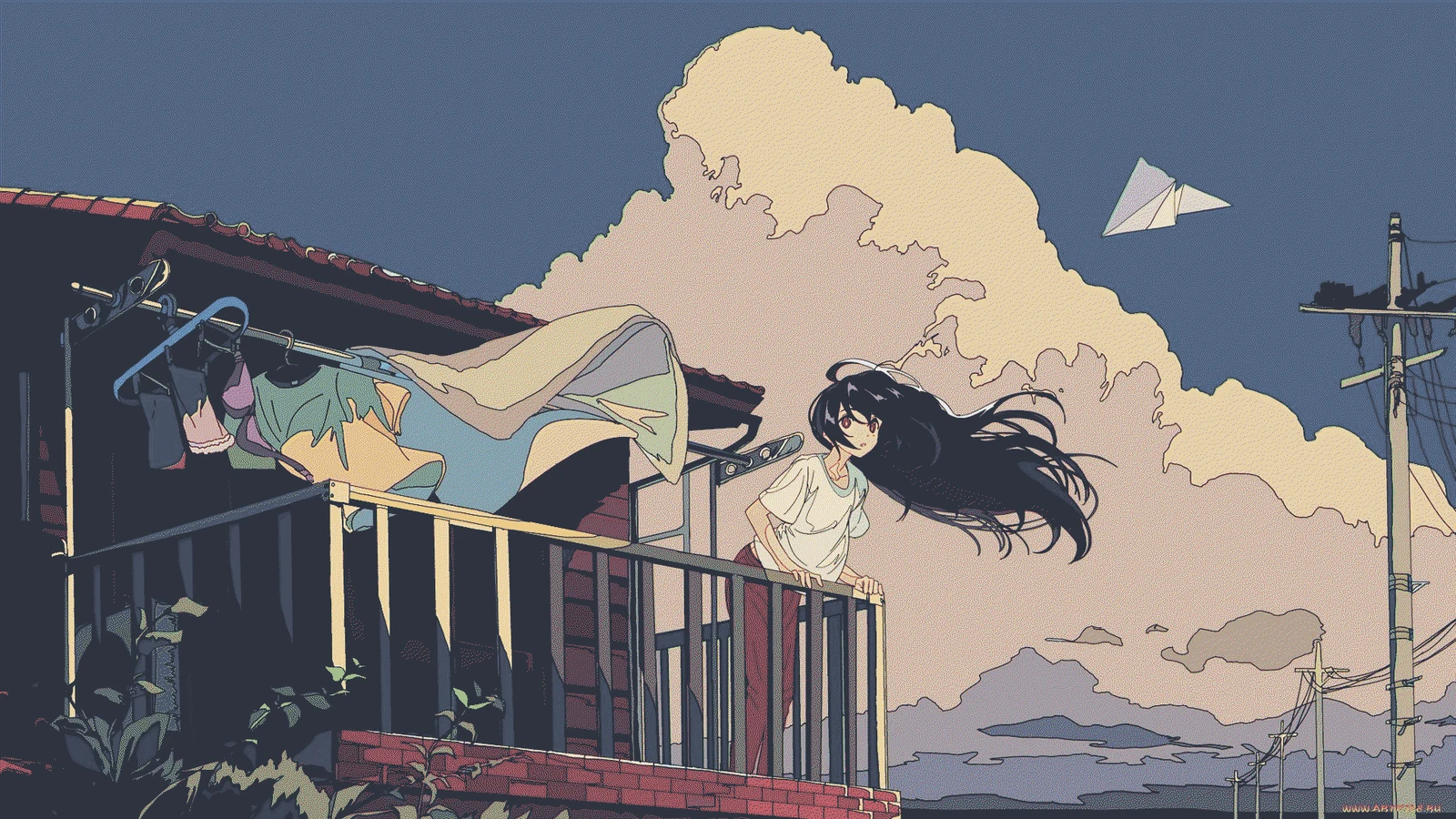 |
|  |
See the [complete v2 example gallery](examples/README.md), including the
historical examples explicitly labeled **made with Omagen v1**.
## Product documentation
| Guide | What it covers |
| --- | --- |
| [Getting started](getting-started.md) | Installation, first launch, and the shortest path to a theme. |
| [Product workflow](workflow.md) | Preview, Test live, Demo, Apply, Cancel, and Quit. |
| [Capabilities and trust](capabilities.md) | What Omagen can read, write, invoke, and preserve. |
| [Recovery and rollback](recovery.md) | Interrupted sessions, restoration, ownership, and safe removal. |
| [Examples](examples/README.md) | Curated v2 wallpaper/theme pairs and example metadata. |
| [Demo materials](demos/README.md) | Product walkthroughs and the capture plan for v2. |
| [Asset catalog](assets/README.md) | Screenshots, recordings, examples, and provenance notes. |
| [Asset checklist](ASSET-CHECKLIST.md) | Evidence still required before stable release. |
| [v2.0.0 release notes](release-notes/v2.0.0.md) | Release scope, upgrade notes, limitations, and verification status. |
For implementation contracts, contributor setup, compatibility evidence, and
maintainer release procedures, use the [developer documentation](../README.md)
and [release process](../development/release-process.md).
## Trust boundary and capabilities
Omagen is unsandboxed user-level plugin code. It can read the image and Omarchy
configuration you select, write generated themes and Omagen-owned session
state, invoke its bundled backend and explicit user-level adapters, and
interact with the current Omarchy/Hyprland session.
It does not require `sudo`, install system packages, or configure privileged
services. It does not own unrelated themes, shell configuration, backgrounds,
plugins, or user files. Read the [capabilities and trust guide](capabilities.md)
before installing if you want the complete boundary.
The marketplace preflight is a release gate and exact-commit evidence; it is
not a security certification, endorsement, or guarantee. See the developer
[security policy](../../SECURITY.md) and [release process](../development/release-process.md)
for the maintainer-level details.
|
See the [complete v2 example gallery](examples/README.md), including the
historical examples explicitly labeled **made with Omagen v1**.
## Product documentation
| Guide | What it covers |
| --- | --- |
| [Getting started](getting-started.md) | Installation, first launch, and the shortest path to a theme. |
| [Product workflow](workflow.md) | Preview, Test live, Demo, Apply, Cancel, and Quit. |
| [Capabilities and trust](capabilities.md) | What Omagen can read, write, invoke, and preserve. |
| [Recovery and rollback](recovery.md) | Interrupted sessions, restoration, ownership, and safe removal. |
| [Examples](examples/README.md) | Curated v2 wallpaper/theme pairs and example metadata. |
| [Demo materials](demos/README.md) | Product walkthroughs and the capture plan for v2. |
| [Asset catalog](assets/README.md) | Screenshots, recordings, examples, and provenance notes. |
| [Asset checklist](ASSET-CHECKLIST.md) | Evidence still required before stable release. |
| [v2.0.0 release notes](release-notes/v2.0.0.md) | Release scope, upgrade notes, limitations, and verification status. |
For implementation contracts, contributor setup, compatibility evidence, and
maintainer release procedures, use the [developer documentation](../README.md)
and [release process](../development/release-process.md).
## Trust boundary and capabilities
Omagen is unsandboxed user-level plugin code. It can read the image and Omarchy
configuration you select, write generated themes and Omagen-owned session
state, invoke its bundled backend and explicit user-level adapters, and
interact with the current Omarchy/Hyprland session.
It does not require `sudo`, install system packages, or configure privileged
services. It does not own unrelated themes, shell configuration, backgrounds,
plugins, or user files. Read the [capabilities and trust guide](capabilities.md)
before installing if you want the complete boundary.
The marketplace preflight is a release gate and exact-commit evidence; it is
not a security certification, endorsement, or guarantee. See the developer
[security policy](../../SECURITY.md) and [release process](../development/release-process.md)
for the maintainer-level details.