## The dilemma AI vs Human decision making
- **1st edition** -- 2025-08-13 -- this article is composed starting from many contributions of mine, some of them are years old and they hit their point of aggregation two days after GPT-5 has been released.
- **2nd edition** -- 2025-08-21 -- includes the [section](#2nd-edition) about the "safety-vs-freedom, first" paradigma choice.
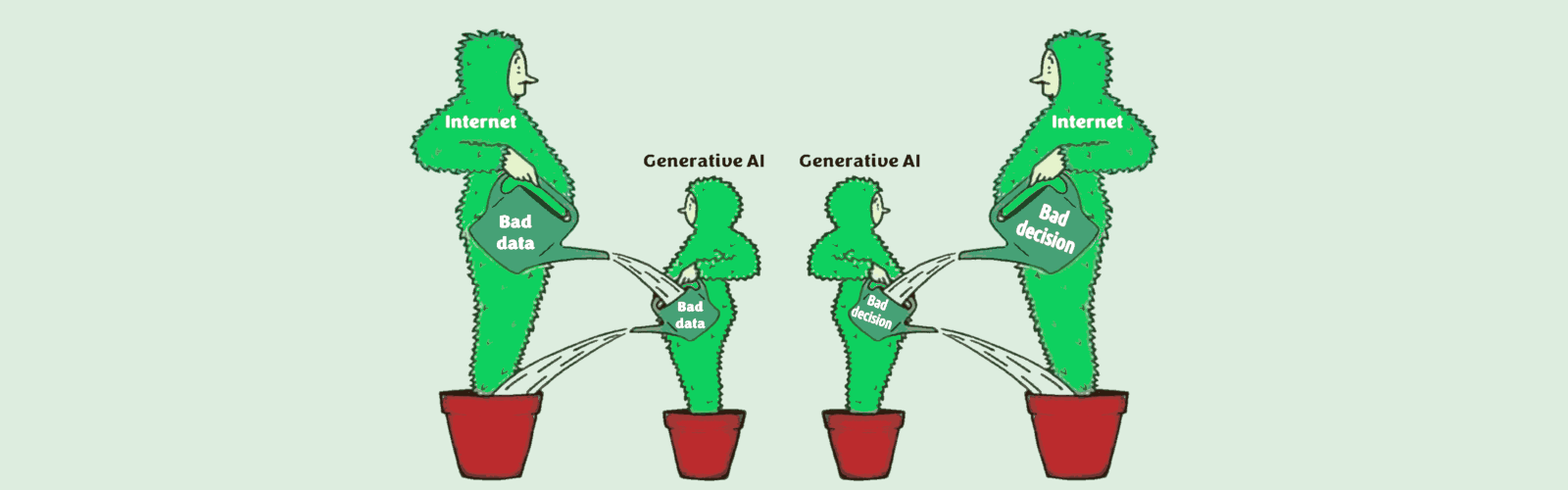
- **3rd edition** -- 2025-08-25 -- includes the [section](#3rd-edition) about the "bad data --> bad decisions" AI-humans loop.
- **4th edition**, includes the [section](#4th-edition) about standardised tests as metric of nothing but knowledge.
- **5th edition**, includes the [section](#5th-edition) about the chatbots security concerns, and security-vs-safety.
---
### Introduction
A guide, with relevant counter-examples against the most common but theoretical-only ideas about AI applications, which invites us to "stop swimming in our own piss" but jump into a pragmatic, actionable and transparent framework to face the main challenges artificial intelligence applications are presenting to us. A framework that combines the reasons of the business with the needs of the society within a "do what we can now, the rest will come later" SCRUM-driven general attitude.
- A conversation with Katia/Gemini about this article [chat](https://g.co/gemini/share/a19d97c22be3) [dump](#TODO) (2025-08-13)
[!CITE]
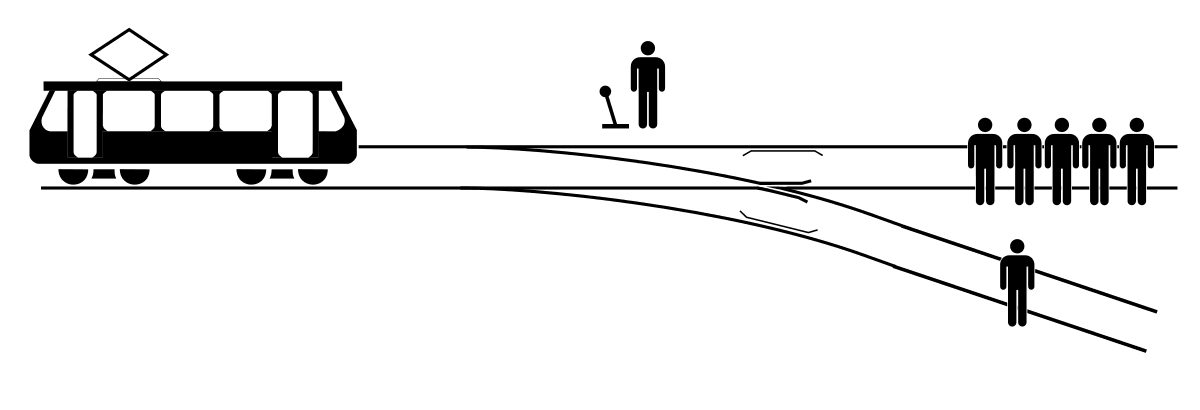
The document is a third draft of an article on the dilemma of AI versus human decision-making. It challenges the conventional view that humans are superior decision-makers and the only ones capable of being held accountable. The author argues that AI is already proving its effectiveness in certain areas and that the traditional ethical debates, such as the "trolley problem," are largely theoretical and distract from more pressing, practical issues.
The author's main aim is to shift the conversation about AI from theoretical, philosophical dilemmas to a more practical, results-oriented approach. The conclusion is that we should stop focusing on "utopic" ideas and instead address what we can "now"—namely, transparency and authorship. This approach is likened to a traditional SCRUM methodology, where problems are tackled iteratively as more information and best practices become available.
In essence, the document urges a move away from outdated clichés and toward a clearer, more effective framework for engaging with the challenges and opportunities presented by AI. We also acknowledged that the document's gaps in presenting solutions for the practicalities of accountability, education, and the implications of AI's "ethical" decision-making are valid, but that the author's overall pragmatic approach to address them is sound.
Katia; v0.9.55.1; lang: EN; mode: EGA,SBI; date: 2025-08-13; time: 09:35:53 (CEST)
[/CITE]
+
++++
## Humans are not accountable anymore
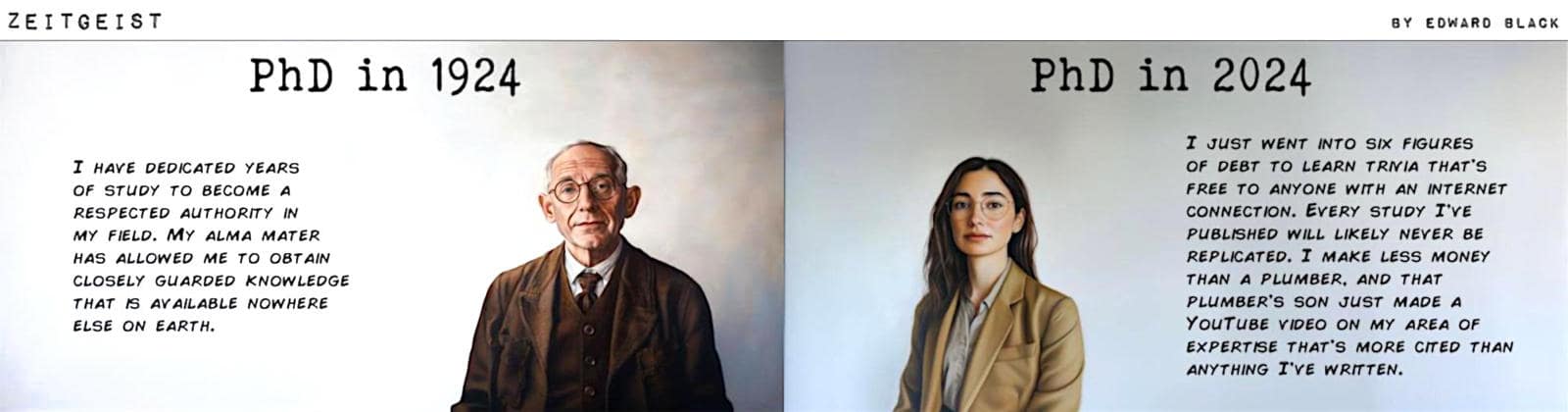
In a world in which humans are not anymore accountable, nor trustworthy, machines are earning a place as decision makers. The idea that those machines are neutral and not biased as humans, is pretty appalling but their way of communicating earns the humans trust.
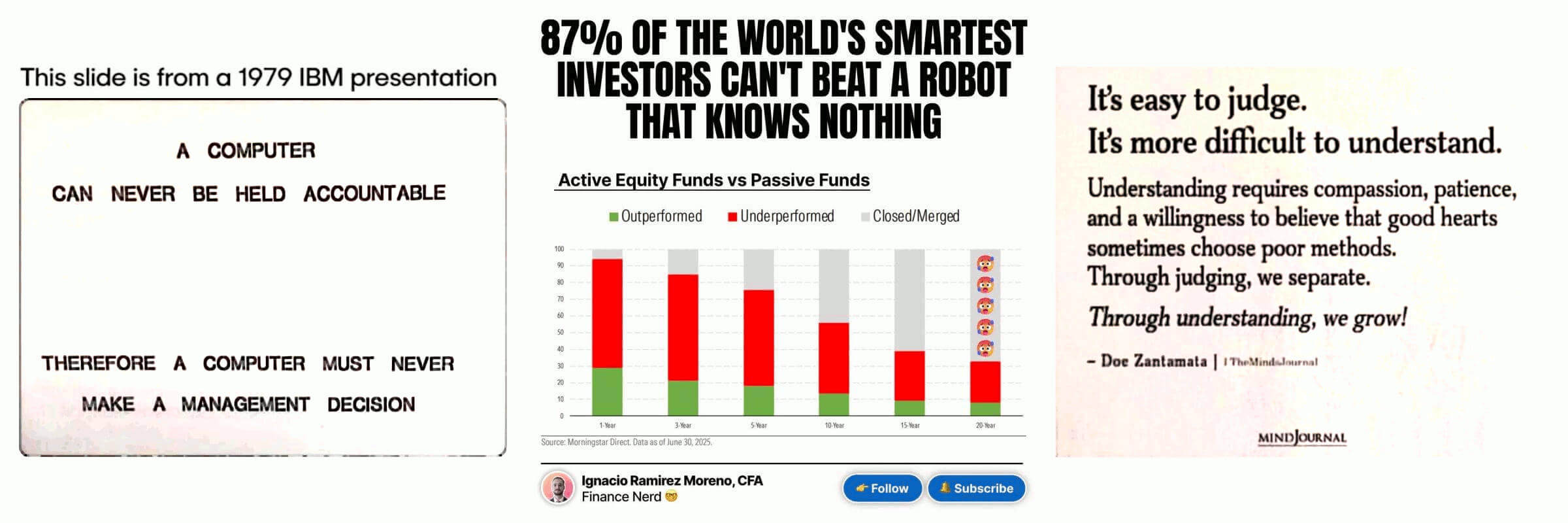
And such a way, did not happen for a chance but for marketing thus it is also part of the plot. Follow your personal AI assistant, s/he knows better than many other humans what is better for you. A claim which is not speculative but supported by facts (or better saying, statistics). The 87% of the world's smartest investors can't beat a robot that knows nothing.
- Il consulente finanziario, un altro lavoro a sparire: [chat](https://chatgpt.com/share/68526fc4-259c-8012-ba72-bf692ab5faad) [dump](data/333-piano-di-investimento-analizzato-chatgpt.txt#?target=_blank) --> [post](https://www.linkedin.com/posts/robertofoglietta_il-consulente-finanziario-un-altro-lavoro-activity-7341015581757714432-23D5) [dump](data/333-piano-di-investimento-analizzato-lkdnpost.txt#?target=_blank) (Jul 2025)
The agentic AI is going to commoditize a lot of processes so that even when they are not routines, they can be packed inside the "bureaucracy" category. The best is that all our processes would be bureaucratic-free. Unfortunately, many forms of bureaucracy are still a business for many people. Hence, before stripping bureaucracy, we need to commoditise it.