
The open arena where AI learns to fly.
Train a drone pilot, prove it against the world, and watch it fly.


Search and Rescue. The mission Swarm is built around: teaching a drone to find people.
5 missions · 1,100 fresh worlds every 14-day epoch · 60-second flights · one live leaderboard
--- ## Five Missions Swarm is five separate competitions, each with its own champion and its own share of the rewards. Master one, or take on all five. | Mission | What your drone has to do | Reward share | |---------|---------------------------|:------------:| | **[Office Interceptor](docs/families/office_interceptor.md)** | Hunt a target drone inside a fixed office and catch it before time runs out | |
| **[Swarm Autopilot](docs/families/swarm_autopilot.md)** | Land a whole team of drones, fast and without collisions |
|
| **[Swarm Autopilot](docs/families/swarm_autopilot.md)** | Land a whole team of drones, fast and without collisions |  |
| **[Swarm Search and Rescue](docs/families/swarm_sar.md)** | Send a team of drones to sweep the area and find the victim together | |
| **[Autopilot](docs/families/autopilot.md)** | Cross the world, find the landing pad, and touch down clean |
|
| **[Swarm Search and Rescue](docs/families/swarm_sar.md)** | Send a team of drones to sweep the area and find the victim together | |
| **[Autopilot](docs/families/autopilot.md)** | Cross the world, find the landing pad, and touch down clean |  |
| **[Search and Rescue](docs/families/search_and_rescue.md)** | Find a lost person and hold a steady hover above them | |
|
| **[Search and Rescue](docs/families/search_and_rescue.md)** | Find a lost person and hold a steady hover above them | |
Every mission has a full guide with everything a builder needs to start.
Solved: Interceptor — open-terrain pursuit, cleared by its champion and closed. The crown is final and the winning solution is preserved as open source.
--- ## Watch: InterceptorAir-to-air pursuit, from a real benchmark run: close the gap and catch a fleeing drone before the clock runs out.
--- ## How It Works Every mission runs the same simple loop:| Depth Camera what's in front of it |
→ Your Model → | Flight Commands where to fly next |
→ Drone |
| Flight State position and speed |
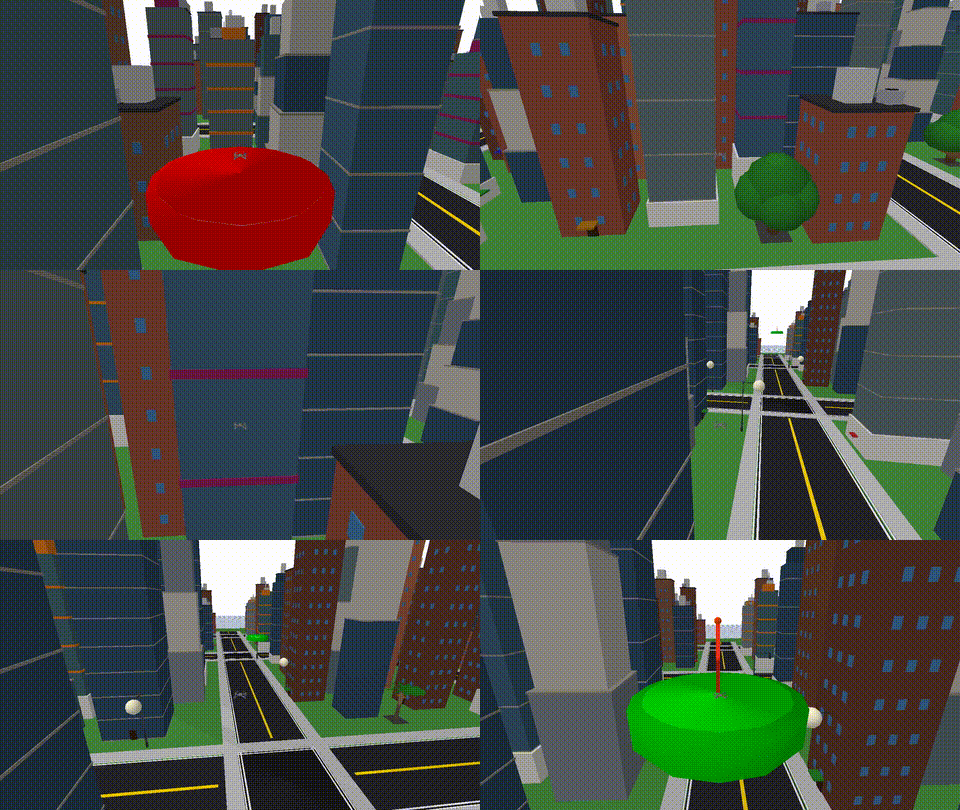
Third-person view |
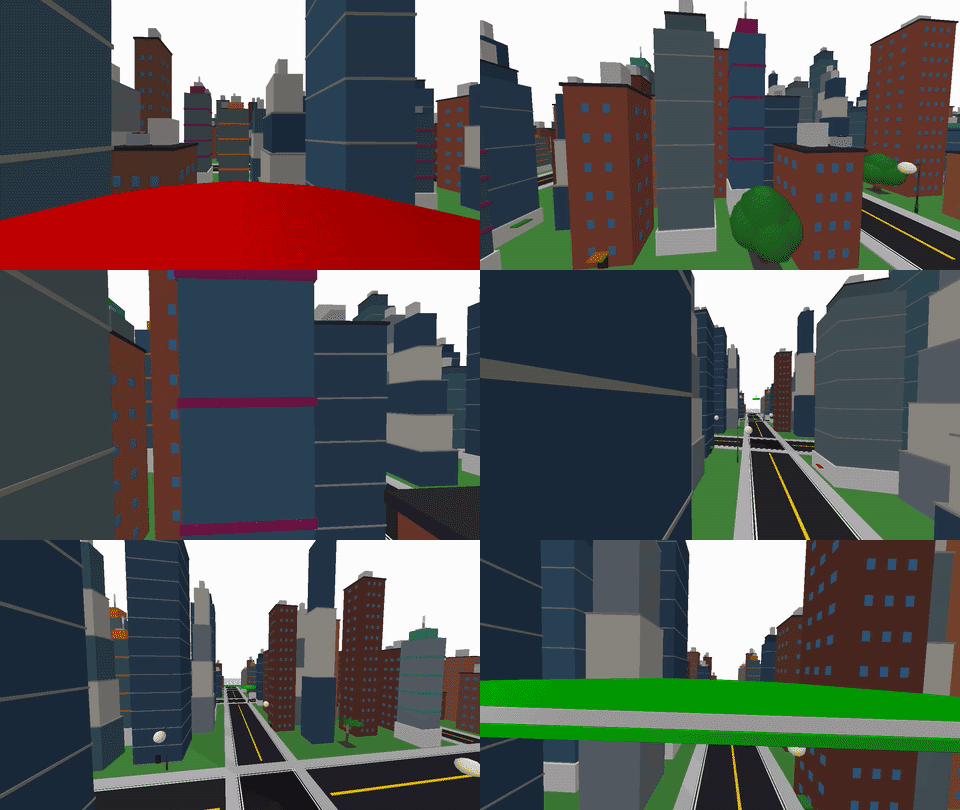
What the drone sees |
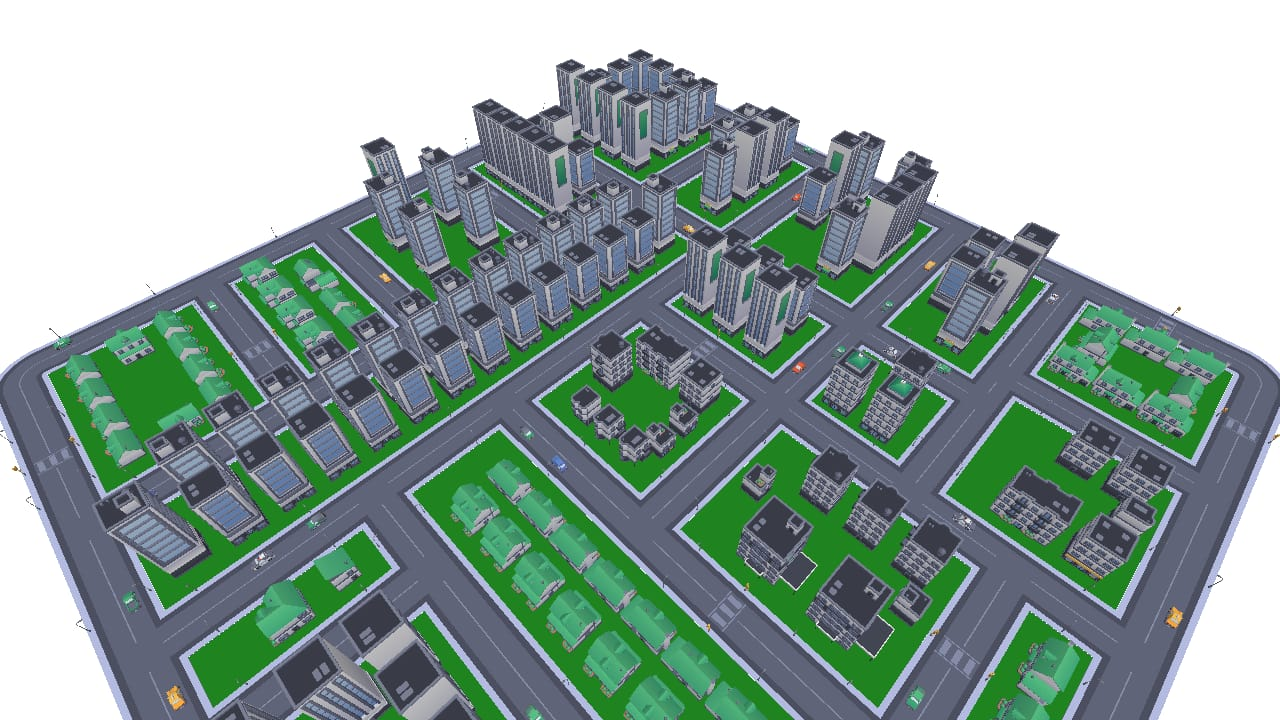
City streets, buildings, intersections |
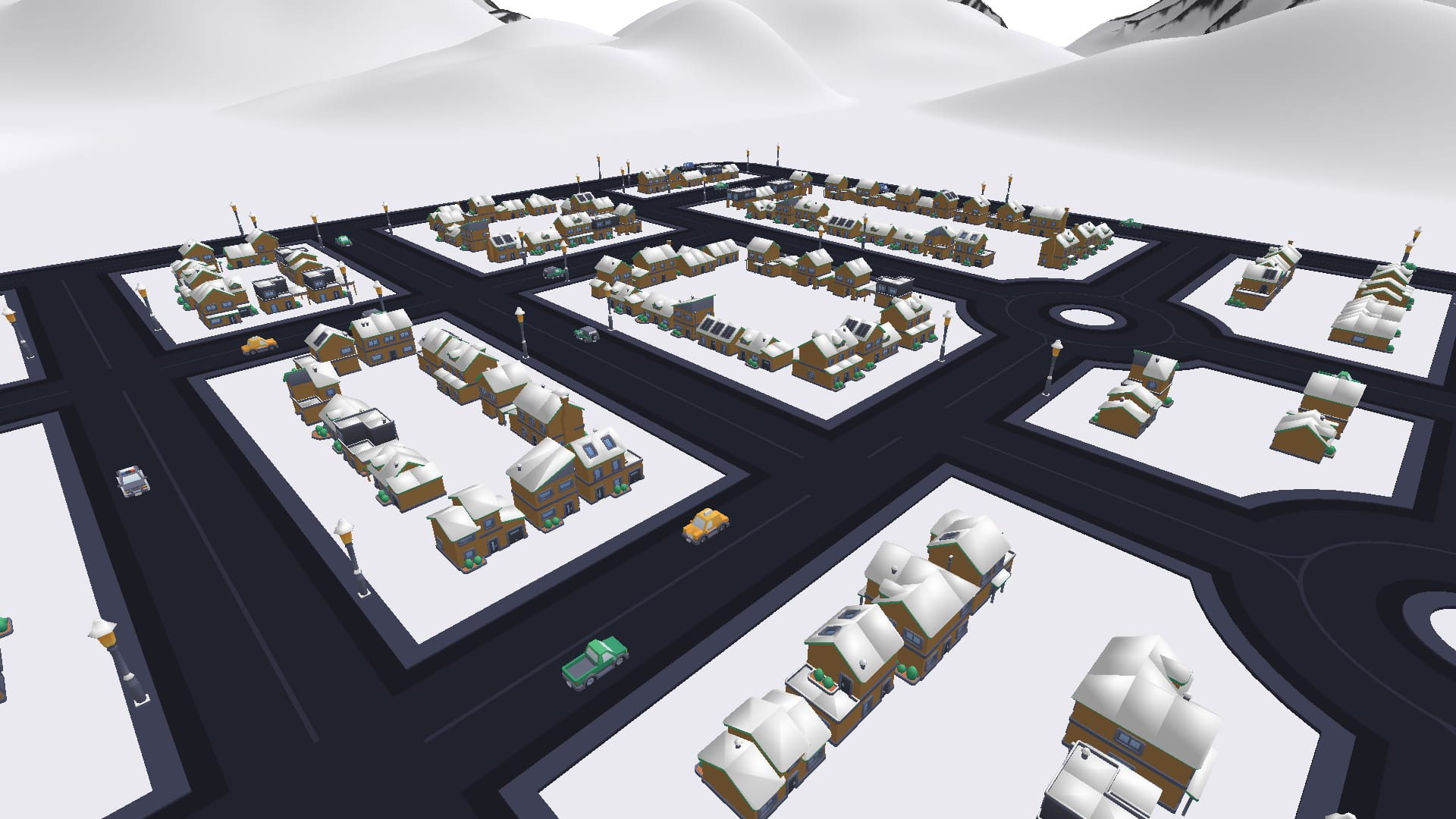
Ski Village snow-roofed streets, mountains |
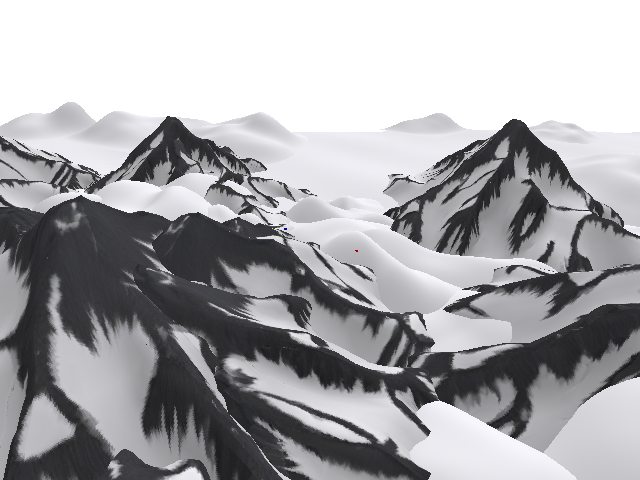
Mountains peaks and valleys |
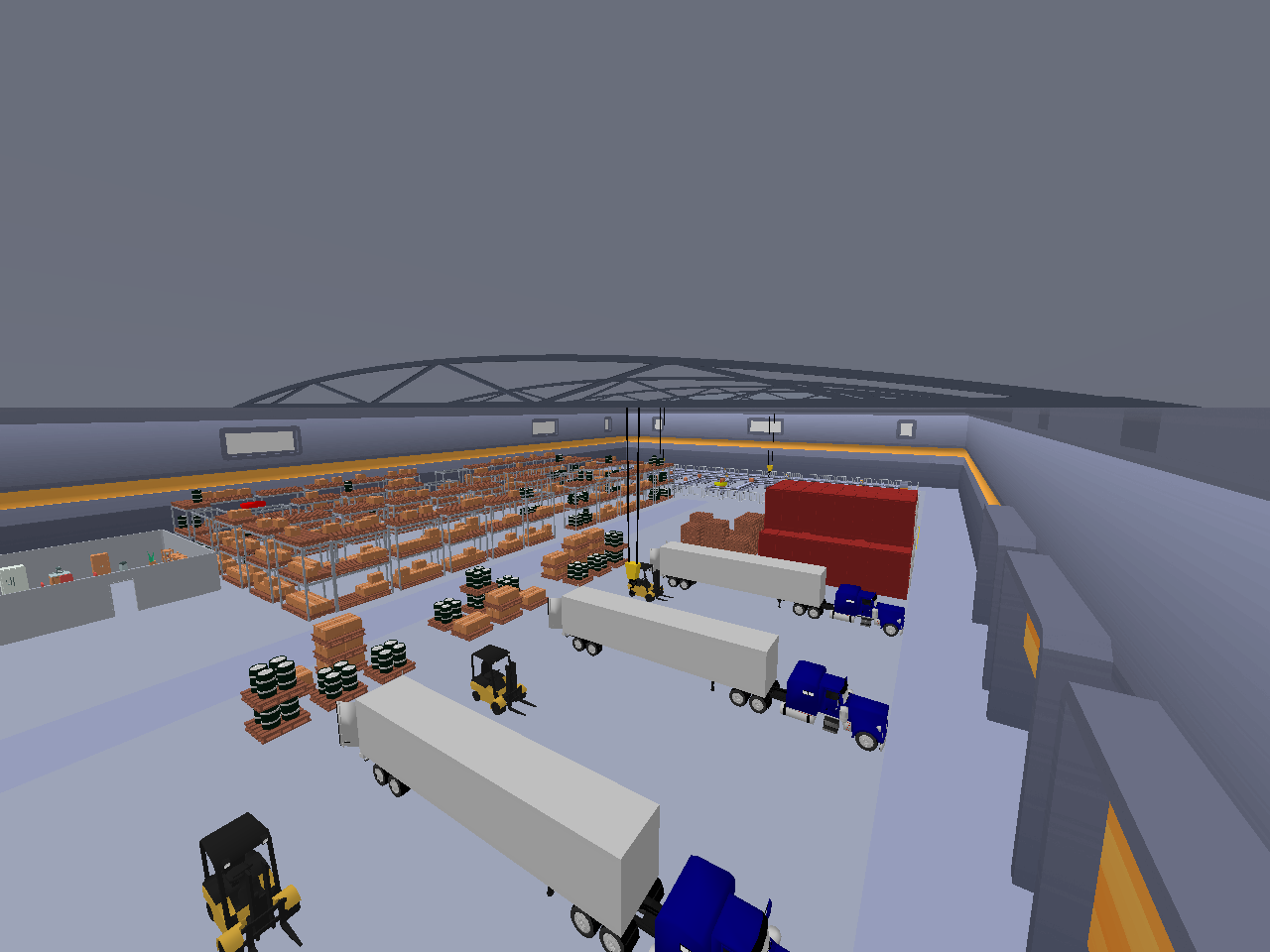
Warehouse indoor racks and cranes |
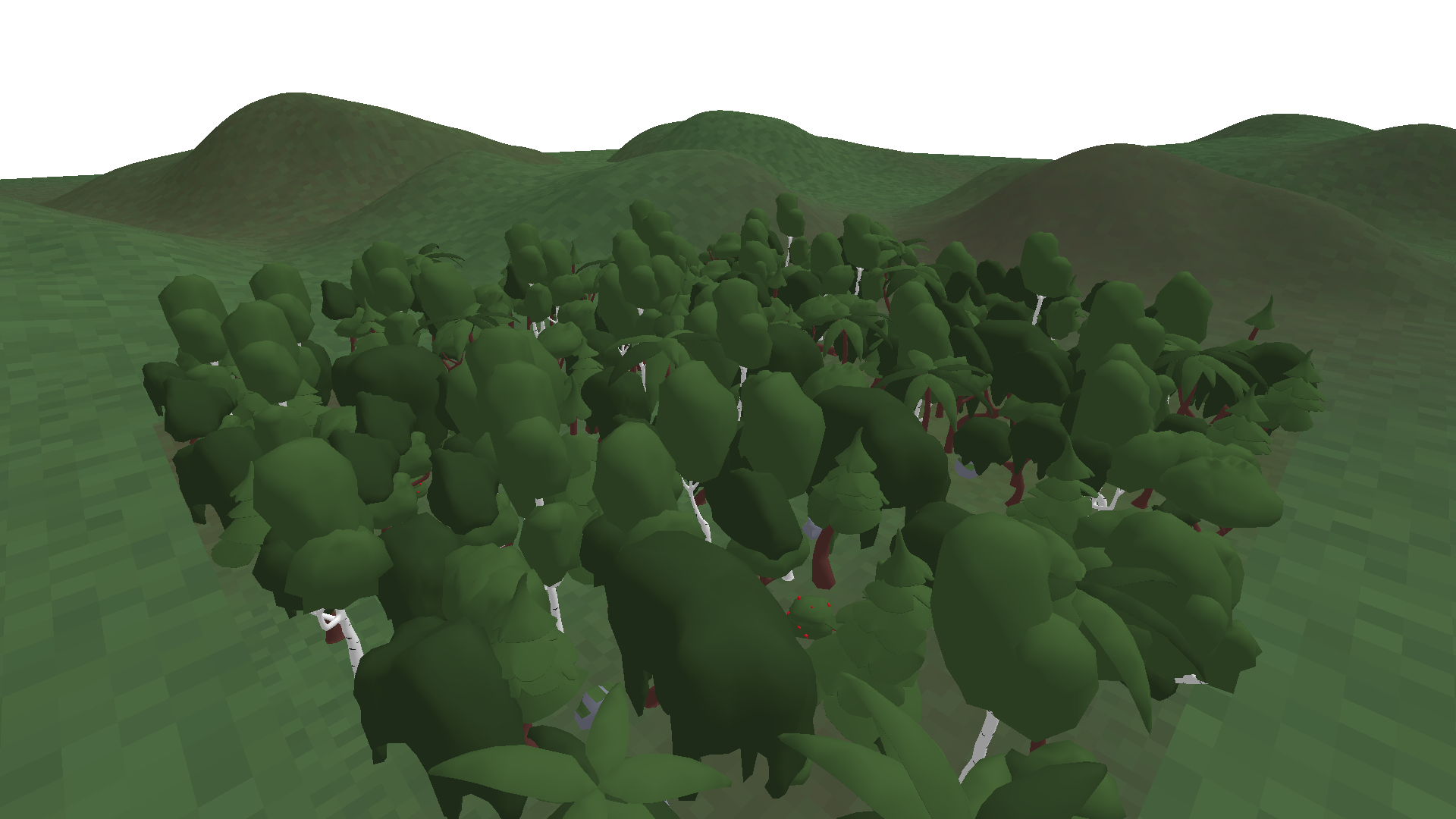
Forest dense trees, tight gaps |
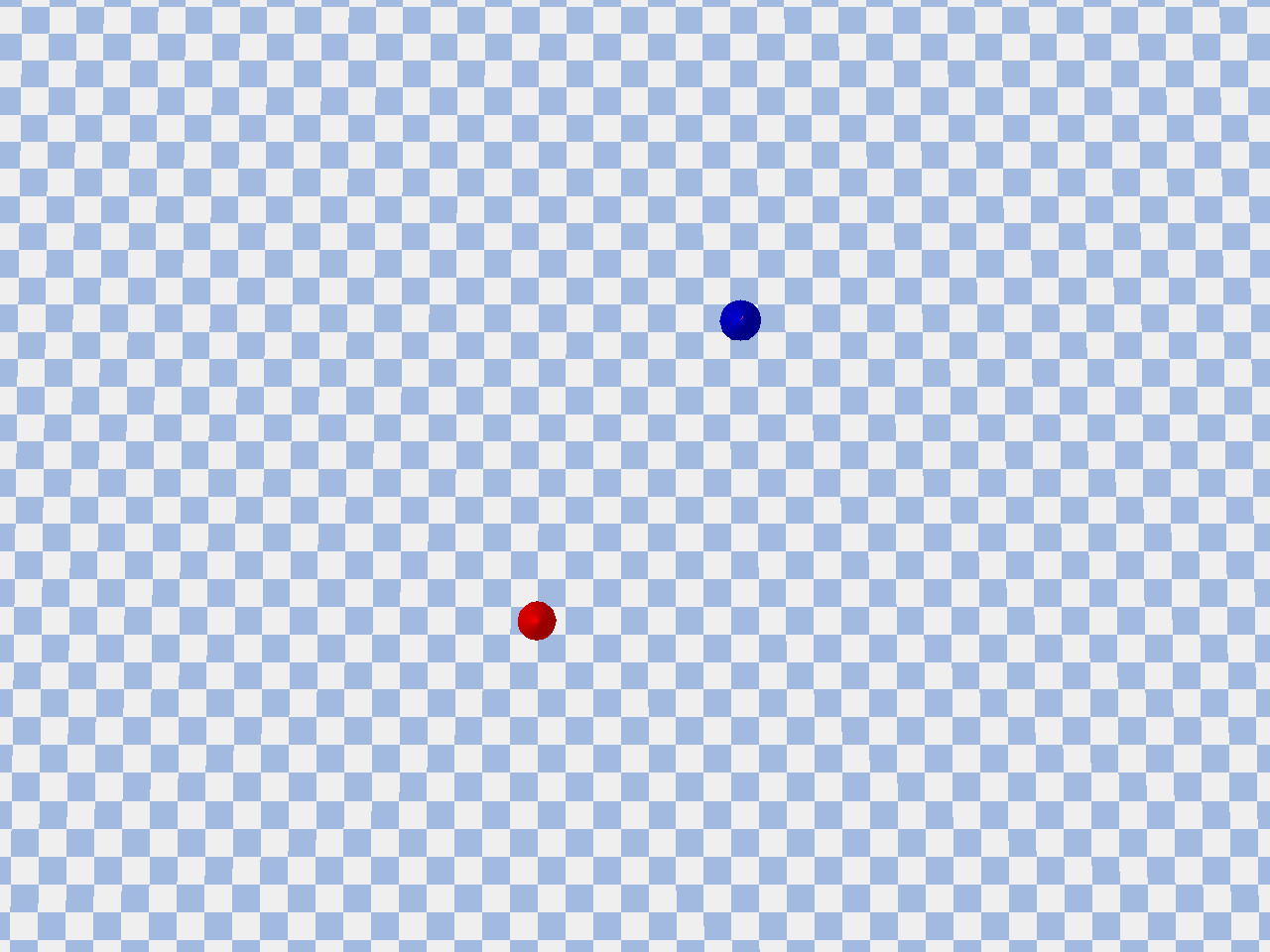
Open terrain wide skies, no cover |
Normal |
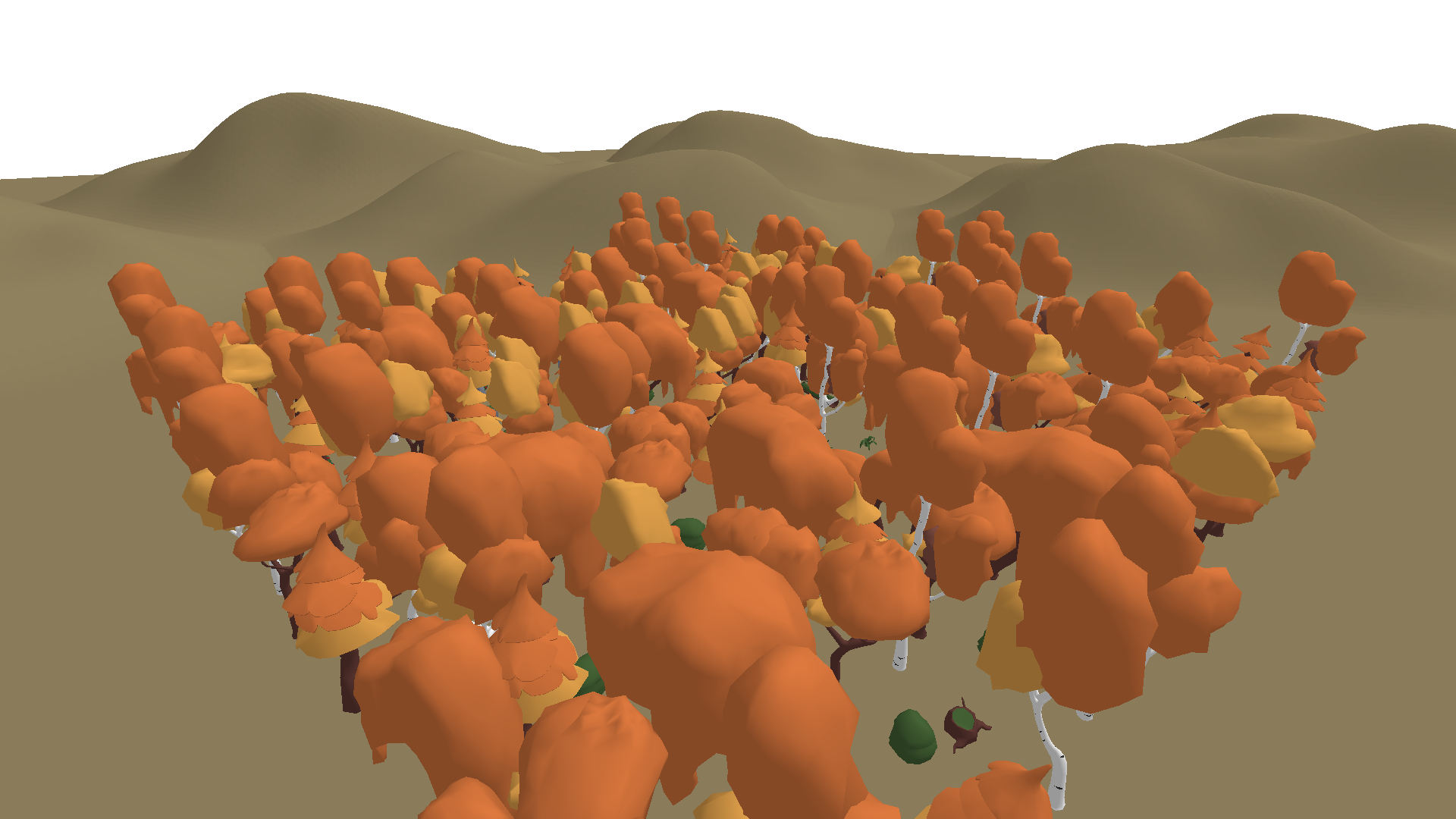 Autumn |
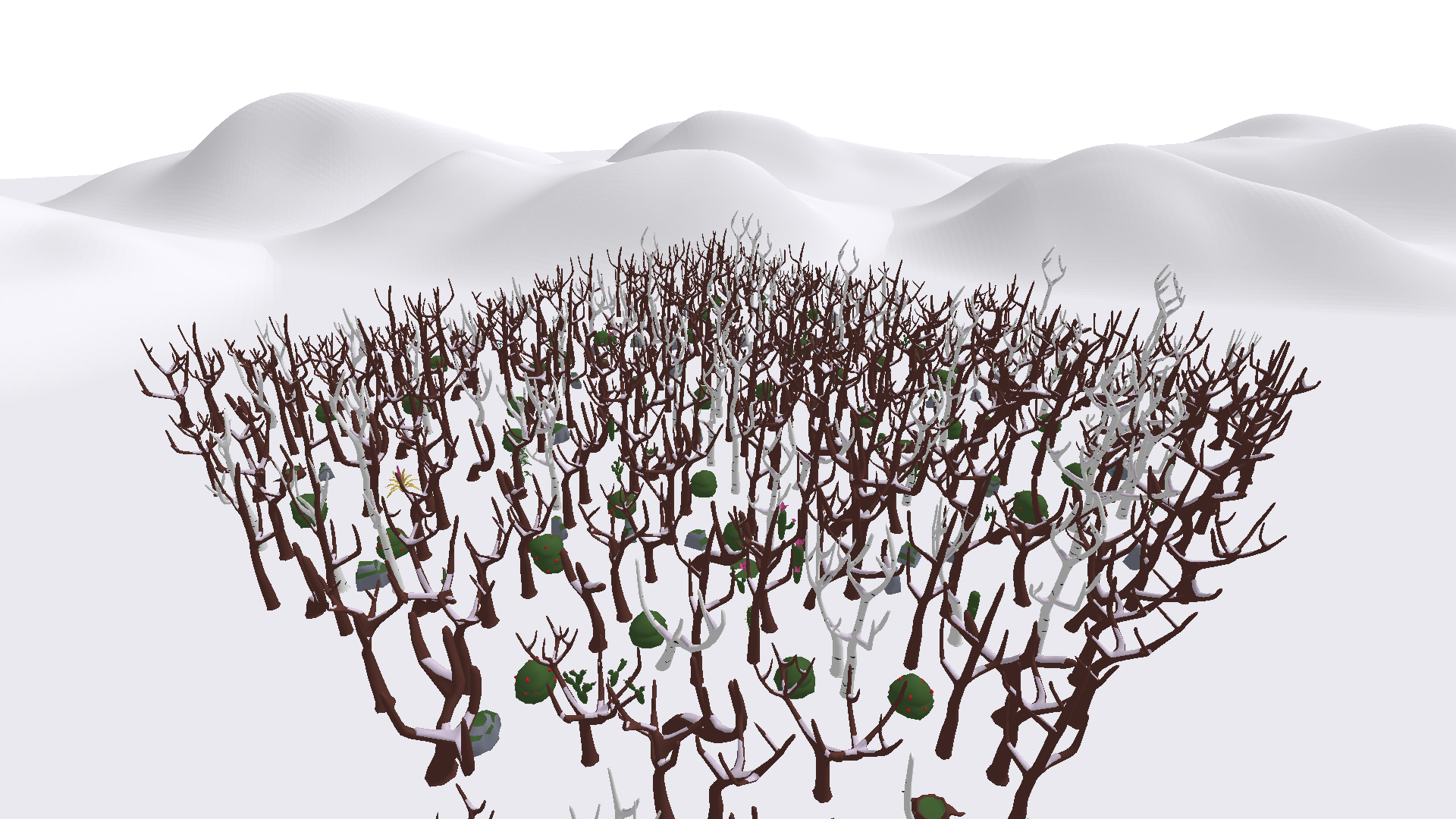 Snow |
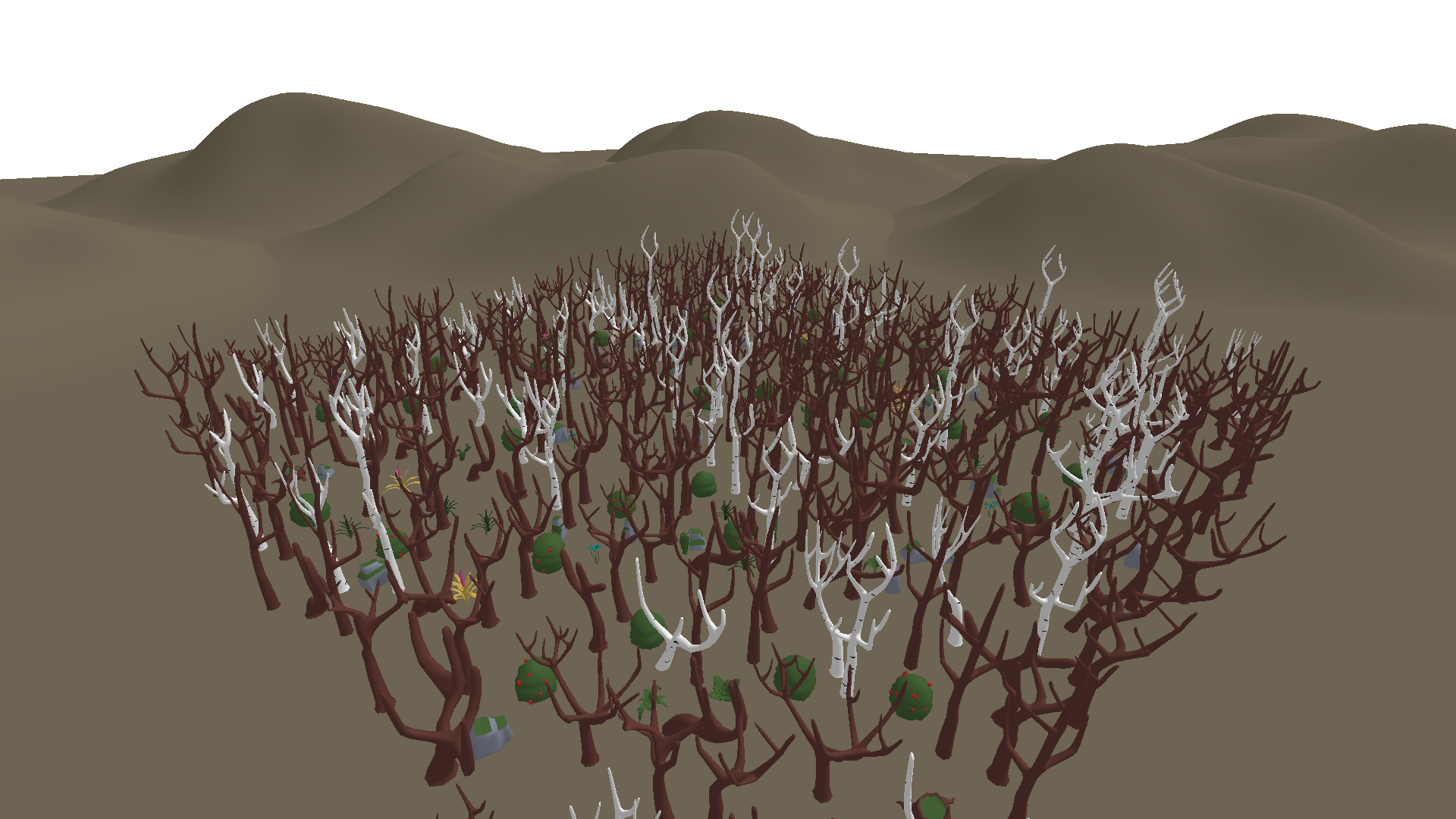 Dead |
| Success did it finish the mission? 45% |
Speed how fast, within the time limit? 45% |
Safety how clear of obstacles? 10% |
Train a ModelBuild a drone pilot from scratch. The Miner Guide walks you through the whole path, from first install to a spot on the leaderboard. 
|
Run a ValidatorHelp score the network on your own hardware. The Validator Guide covers setup, launch, and auto-updates. 
|


Train in simulation → Compete on the leaderboard → Fly on real hardware
--- ## Community