
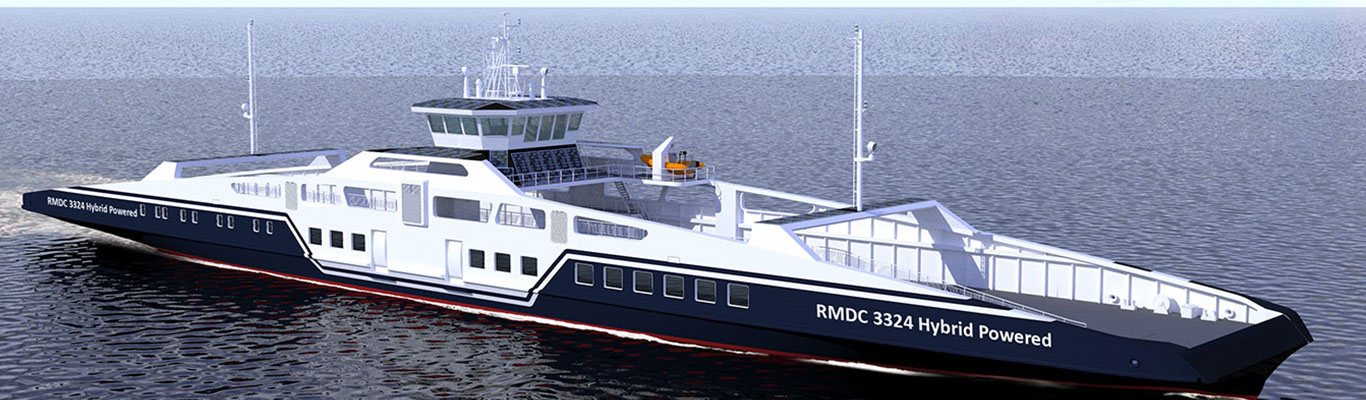


XeroPoint Hybrid Marine Propulsion
Contact us for improved, reliable and predictable performance in your hybrid marine propulsion projects.
Overview
The Xeropoint hybrid marine propulsion system integrates electrical and mechanical devices onboard a vessel to provide optimal modes of operation for power and propulsion. Using an energy management system, it strives to eliminate the unnecessary idling of diesel engines by determining the most efficient configuration of the electrical and mechanical devices onboard at any given time. Applicable to a wide range of vessels, the hybrid system presents a clean and simple solution that is customizable to a vessel’s power and propulsion requirements.
The Xeropoint hybrid marine propulsion system greatly improves a vessel’s efficiency by using the following modes of operation:
- Strictly Electric - Power is provided by electrical storage (i.e. batteries)
- Diesel-Electric - Power is provided by auxiliary engines
- Mechanical - Power is provided directly by the main engines
- Mechanical-Electric - Power is provided by the main engines and the motor-generator
With only the diesel engine providing power, the electrical motor acts as a shaft-driven generator providing power to meet the hotel loads. Auxiliary generators and electrical storage provide power through the electric motor. Vessels that have a duty cycle profile with extended periods of low to medium power requirements are great candidates for the hybrid system as diesel engines are least efficient at these load levels.
This system is highly scalable and allows for customization on a wide range of vessels, including:
- Workboats
- Platform Supply Vessels
- Offshore Supply Vessels
- Research and Scientific Vessels
- Fishing Boats
- Leisure Crafts
- Eco-tourism Vessels, such as whale watching boats
The XeroPoint hybrid marine propulsion system is applicable to both new builds and retrofits. After determining vessel’s duty cycle and the goals of both the owner and operators of the vessel, we consider the entire vessel operation as a complex, integrated system.
The hybrid marine propulsion design team focuses on vessel specific requirements to eliminate system efficiencies and deliver significant fuel and emission savings. AKA’s hybrid marine propulsion team will perform an operational profile analysis of the vessel to determine if adopting hybrid marine propulsion technology is a viable solution, then prepare a complete analysis and business case prior to any commitment to capital spending.
Features
- The Xeropoint hybrid marine propulsion system configures the most effective power and propulsion options to meet the needs of the vessel’s operation. The multiple system configurations offer alternate sources of power to the vessel.
- The Xeropoint hybrid marine propulsion system shares propulsion requirements between diesel and electrical sources, thereby eliminating the unnecessary idling of the diesel main engines, increasing efficiency and reducing emissions. Incorporating electrical storage in the form of batteries allows the hybrid system to meet demands without running the diesel engines.
- The hybrid marine propulsion system configures the power plant to minimize the running of engines without compromising power and propulsion performance, which increases time between engine overhauls and reduces oil and filter changes.
- Flexible design allows the hybrid marine propulsion system to supply the propulsion demands to the shaft line through multiple system configurations. If a mechanical or electrical failure occurs, the vessel has alternative methods for propulsion and power.
- Duty cycle analysis involves finding the most frequent load points, or “Xero” Points, in a vessel’s operational profile and designing specific power plant configurations around these points. The conventional propulsion design approach has been to optimize around a single load point at or near maximum power.
- The Energy Management System (EMS) monitors the hybrid power plant functionality and captures a range of system parameters on an ongoing basis. Pre-programmed email recipients are instantaneously notified of system malfunction or signs of degradation. In the case of an “event”, an alarm is initiated and the system saves the high-resolution data from the 2 minutes prior to the event and the 30 seconds after the event.
- Remote assistance and troubleshooting will solve the majority of events onboard, but if onsite assistance is required AKA has a network of resources worldwide to respond to requests in a timely and efficient manner.
System Engineering and integration